Chornobyl at 40: Settlers, wild horses, drones, contamination
A radiation survivor and expert, an elderly returnee, and a wildlife researcher paint a picture of life 40 years after the worst nuclear disaster.

Chornobyl Exclusion Zone, Ukraine - It’s a freezing January morning, and the sun is glistening across a placid, snowy, forested landscape. But the calm is deceptive.
An air raid siren suddenly blares across the crisp winter air.
Two soldiers scour the skies, hands firmly gripping anti-aircraft guns mounted on pick-up trucks parked on a small, dilapidated bridge on a tributary of the Pripyat River.
Danger is all around, both in the surrounding land, which still carries the legacy of the 1986 Chornobyl nuclear disaster, with pockets of intense radioactive contamination, and above, where Russian drones and missiles launched from just across the border in Belarus, a short distance to the north, regularly pass overhead.
The area is known as the Chornobyl Exclusion Zone (CEZ), a restricted area of approximately 30km (19 miles) in diameter, comparable in size to Luxembourg, established to contain the spread of contamination.
Since Russia launched its full-scale invasion of Ukraine on February 24, 2022, briefly occupying the CEZ and the surrounding area, large swaths of it have become militarised, adding another layer of restriction to an already tightly controlled and hazardous environment.
Yet despite the CEZ’s many dangers, four decades on from the Chornobyl disaster, small communities of scientists, elderly returnees and soldiers have carved out lives among its abandoned buildings, while wildlife thrives in the surrounding forests.
The Chornobyl disaster
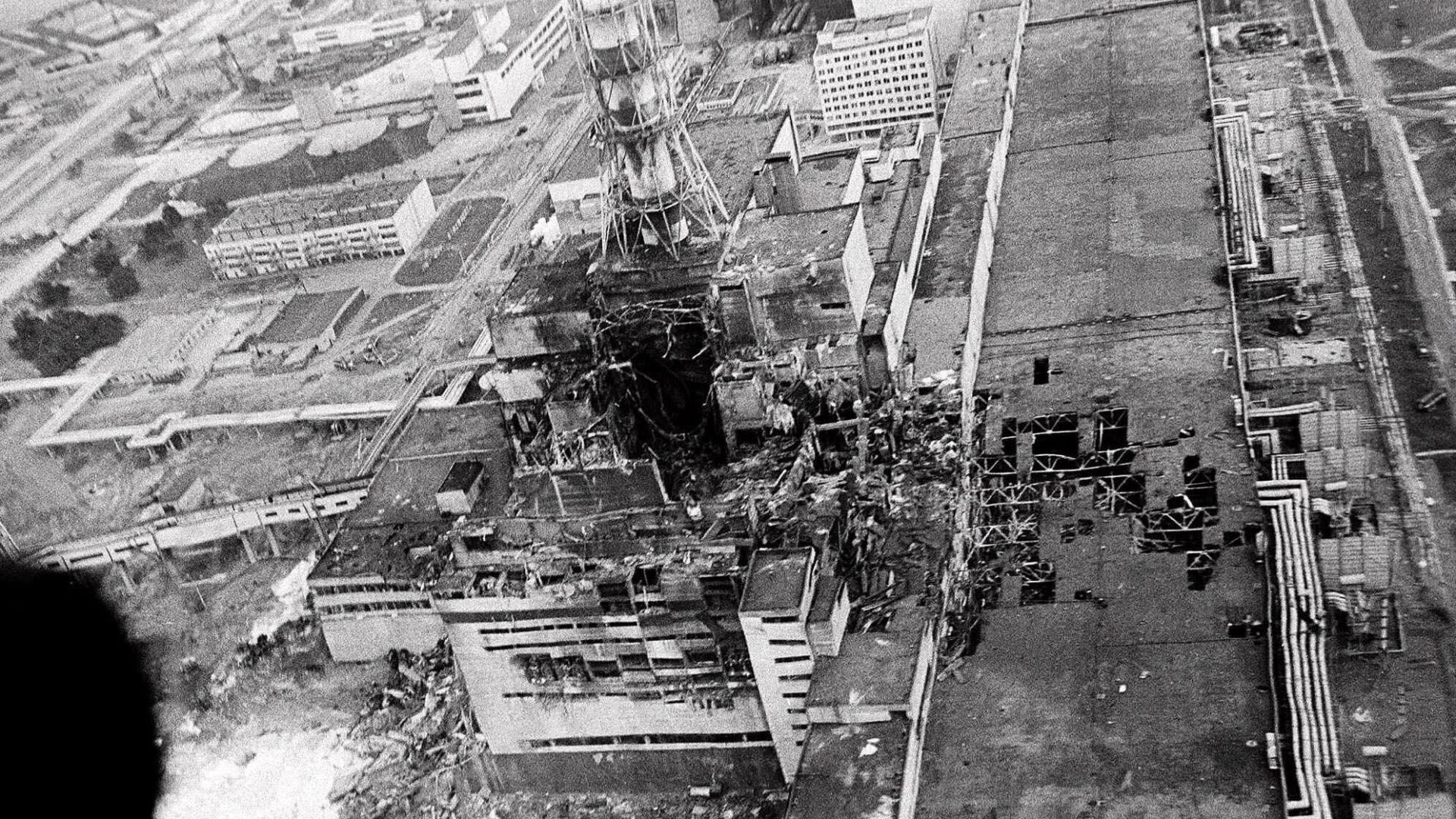
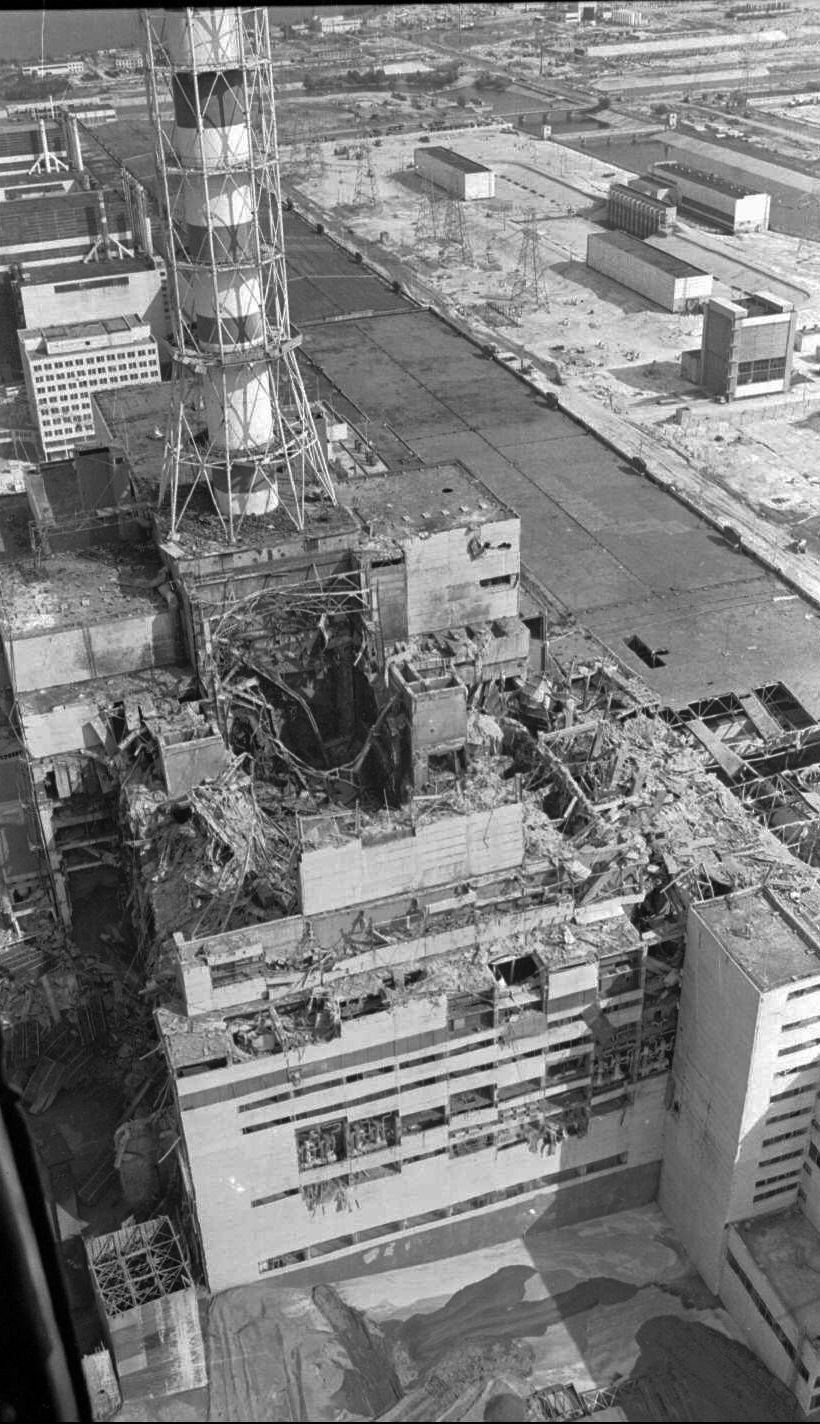
In the early hours of April 26, 1986, engineers and operators at the Chornobyl Nuclear Power Plant (ChNPP) were in the final phase of a late-night safety test on Unit 4, a Soviet-designed nuclear reactor.
The test simulated a power outage to see whether a turbine could briefly supply electricity until backup generators kicked in.
However, flaws in the reactor’s design, combined with operator errors in the control room, triggered a violent power surge that tore Unit 4 apart, blowing the reactor open and scattering radioactive debris into the night air.
For two days after the explosion, Soviet authorities restricted information about the fallout, but on April 28, after elevated radiation levels were detected by monitoring equipment at a nuclear facility in Stockholm, Sweden, about 1,200 km (750 miles) away, officials finally acknowledged that a serious nuclear accident had occurred.
Amid the subsequent widescale evacuations, the CEZ was established.
After the dissolution of the Soviet Union in 1991, Ukraine, formerly one of its republics, gained independence, took control of the zone, and has continued to keep it sealed off from public access.
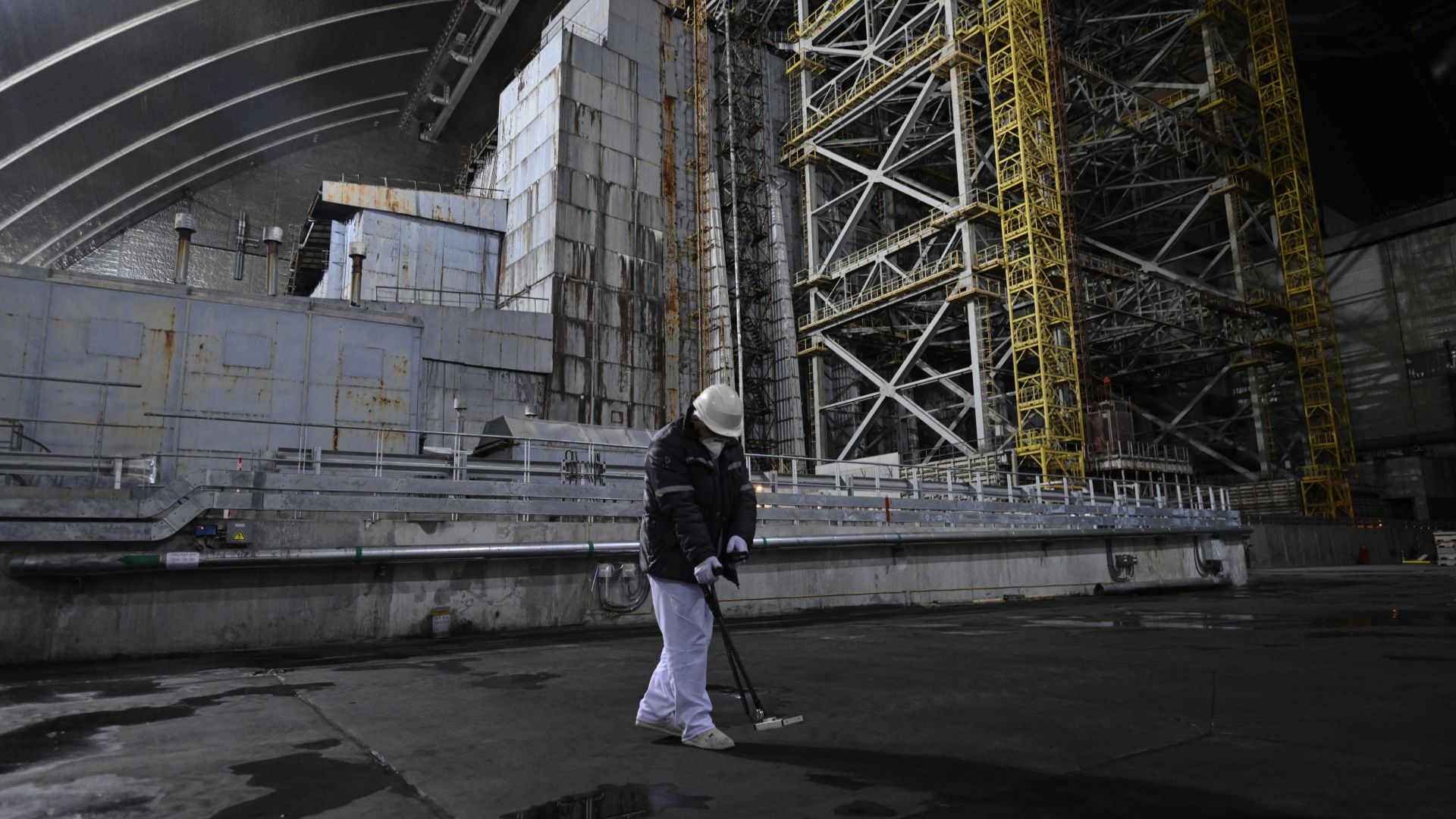
At its centre, the damaged Unit 4 reactor remains enclosed beneath the New Safe Confinement (NSC), a hulking steel shelter built to contain radioactive material.
Russia briefly occupied the CEZ soon after launching the February 22 invasion, with reports of soldiers digging trenches in contaminated soil before retreating at the end of March 2022.
Ukraine has since accused Russia of firing drones into the zone, even hitting and damaging the NSC.
Pripyat - a young city once full of opportunity
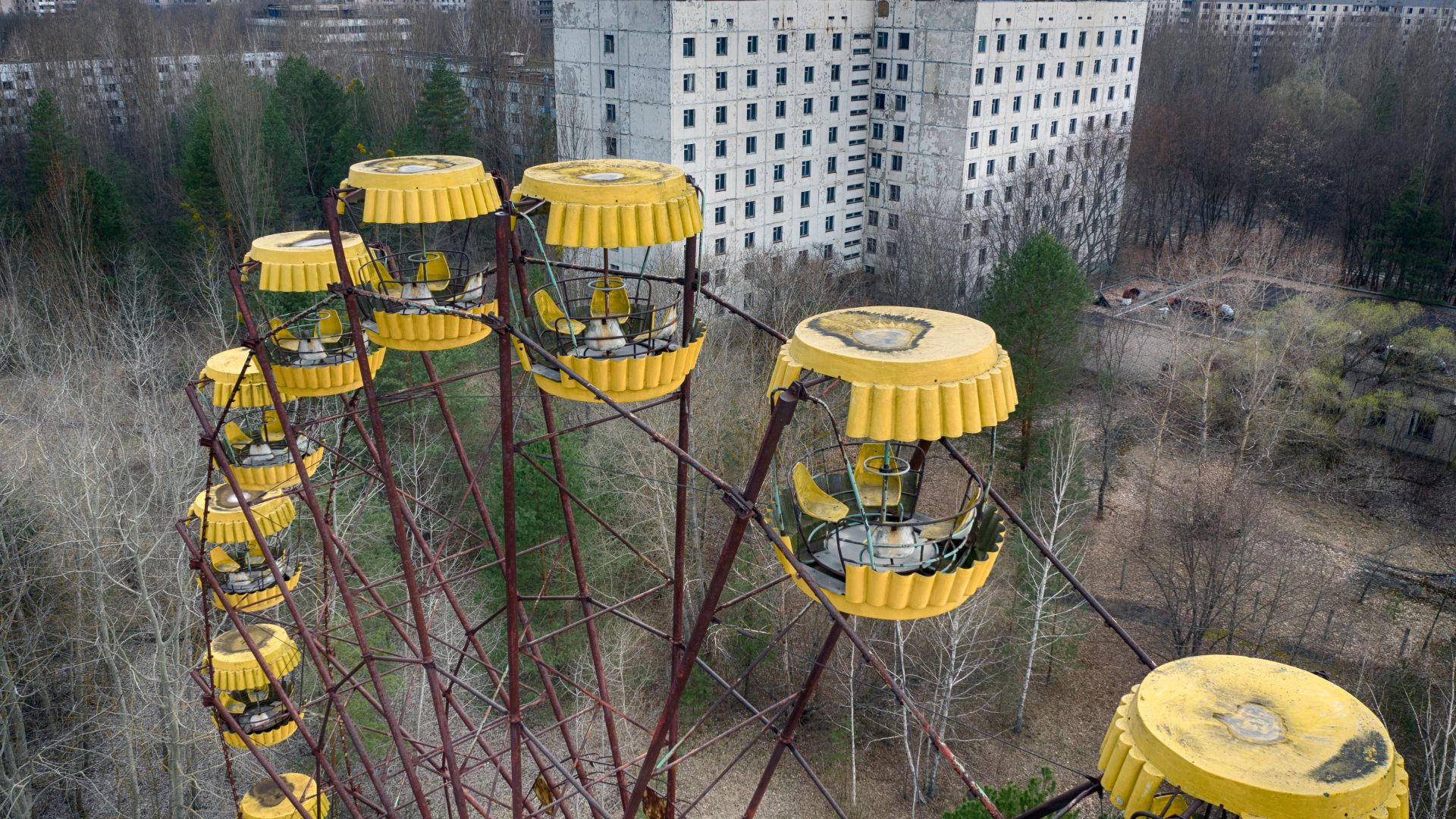
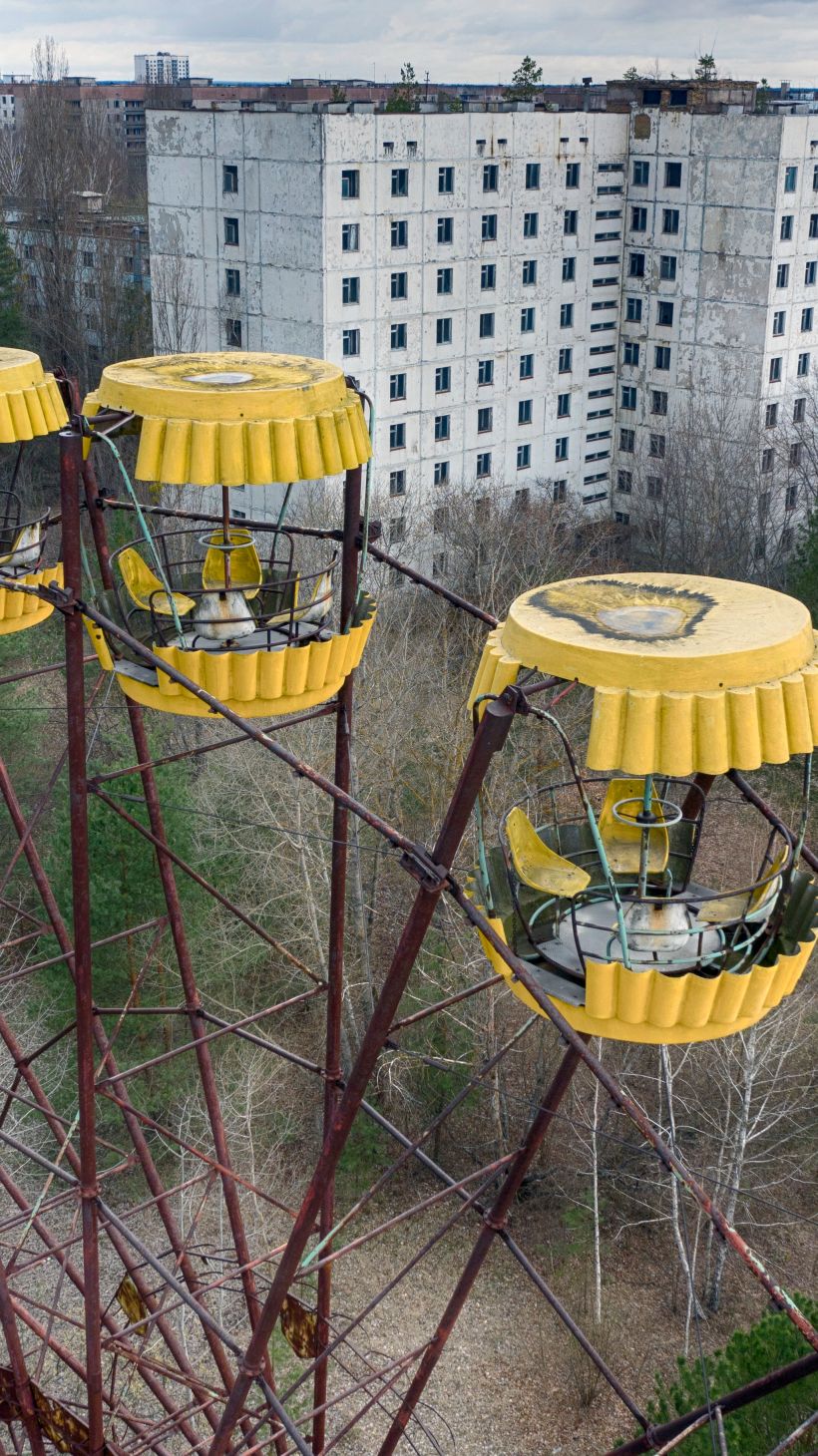
Within the CEZ lies the so-called "hot zone", a patchwork of land a few kilometres (miles) in radius surrounding the ChNPP, where radiation levels remain significantly higher than the rest of the CEZ.
There lies the abandoned city of Pripyat, about 3km (2 miles) from the ChNPP; its buildings have long been derelict, slowly decaying, with a rusting Ferris wheel towering above empty, windswept streets.
In contrast, Chornobyl city, which sits within the CEZ but just outside the "hot zone", is now a bustling administrative centre - home to scientists, soldiers and so-called settlers, elderly returnees who now inhabit abandoned houses despite it not being officially allowed.
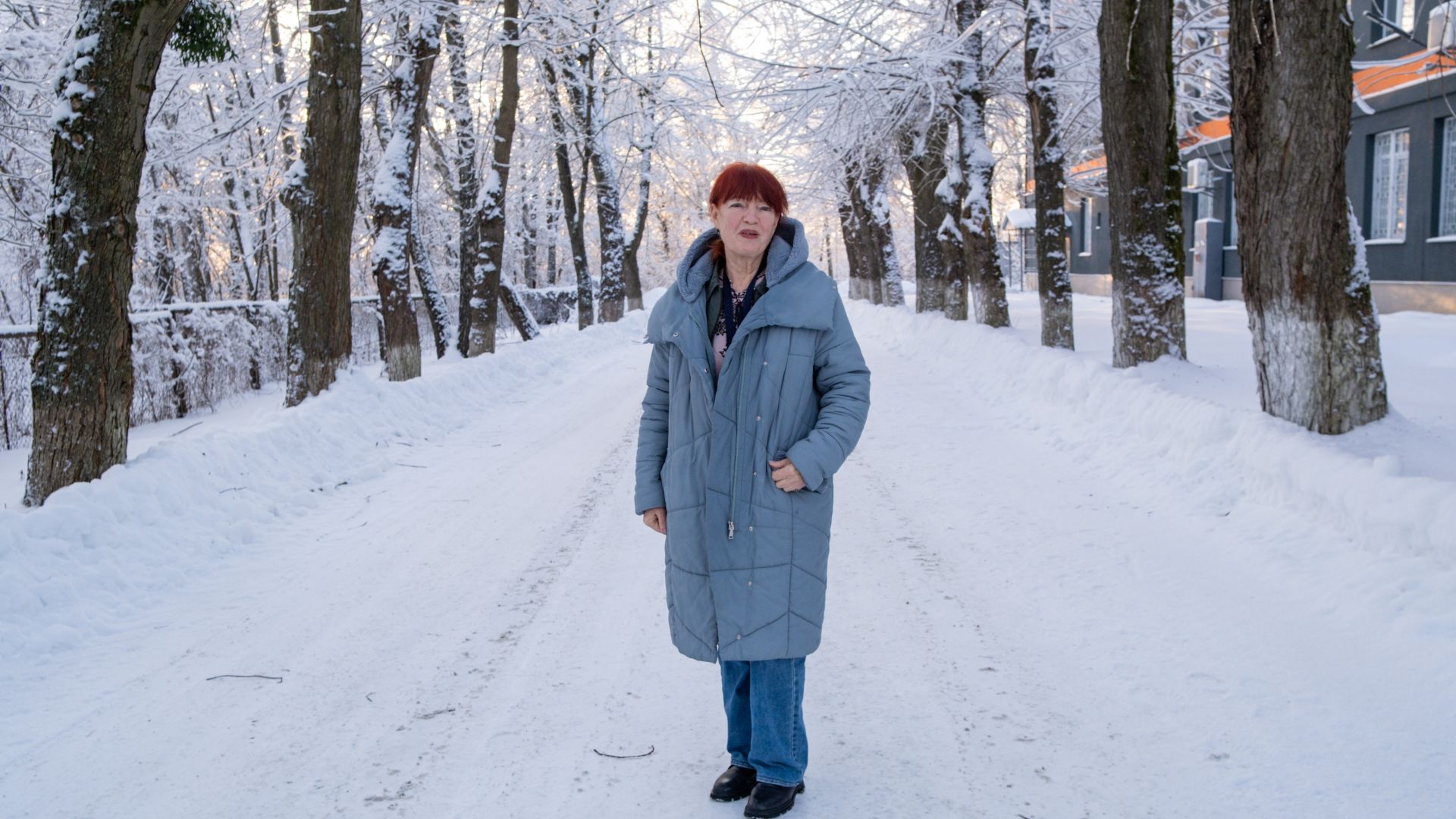
Tatyana Nikitina, a 67-year-old soft-spoken scientist with red hair styled in a neat fringe, sat at her neatly organised desk as she peered at a computer screen at the Chornobyl Centre for Nuclear Safety, Radioactive Waste and Radioecology, known locally as the Eco Centre, a scientific hub where specialists monitor radiation levels.
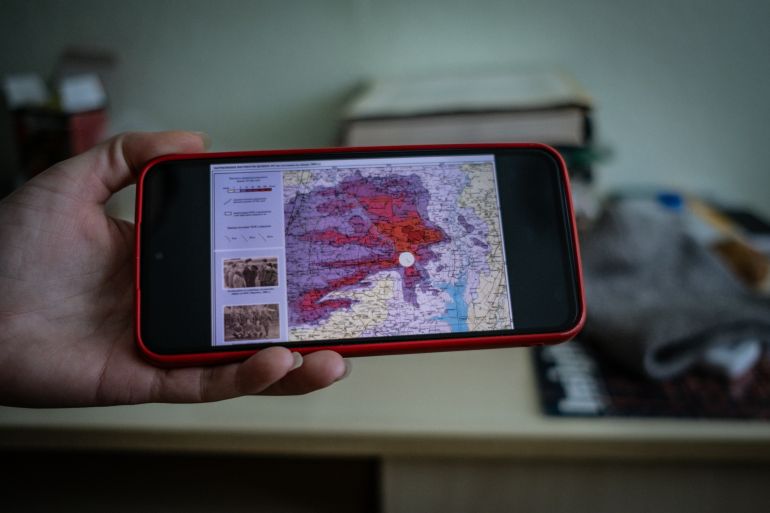
She fiddled with a dosimeter that hung from a strap around her neck and quietly measured background radiation as she used the computer mouse to zoom in on a map of the CEZ, analysing a bright red patch showing contamination in a small body of water.
In the late 1970s, Nikitina was studying nuclear engineering at university in Odesa, a multicultural port city steeped in imperial and maritime history on the shores of the Black Sea, when Oleksandr Oslyak, a “tall, handsome, bearded man”, strode past her before class.
She paused as she recalled the moment: “I immediately felt this trembling when I saw him; it was real love, a form of chemistry,” she said, raising her arm to reveal goosebumps.
It was the start of a deep romance, and within a couple of years, the two had married and welcomed a young boy into the world.
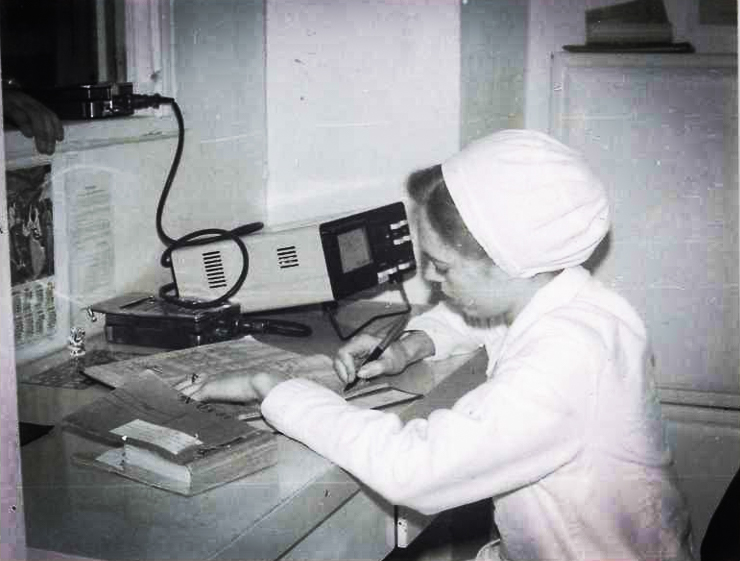
In the Soviet Union, university graduates were often assigned their first jobs by the state, and the couple were sent in 1982 to the ChNPP - then seen as a frontier of progress in their field.
Construction of the ChNPP had begun in the early 1970s, with the first reactor coming online in 1977.
When they settled in Pripyat, the fated Unit 4 was still under construction, only entering operation in 1983.
Nikitina loved her job in the spectrometry laboratory, measuring radionuclides and radiation levels, and Oslyak thrived in his role as an engineer tasked with turbine control.
They were provided with an apartment in Pripyat, then a newly built city brimming with recently graduated nuclear specialists and their families. It was a place, she said, that represented “opportunity”.
It was the happiest she had ever felt, until Saturday, April 26, 1986, a day that would change her life forever.
Disaster, denials and evacuations
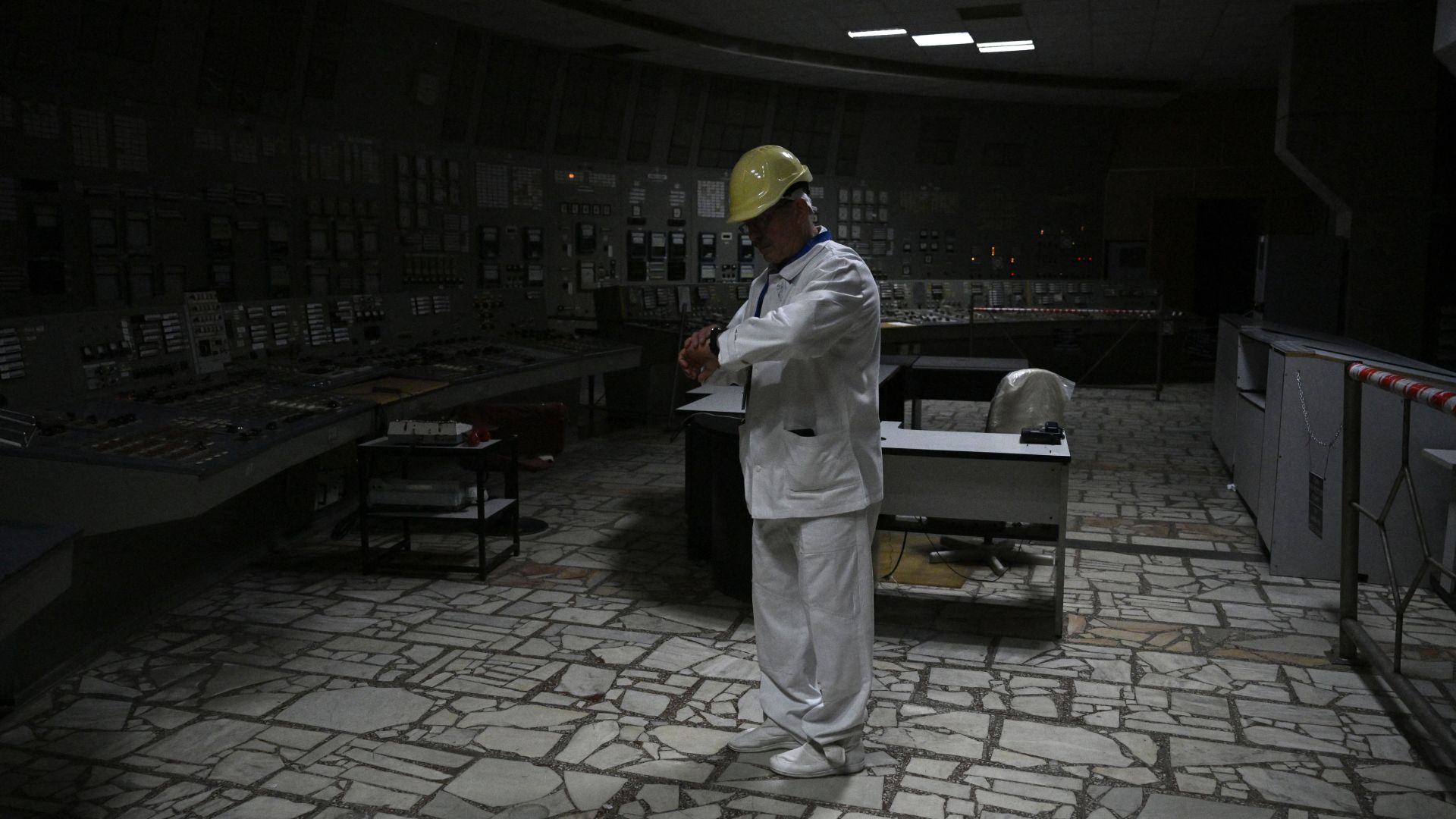
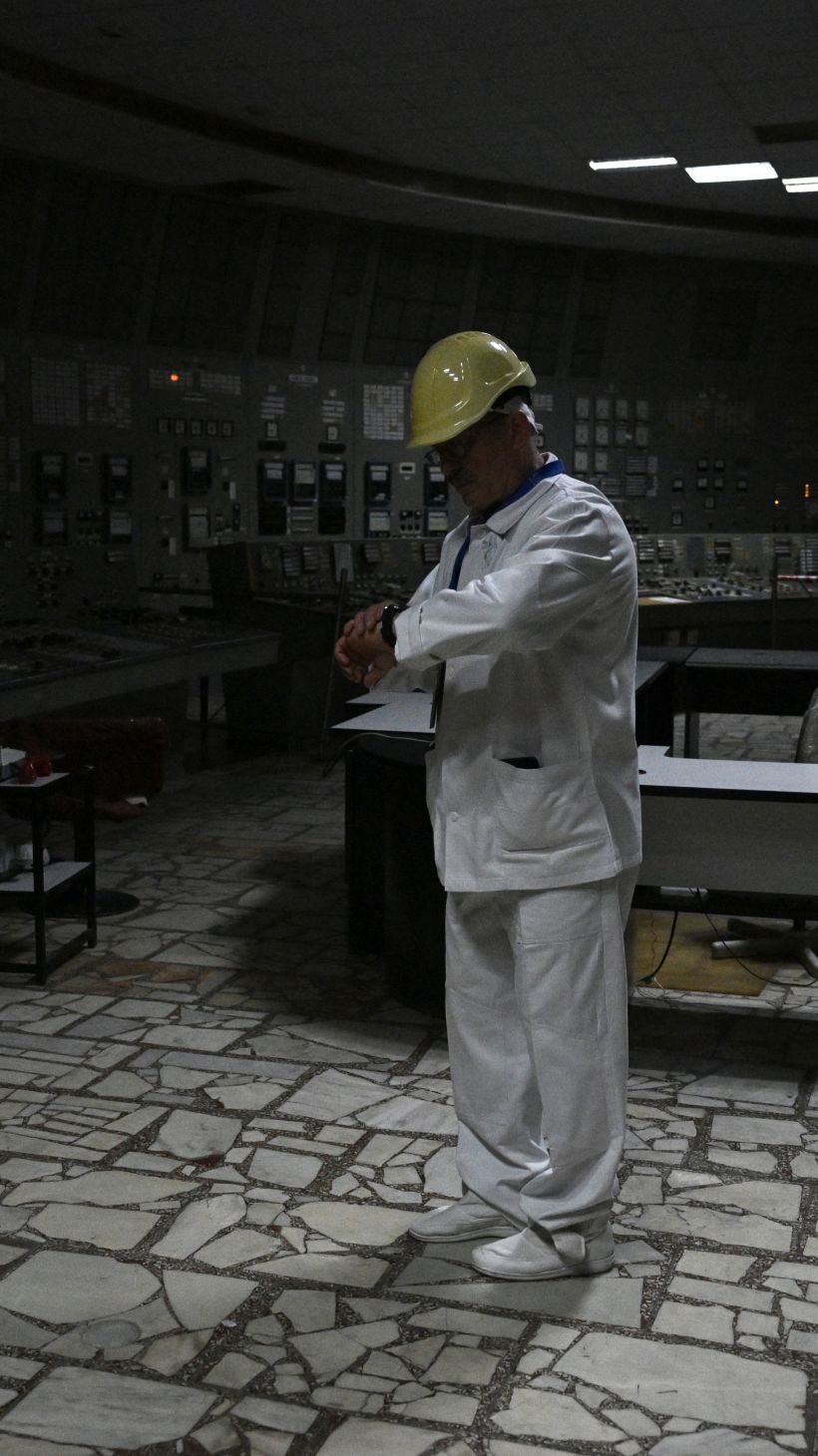
Oslyak had just finished a night shift at ChNPP on April 25, and had returned to Pripyat and their cosy apartment, with its wall rugs and soft lighting typical of functional Soviet style. He slipped into bed next to Nikitina and fell into a deep sleep.
At 1:23am, explosions rang out across the night sky.
The city stirred in the night, and some residents woke to the blasts and an unfamiliar light on the horizon, but Nikitina and her husband remained asleep.
In the plant, molten fuel burned through layers of concrete and steel towards water beneath the reactor, threatening an even greater explosion.
Firefighters and workers responded, unaware of the danger, climbing onto the roof and into the wreckage as radiation surged beyond levels that humans can handle.
Two Chornobyl plant workers died that night as a result of the initial explosion, and a further 28 personnel and emergency workers called to the site would die in the following weeks as a result of acute radiation poisoning.
But in Pripyat, as Nikitina woke on the morning of April 26, everything seemed normal. It was Saturday, and while many plant workers were off, shops were open, and, as was the norm in the Soviet Union, children went to school.
Neither she nor her husband was scheduled to work that day, but as they left the apartment for a stroll, they noticed multiple sealed vehicles loaded with heavy equipment moving through the city towards the ChNPP.
They thought back to their university classes, where they had been taught what would happen if a reactor were damaged. It had been presented as such an unlikely scenario that, at the time, she said it felt almost like an old wives' tale.
Yet, they agreed that these signs had all the hallmarks of a major incident, so the couple and their child hunkered down in their apartment and made sure all the windows were tightly closed as a precaution.
The morning of April 27, they woke to temporary evacuation orders blaring from loudspeakers mounted on trucks and police cars.
Residents were told to gather at collection points near their buildings as there had been an incident at the ChNPP, while municipal services began distributing iodine tablets to the inhabitants of Pripyat to protect their thyroids from radiation exposure.
The authorities did not tell them how severe the incident was, and they were advised to pack enough food and clothes for just three days.
Before they were about to leave their apartment for evacuation, her husband received a call from the local authorities: He was needed at the plant and was told to stay behind.
Nikitina recalls the moment she stood on the warm spring day, waiting with her son to board a bus.
She said, although the roughly 49,000 residents of the city were evacuated in an orderly manner, she has realised in hindsight the extreme dangers they were exposed to, standing in dresses, shorts and light clothing, unaware they were immersed in a radioactive plume filled with radionuclides and aerosols.
Nikitina and her son were first evacuated to Ivankiv, a town roughly 50km (30 miles) south of Pripyat and about 90km (56 miles) north of Kyiv, Ukraine’s capital.
After Soviet authorities admitted on April 28 that a disaster had occurred, news of its severity spread among the evacuees.
A panicked Nikitina began desperately washing her and her son's clothes in their temporary lodging provided by the authorities, trying to remove any contamination. As she laid them out to dry on a balcony, a dosimetrist visited her, only to discover that they contained dangerous levels of radiation and ordered them to be immediately removed and destroyed.
The liquidators of Chornobyl
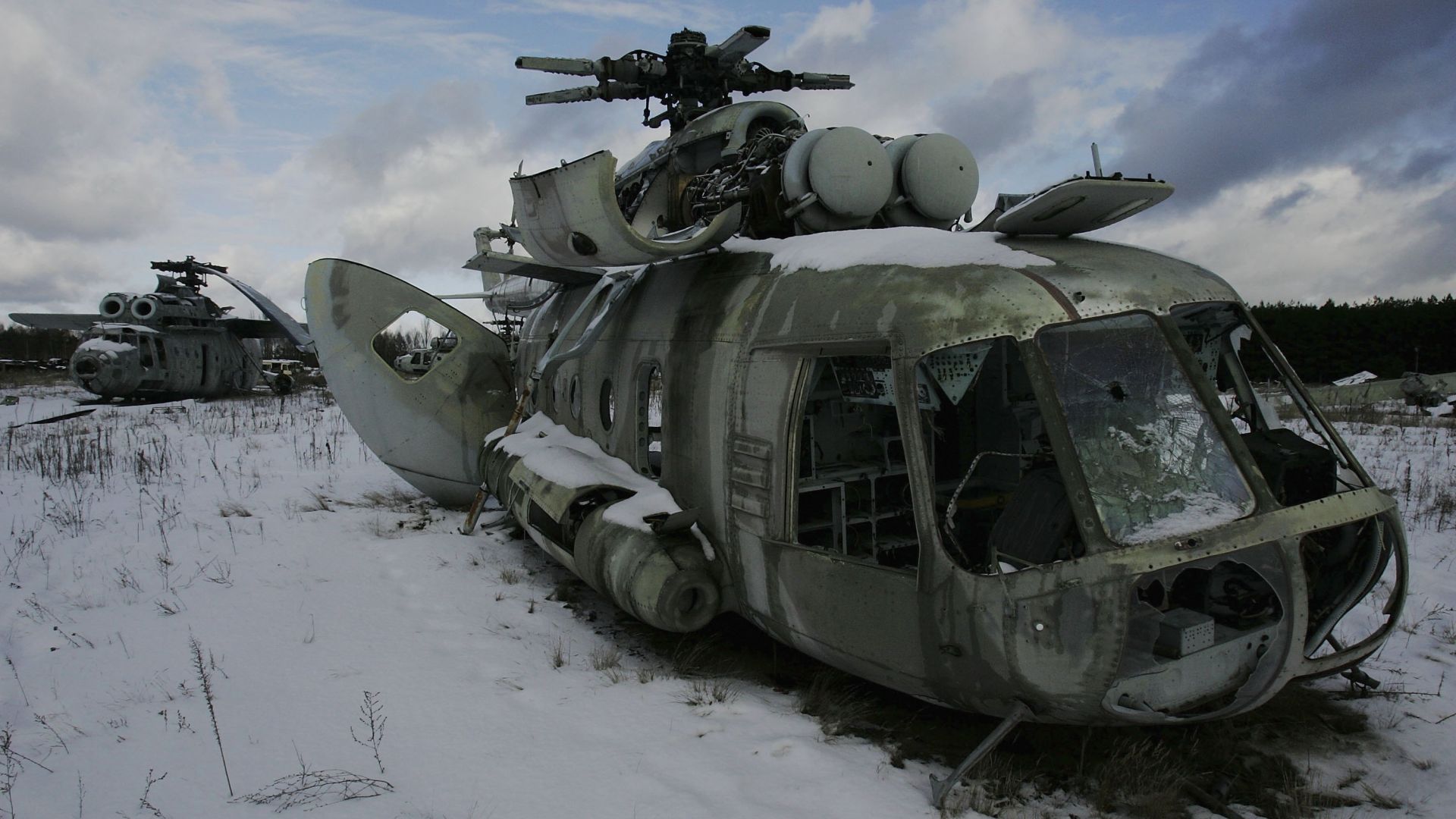
It took a week before Oslyak would be given a break from working at the ChNPP and reunited with Nikitina and his son. He immediately picked them up in his car and drove them roughly 600km (370 miles) to Nikitina’s family in eastern Ukraine, a temporary refuge that would become their home for many years.
However, Oslyak had to return and continued to work intensive two-week shifts in the CEZ every month. It was a decision that upset Nikitina at the time, but she now believes it was a noble act to help protect all those who lived in the area.
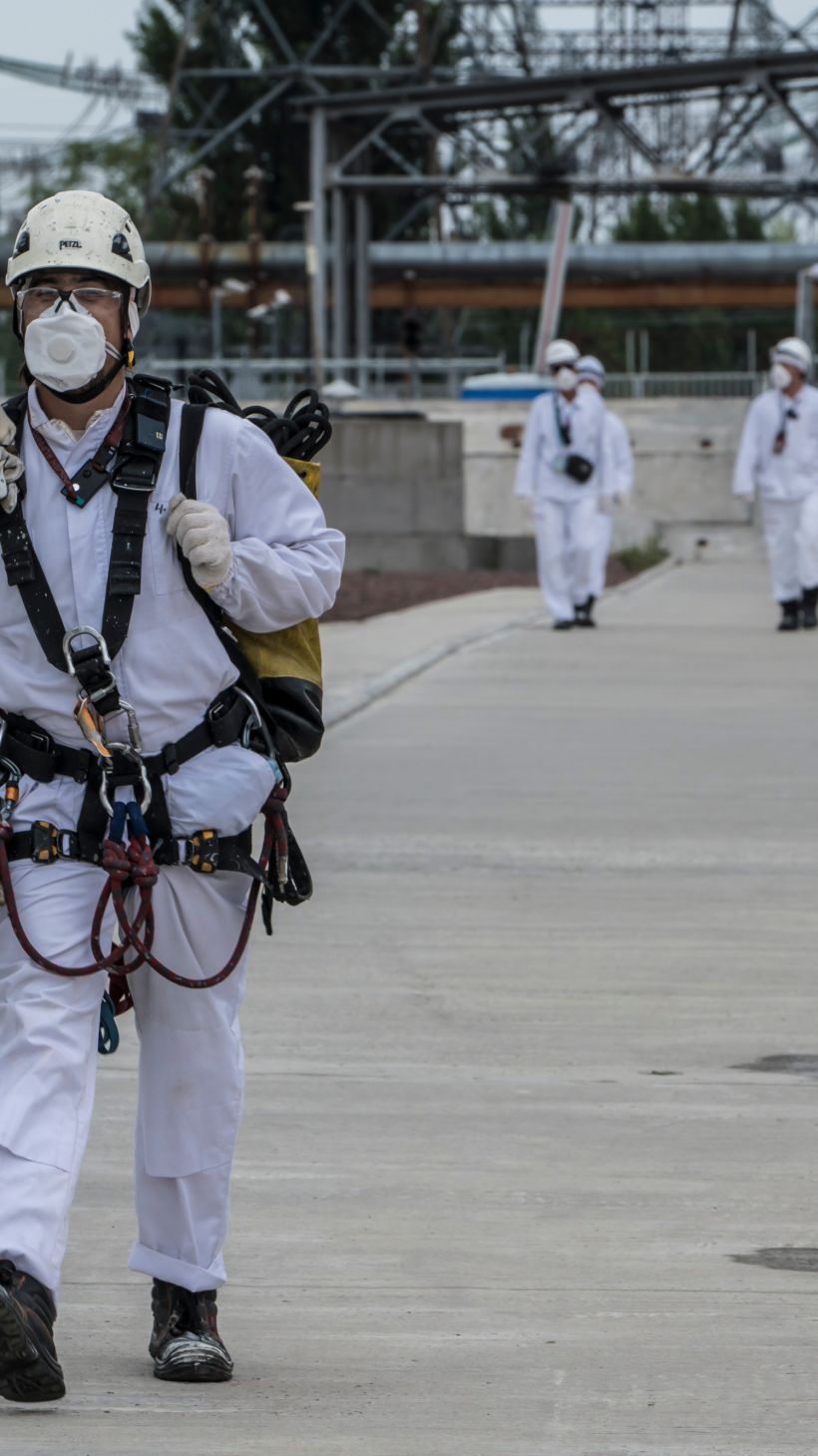
After the Chornobyl disaster, hundreds of thousands of workers who, like Oslyak, became known as "liquidators"- a Soviet term for those tasked with eliminating the consequences of the accident - were sent to clean radioactive contamination, often working in dangerous conditions with limited protection.
They removed radioactive debris, burying it across 800 different locations in the CEZ, and by May 4, they had brought the fires and radiation leaks from the disaster under control.
By the end of 1986, they had erected the Chornobyl Sarcophagus, a concrete-and-steel enclosure built to contain the radiation from Unit 4, which was eventually replaced by the NSC in 2016.
The World Health Organization estimates up to 4,000 deaths from radiation-related cancers following the disaster, though the exact number remains uncertain due to limited early data and the difficulty of linking cancers directly to the accident.
Other estimates are significantly higher, including a 2006 Greenpeace report that suggested the toll could reach 100,000.
The International Atomic Energy Agency (IAEA) says cases of thyroid cancer among people who were children at the time of the disaster and lived in contaminated areas are far above normal levels, largely because children’s thyroid glands readily absorb radioactive iodine, increasing cancer risk.
In the immediate aftermath, livestock in heavily contaminated areas were reported to suffer deformities, stillbirths and other radiation-related health effects.
Oslyak’s health had deteriorated by 1989, and he stopped working within the CEZ, but he died in 2005 after battling several health conditions.
Like many former liquidators, it is not possible to directly link his health issues to the Chornobyl disaster, but Nikitina firmly believes it was the cause. “Bit by bit it broke him down,” she said, her voice shaking with emotion.
For a long time after her evacuation, she could not cry: “I was completely blocked, frozen, no emotions - just decisions. I stayed like that for a while.”
But after her husband's death, she felt a calling to continue his legacy of protecting the area from further contamination, and so she returned, bringing with her 20 years of experience as an engineer measuring radionuclides in food, water and soil.
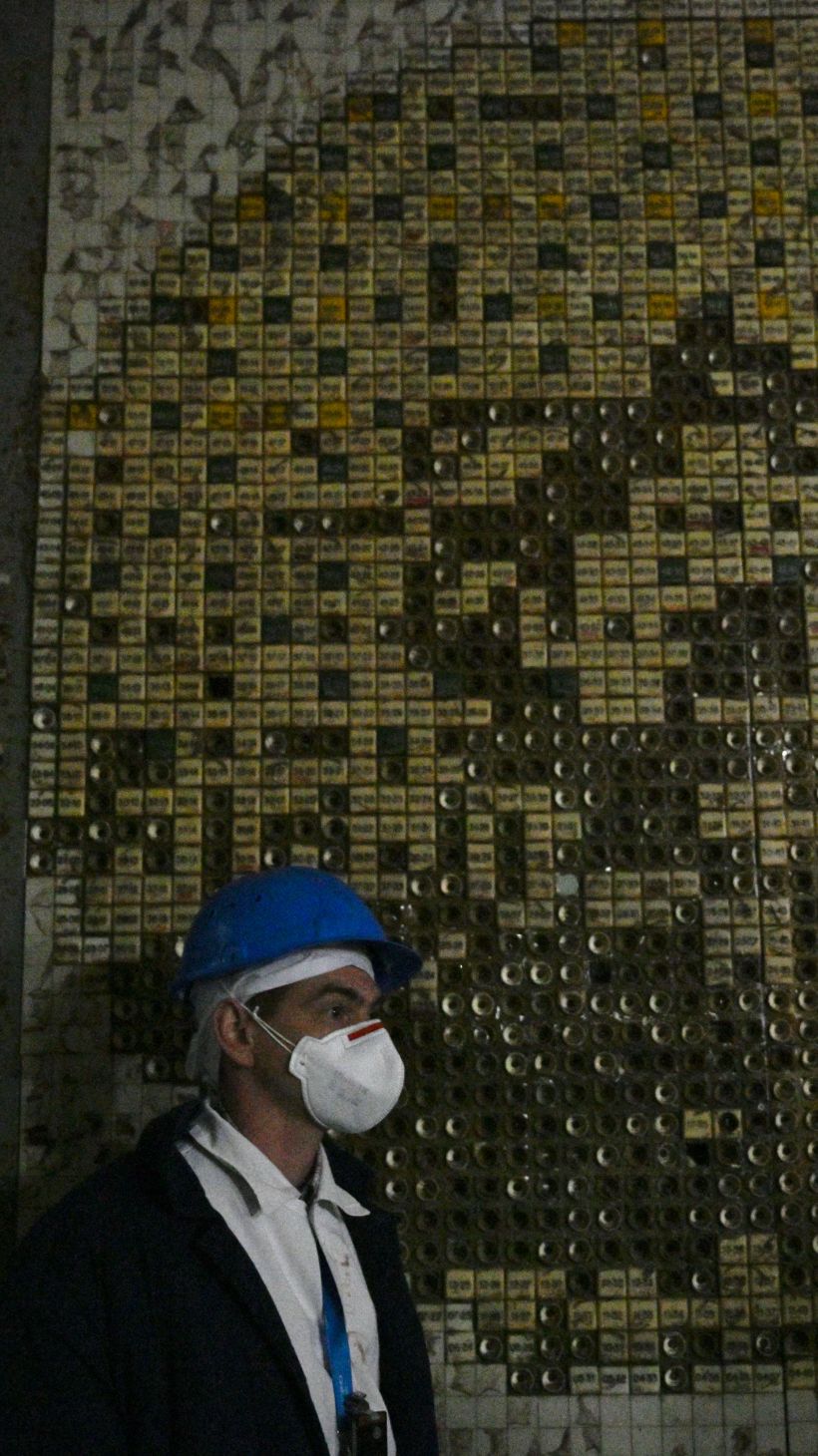
She now lives in Kyiv and commutes 2.5 hours to the CEZ. Once there, she walks through a radiation portal monitor, a machine that checks your body for radioactive contamination entering and leaving CEZ.
Her work at the Eco Centre, where she and her fellow scientists meticulously analyse and map the radiation readings collected from around the zone, helps ensure that areas of high radiation - found in sporadic patches around the zone - are kept contained.
She also helps to control how much radiation her colleagues and inhabitants of the zone are exposed to, including the so-called "self-settlers" who have moved back into the CEZ despite the risks.
The settlers of Chornobyl

![[Nils Adler/Al Jazeera]](/wp-content/uploads/2026/04/DSCF4023-1776683319.jpg?resize=820%2C1460&quality=80)
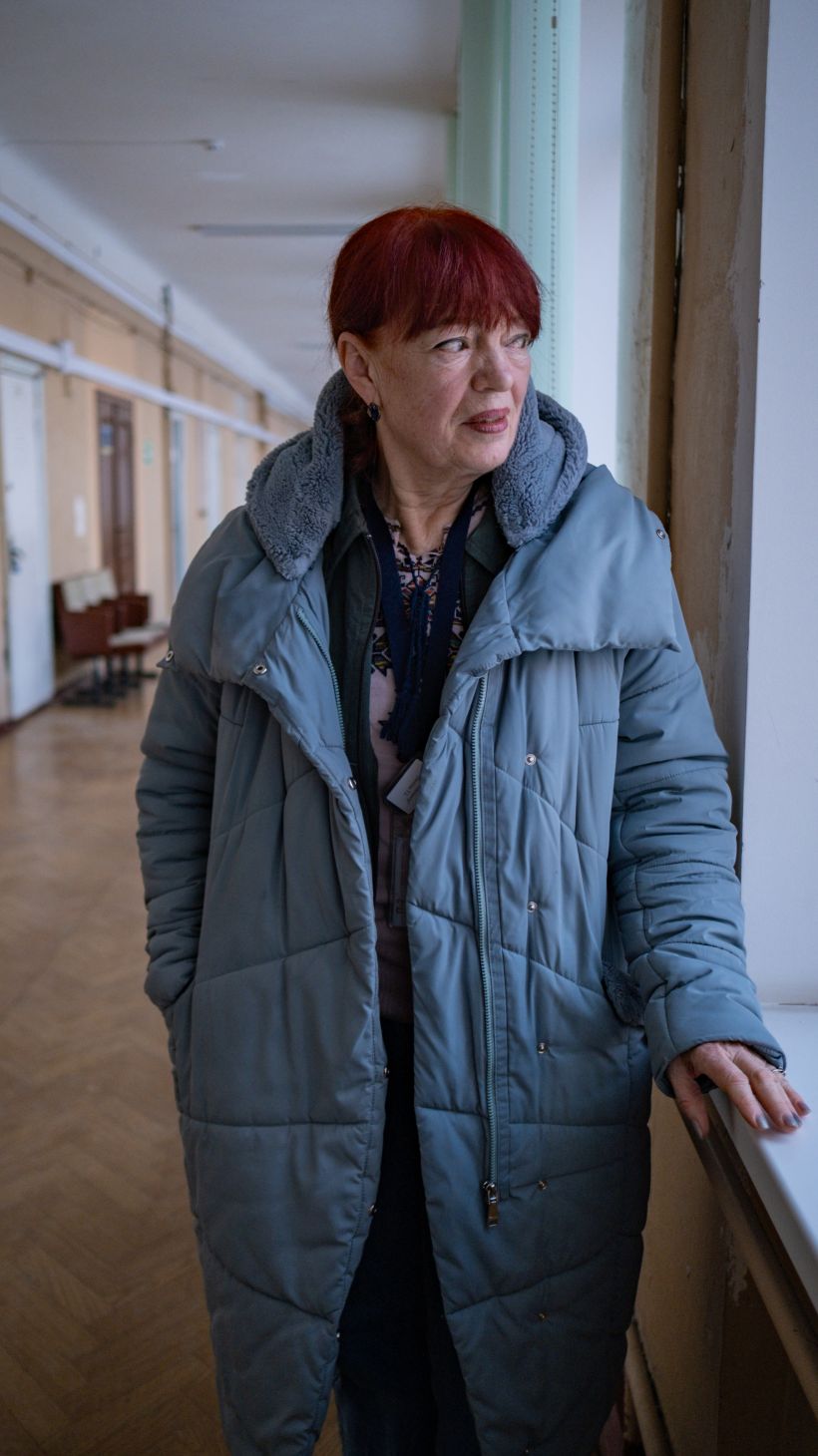
In a tumble-down bungalow tucked in between two patches of dense forest on the outskirts of Chorbobyl town lives Valentyna Borysivna, a softly spoken 87-year-old so-called "self-settler".
People aren’t officially allowed to live in the zone, but a small number of mostly elderly residents who have returned over the years are informally tolerated by authorities.
In the years following the disaster, it is estimated that more than 1,000 people returned to the CEZ, but as people have aged and died, the current number of “settlers” stands at about 100.
As she shuffled into her bedroom, the old, worn floorboards creaking under her felt woollen boots, an air raid siren sounded, frightening her cat, who darted off into another room.
She fiddled with her headscarf as she looked out the window, remarking, “I was two and a half when World War II came here, and it seems I will die in this war now; there is no end in sight to this”.
Borysivna was born in the town and remembers it as the antithesis of its image today.
Surrounded by rich soil, nature and an abundance of fruit and vegetables, it was, in her description, the place every young child would have dreamt of growing up.
She was a 47-year-old working in a sewing factory when the nuclear disaster occurred; her husband was a crane operator, and they both lived in Chornobyl, which, compared with Pripyat, had a much older population with roots in the area.
Like the residents of Pripyat, they were evacuated from Chornobyl town the day after the explosion.
She recalled that the mood was jovial on the morning of the evacuation. When her husband complained of an unusual scratching sensation in his throat, his friends mocked him, saying it was because he never drank vodka.
They boarded the buses thinking they would be back within a few days.
As days turned into months, the couple struggled to adapt to their life amid a series of haphazard, temporary housing arrangements allocated to them in the Kyiv region.
She said, unlike the younger population in Pripyat, many residents of Chornobyl city were elderly and simply longed to return to their local area to see out their final years, regardless of the risks.
Only a few months after the explosion, Borysivna and her husband attempted to return to their home, only to be blocked by the authorities, who told them that as it lay by a riverbank, where radioactive fallout collected after being washed into waterways by rain, the soil was likely contaminated. So the couple moved into the abandoned home she now lives in today.
Her husband died in 2008, aged 70, but Borysivna continues to live alone with an energetic clowder of cats, growing much of her own food, a practice which carries risks of radiation exposure.
The CEZ is heavily monitored, especially since Russia’s invasion, and anyone granted approval by Kyiv to enter is still obliged to meet with a member of the SBU - Ukraine's security services - when in the CEZ, to explain what they did during their visit.
However, for elderly returnees like Borysivna, the rules are more relaxed.
She spends her days pottering around her home, making only an occasional trip to the local convenience store frequented mainly by the soldiers stationed in the CEZ. The authorities turn a blind eye, allowing her to see out her final years in the place she grew up.
An unexpected wildlife refuge
In 2011, the Ukrainian government opened the CEZ to organised tour groups, turning the area into an unexpected travel destination, with licensed guides armed with Geiger counters to measure radiation levels in real time, carefully ferrying tourists along designated pre-approved footpaths around Pripyat.
In contrast to these tours, which were heavily monitored and followed only approved routes, a subculture of thrill-seekers known as "stalkers" emerged, evading the authorities and secretly entering the area, often on foot, to explore the CEZ.
Russia’s February 2022 invasion and the subsequent heavy Ukrainian militarisation of the area put a stop to both pursuits, and despite years of tours and stalkers entering the CEZ, large parts of it have remained largely undisturbed for decades.
In that time, nature has reclaimed the land, turning it into a flourishing, if unlikely, wildlife refuge.
Certain animal species have proven much more resilient to radiation than humans, and elk, wild boar, and rare birds are increasing in number, helping ecosystems recover and thrive. The CEZ now has one of the highest wolf densities in Europe.
Dennis Vishnevskiy, a straight-talking 48-year-old biologist with a striking streak of quiffed hair, sat in his office in Chornobyl town.
A black flag with a skull and crossbones hung on the wall, hinting at his dark sense of humour, in contrast to the imposing bookshelves, bursting with scientific literature, propped against the walls.
As he made himself comfortable, he pulled off a badge around his neck that showed an atom with electrons orbiting a nucleus, widely used to represent nuclear science. The badge grants him access to the "hot zone". Vishnevskiy threw it onto his desktop as a tank rumbled past his window.
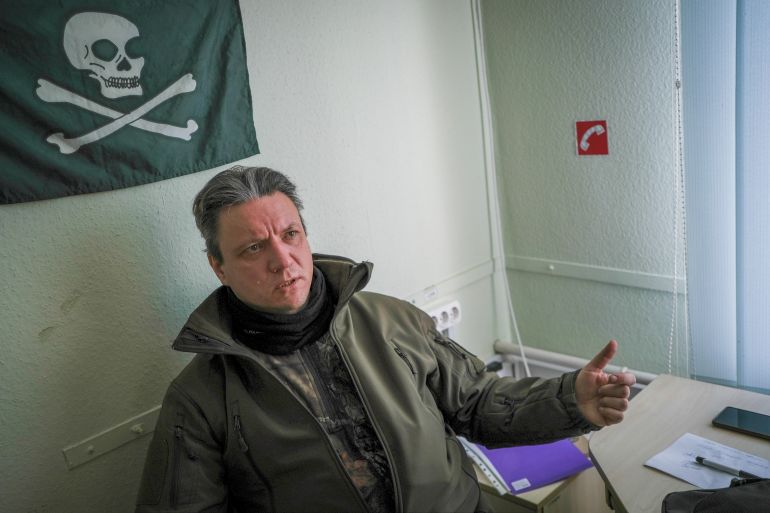
He had pulled the blinds down, but light streamed through a door perforated with a large hole, which he said was a remnant of the building’s weeks-long occupation by Russian soldiers in 2022.
Vishnevskiy, who has devoted more than two decades to studying nature in the CEZ, described nature's takeover of a place of “catastrophe and tragedy” as a “fascinating phenomenon”.
“It shows nature needs a very short time to restore itself and destroy human structures, like fields, planted forests, concrete roads and buildings,” he said.
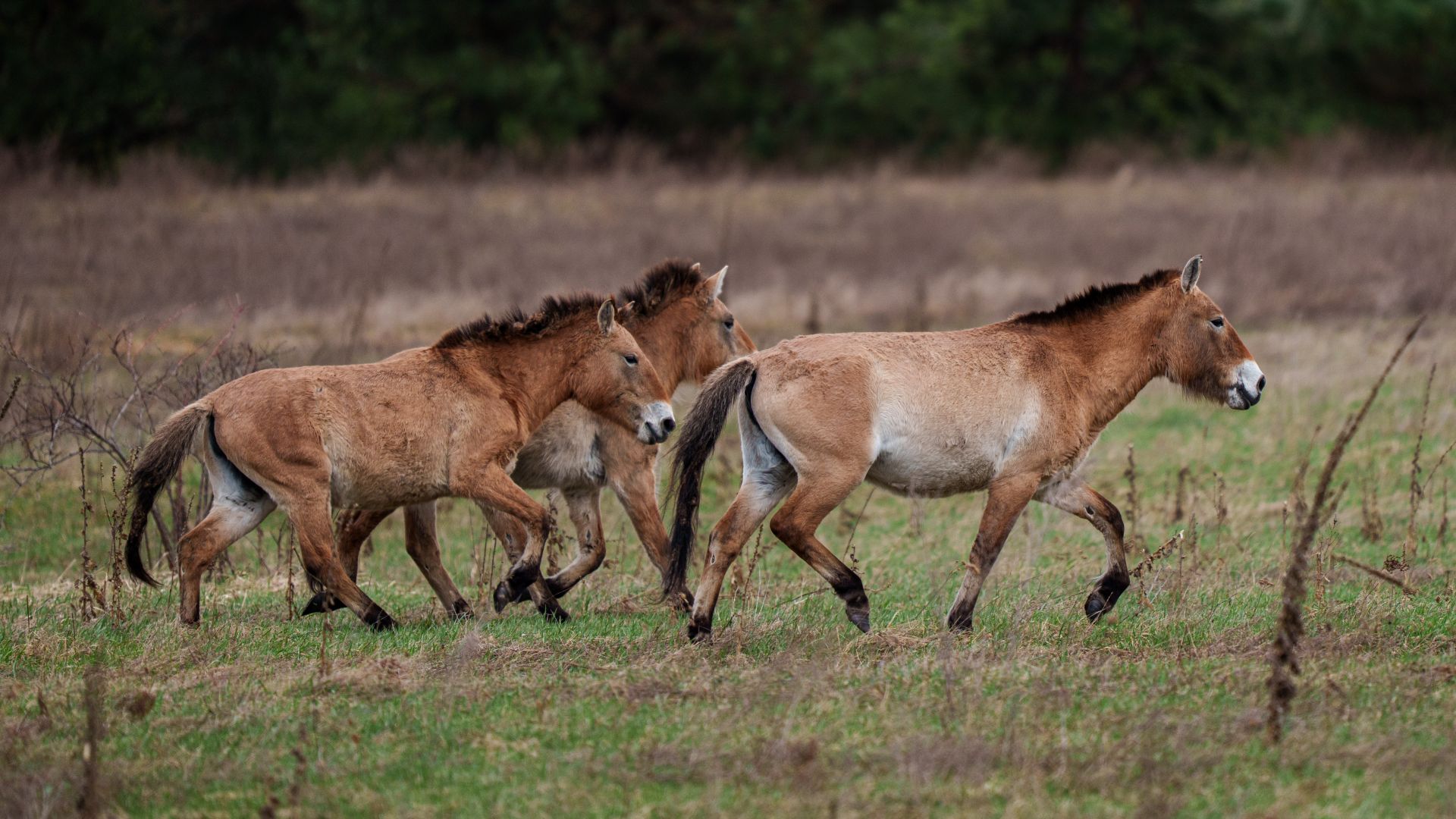
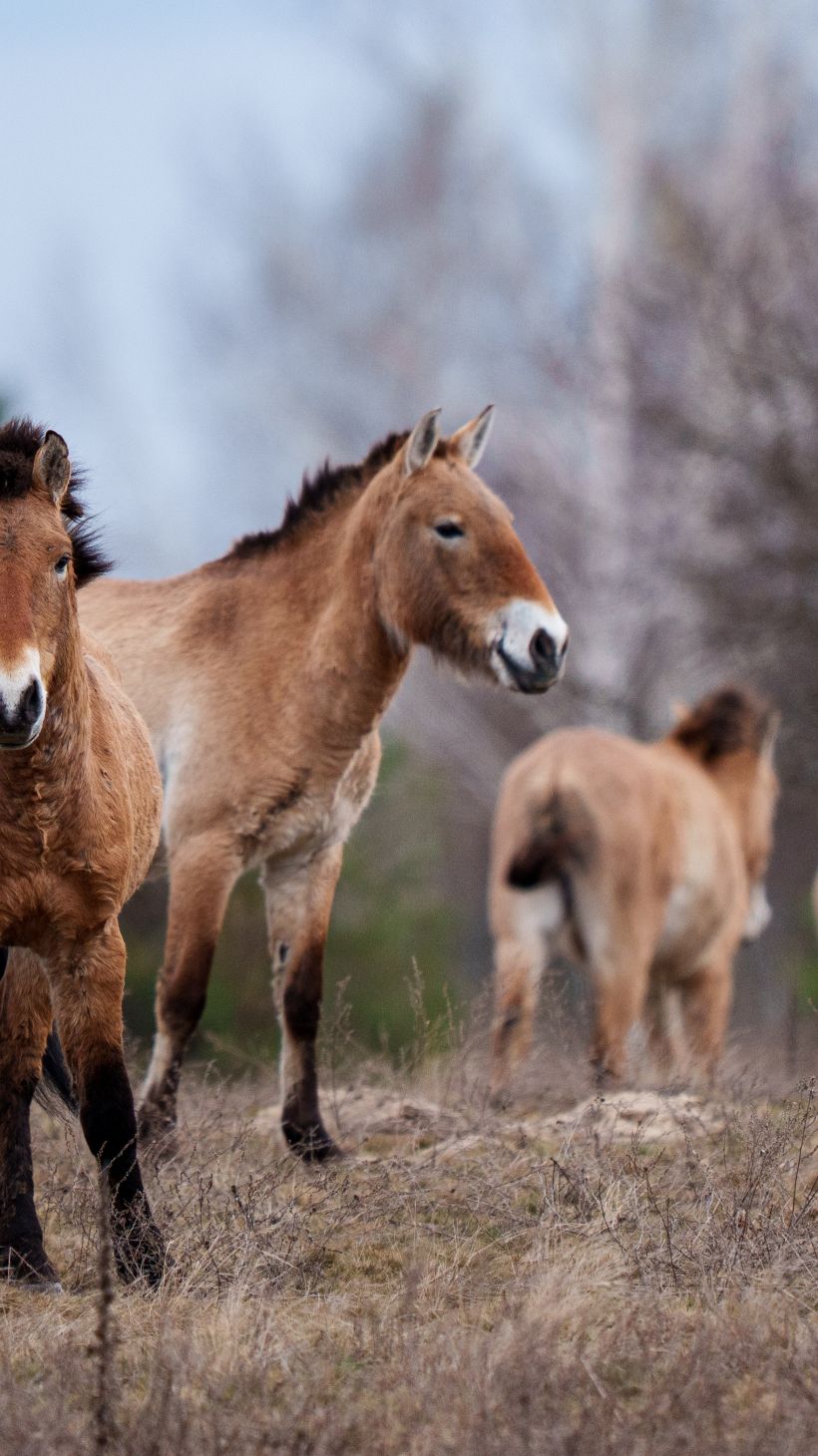
In 1998, about 30 Przewalski’s horses, the only truly wild horse species still in existence, were released into the CEZ as part of a conservation programme.
A native to the steppes of Central Asia, the stocky horses with upright manes, no forelock, dark legs, and a sturdy build were on the brink of extinction.
Now there are about 140 of these horses, Vishnevskiy said, living “very comfortably without problems” in the CEZ.
In fact, they have flourished to the point that he is now investigating reports they have fended off wolves by organising coordinated defensive attacks - highly unusual behaviour against an apex predator, he said.
‘We will never forget’
Hundreds of soldiers are now housed in many of the once-abandoned residential blocks in Chornobyl town and in makeshift military camps around the CEZ.
Certain military areas within CEZ are also closed to researchers, but soldiers operating in them are provided with dosimeters to track radiation exposure and ensure their safety, Nikitina said.
As a survivor of the tragedy and a radiation specialist, she said she struggles to find words to describe how irresponsible it was for Russian troops to have dug trenches in the so-called red forest, an area that experienced such an intense radiation fallout from the disaster that it was said to turn tree leaves red.
Nikitina and other specialists at the Eco Centre say the occupying forces also stole large amounts of equipment, including dosimeters, of which there is still a shortage today.
On February 14, 2025, Ukrainian authorities said a Russian drone hit the protective casing around the plant with a high-explosive warhead, something Moscow denies.
An IAEA investigation later found that the containment structure had lost its primary safety functions in the strike but had fortunately not suffered permanent damage to its load-bearing structures or monitoring systems.
As she leaves the Eco Centre after a long day's work, Nikitina passes a memorial in front of the building bearing the names of people who lost their lives in the cleanup operation following the disaster. She pauses and looks at it in silence before saying, “It’s been 40 years, but we will never forget them.”