Skip linksSkip to Content
play
Live
Navigation menu
  • News
    • Africa
    • Asia
    • US & Canada
    • Latin America
    • Europe
    • Asia Pacific
  • Middle East
  • Explained
  • Opinion
  • Sport
  • Video
    • Features
    • Economy
    • Human Rights
    • Climate Crisis
    • Investigations
    • Interactives
    • In Pictures
    • Science & Technology
    • Podcasts
    • Travel
play
Live

In Pictures

Gallery|Wildlife

In Pictures: Orphaned rhinos find refuge in S Africa sanctuary

Rhinos are killed for their horns with 1kg selling for more than $110,000 on the black market.

Save

Share

facebookxwhatsapp-strokecopylink
Rhino calves at the Rhino Orphanage in an undisclosed location in Limpopo province, South Africa. [Michele Spatari/AFP]
By AFP
Published On 12 Jan 202112 Jan 2021

Rhinoceros calf Jessie was just four months old when she arrived at a shelter in northern South Africa, bleeding from a cut to the shoulder and deeply traumatised.

Rescuers suspect the animal was wounded by poachers who took out its mother, hitting the calf with a machete to keep it away. Jessie was lucky to escape alive and land in a unique centre devoted to rehabilitating rhino orphans.

“It took two days of giving her Valium for her to calm down,” carer Zanre Van Jaarsveld recalled. “She was very dehydrated too.”

The Rhino Orphanage is tucked away in the lush forests of South Africa’s Limpopo province, hidden at the end of a red-dirt track dotted with potholes.

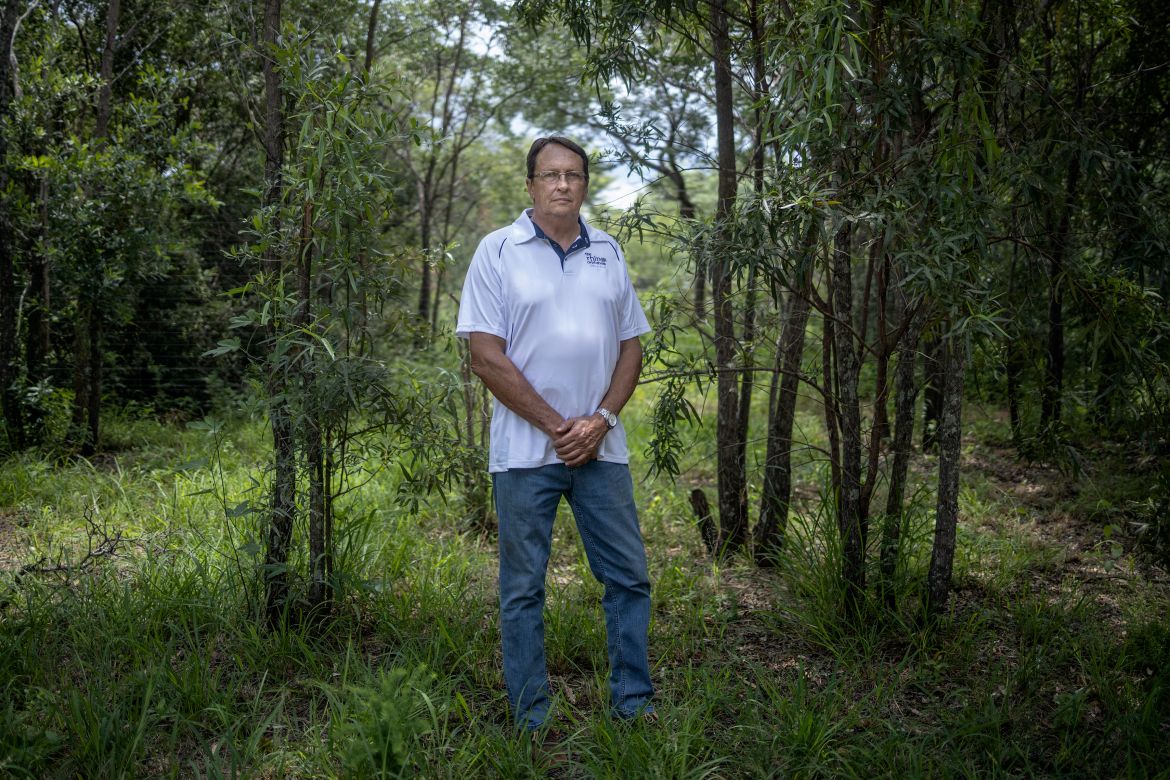
“If farm workers give information to poachers … they will make more money than they would make in a year’s wages,” said founder Arrie Van Deventer.

Security and vigilance are, therefore, key to protecting the orphanage, which survives on private donations.

Van Deventer, a former history teacher turned game breeder, started the project after he was called to help with a poaching incident in 2011.

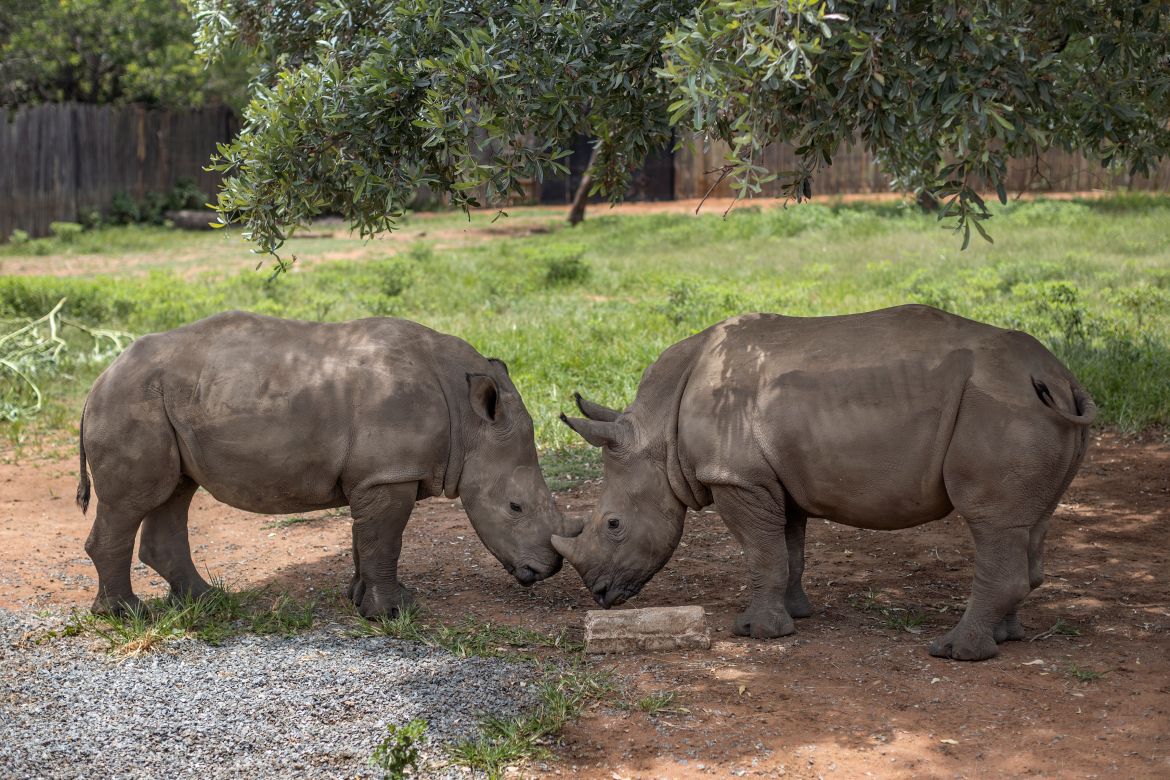
Today the orphanage is home to a number of rhino calves. Most are of the square-lipped species, also known as white rhino, but some of the rarer critically endangered black rhino are also housed there.

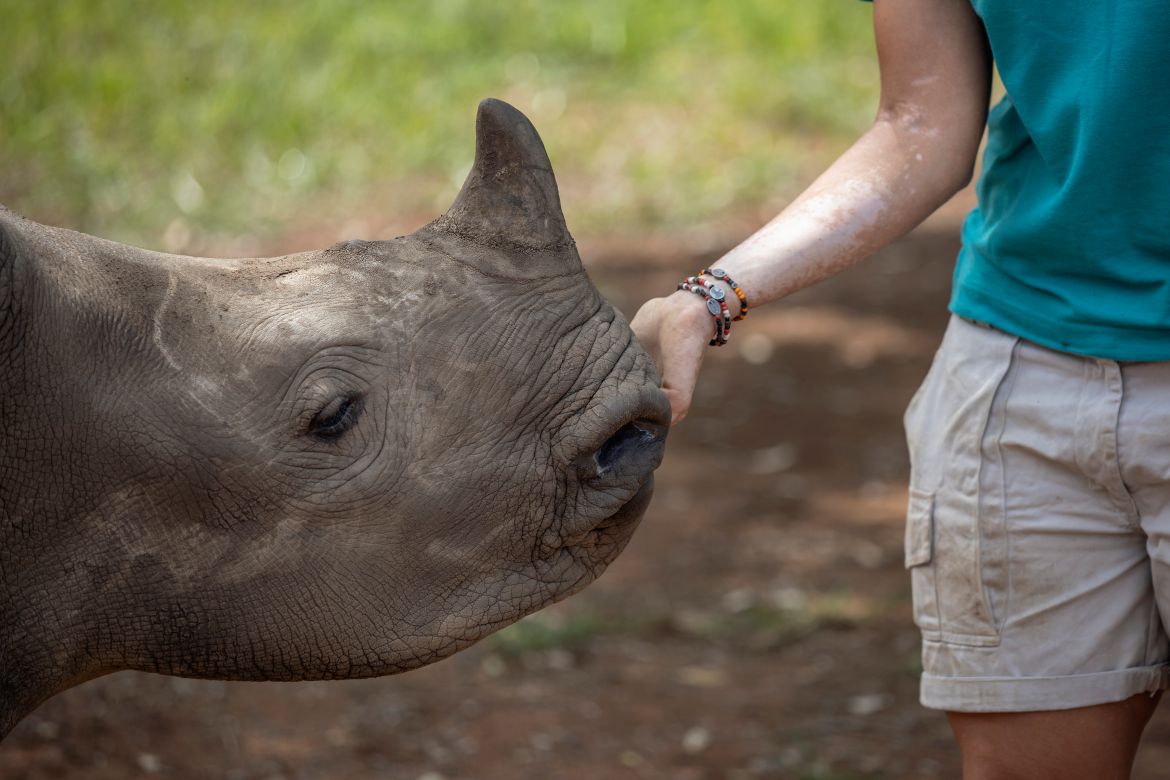
The mission is clear: rescue, rehabilitation and release. No tourists allowed, very few visitors, and minimal human contact.

“If they get too accustomed to people it makes it more difficult to release them into the wild,” Van Deventer explained, adding the grounds were also closed to the public for “security reasons”.

Advertisement

Four staff and two volunteers, all women, work around the clock to nurse the rhinos, sometimes even sleeping next to the youngest calves in an open-faced barn.

“We’re their mothers,” said manager Yolande Van Der Merwe, 38. “They sleep very close for warmth and comfort … As soon as they are left alone they start screaming.”
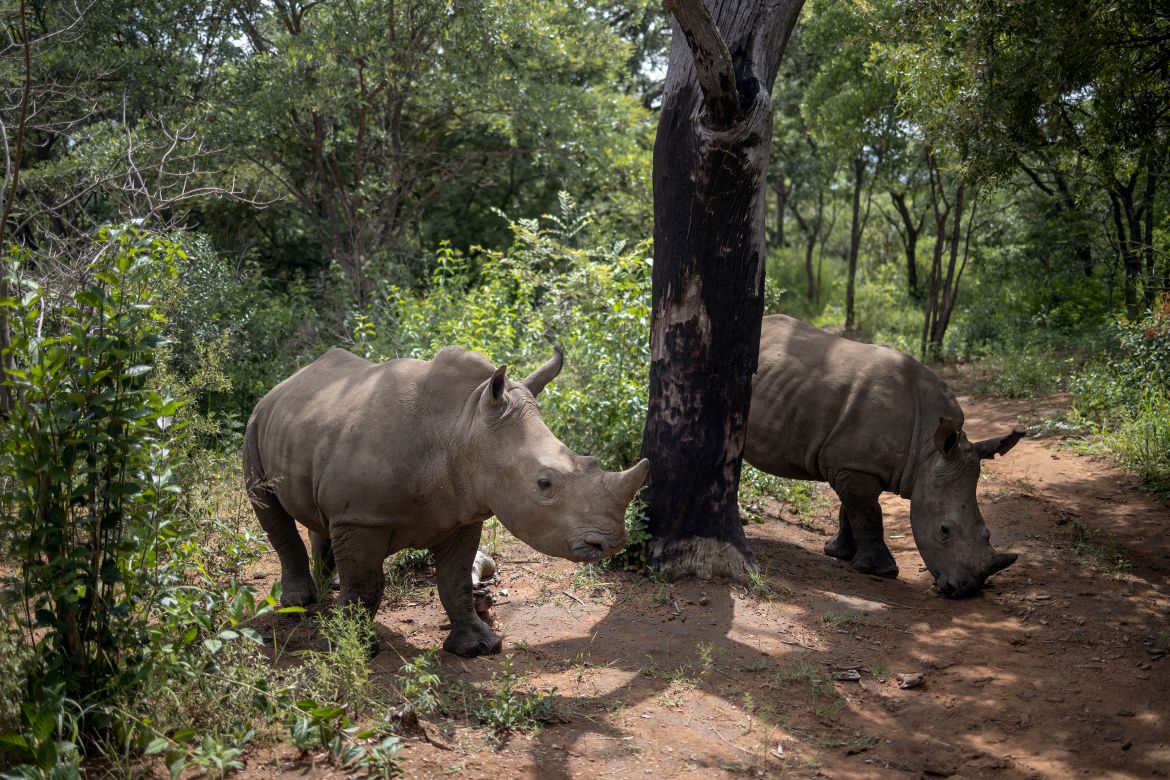
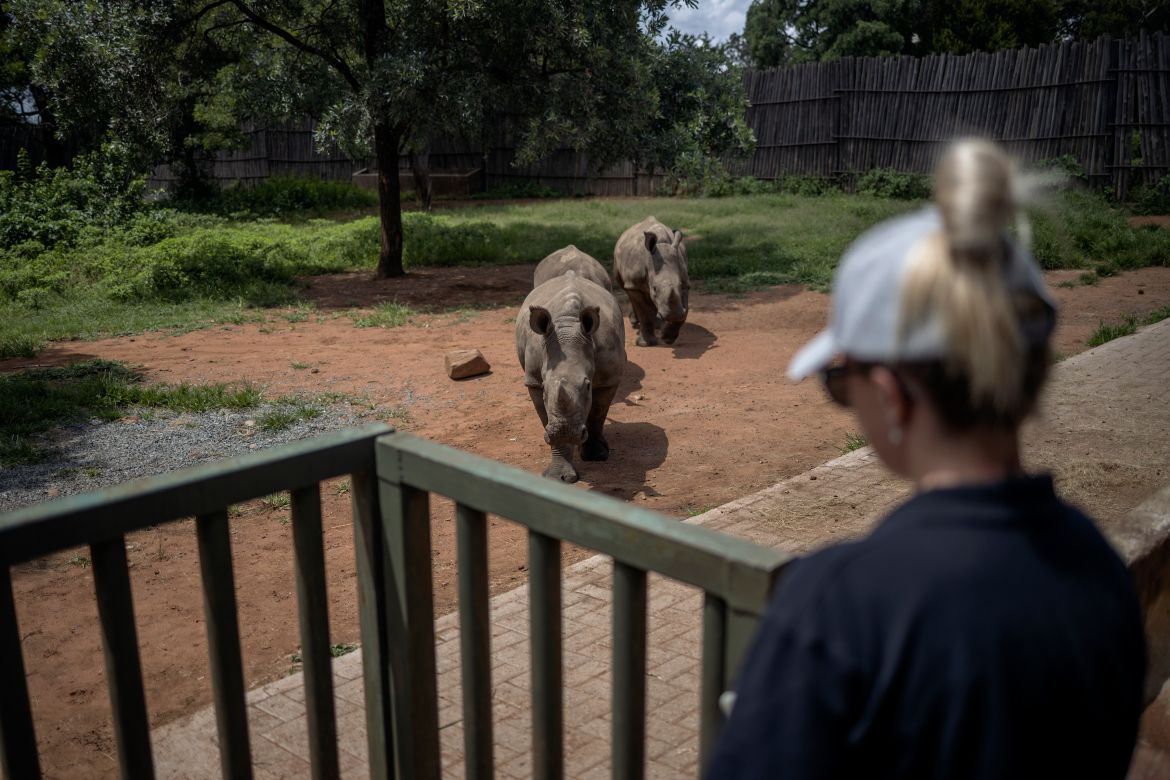
Carefully hidden in the bush of South Africa's Limpopo province, the Rhino Orphanage is the first specialised non-commercial centre that cares for orphaned and injured baby rhinos. [Michele Spatari/AFP]
Advertisement
Most baby rhinos at the orphanage lost their mothers to poaching for their valuable horns. [Michele Spatari/AFP]
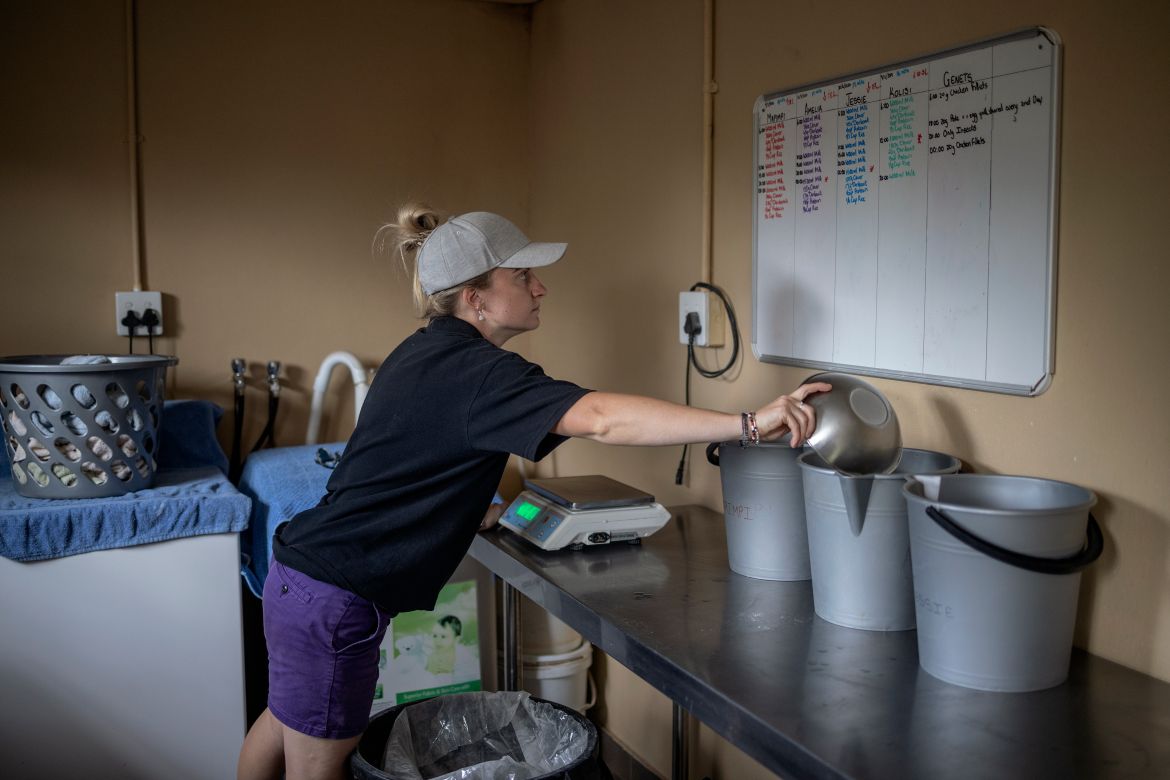
Volunteer Sarah Fox, 31, prepares milk for rhino calves. [Michele Spatari/AFP]
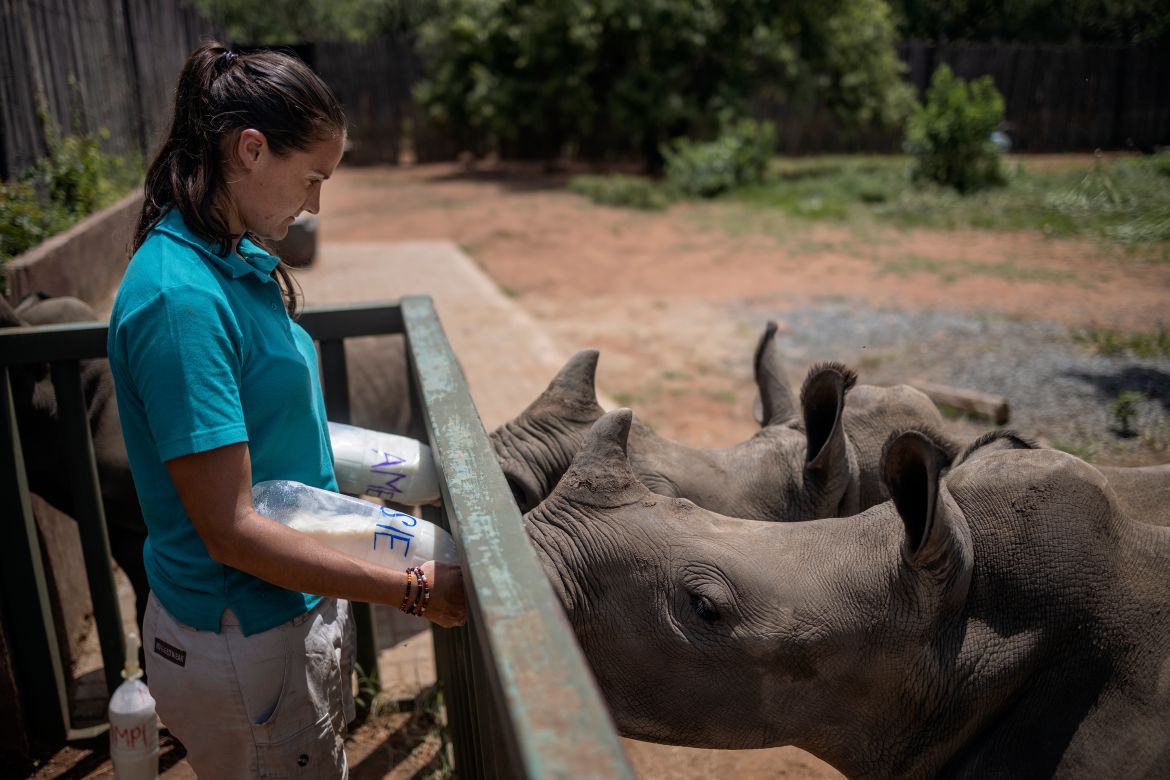
Carer Zanré Van Jaarsveld, 26, feeds the rhino calves. The mission of the orphanage is clear: rescue, rehabilitation and release. [Michele Spatari/AFP]
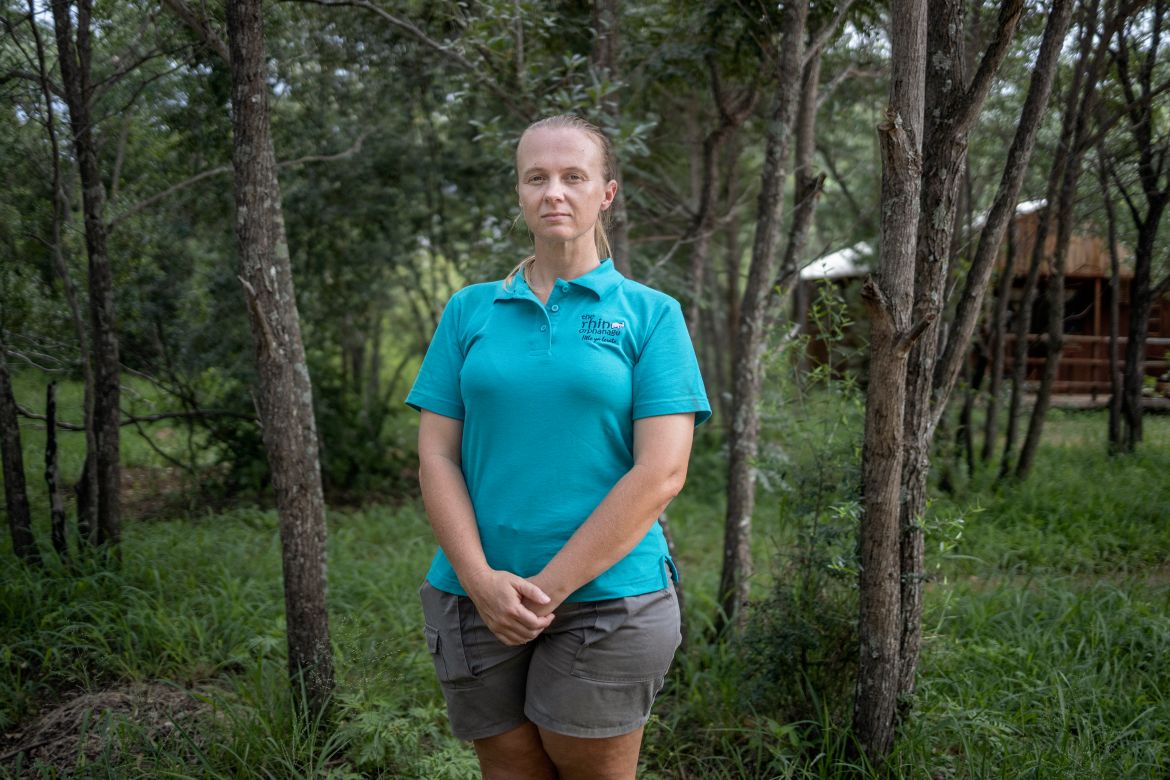
'Someone brings [us] food, or if we want to take a dinner or a bathroom break someone comes to stay with them. As soon as they are left alone they start screaming,' says manager Yolande Van Der Merwe, 38. [Michele Spatari/AFP]
Most of the baby rhinos at the orphanage are of the square-lipped species, also known as white rhino, but some of the rarer critically endangered black rhino. [Michele Spatari/AFP]
Advertisement
Van Deventer, a former history teacher turned game breeder, started the project after he was called to help with a poaching incident in 2011. [Michele Spatari/AFP]
Rhinos are killed for their horns, highly prized across Asia for medicinal purposes. One kilogramme of the keratin obtained from their horns can sell for more than US$110,000 (90,000 euros) on the black market. [Michele Spatari/AFP]

Related

  • Colombia to cull up to 80 hippos linked to drug lord Pablo Escobar

    Introduced by Pablo Escobar in the 1980s, the hippos are a tourist attraction but a headache for authorities and locals.

    Published On 13 Apr 202613 Apr 2026
    A visitor feeds a hippo at the Hacienda Napoles Park in the former ranch of drug lord Pablo Escobar. [Ivan Valencia/AP]
  • Wildlife killed, reefs damaged in ‘active’ Gulf of Mexico oil spill

    Authorities say the oil is seeping from three sources, including a vessel that has not yet been identified.

    Published On 27 Mar 202627 Mar 2026
    Members of the Mexican Navy remove tar-stained seaweed from the shoreline.
  • From: NewsFeed

    Indian farmers dress up as bears to protect crops from monkeys

    Farmers in northern India are dressing up in bear costumes to protect their crops from monkeys.

    Published On 16 Mar 202616 Mar 2026
    Video Duration 01 minutes 06 seconds play-arrow01:06
  • From: The Stream

    The truth behind wildlife tourism

    Can wildlife tourism balance conservation, land rights and profit?

    Published On 20 Feb 202620 Feb 2026
    Video Duration 24 minutes 45 seconds play-arrow24:45

More from Gallery

  • Photos: Rains revive Iraq’s wetlands after years of drought

    Iraq's marshes revived: long-awaited rains bring life back to wetlands
    This gallery article has 8 imagescamera8
  • Photos: Somalia hunger crisis worsens as drought displaces more than 500,000

    Hawa Moalim, 33, fled Wajid in the Bakool region after the drought destroyed her livelihood. She began the journey to Baidoa with her six children and the few goats that had survived, determined to give her family a chance. One by one, the animals died on the road. By the time the family arrived at Wayamo displacement camp two weeks ago, they had nothing left. "We arrived here hoping for help," she says. "But since we came, we have received nothing. There is no food, no water, and no proper shelter." Wayamo displacement camp, Baidoa, Southwest State, Somalia. [Abdulkadir Mohamed/NRC]
    This gallery article has 14 imagescamera14
  • Photos: North Korea opens museum for troops killed fighting for Russia

    North Korea opens museum for troops killed fighting for Russia
    This gallery article has 9 imagescamera9
  • Photos: Bomb attack on Colombia highway kills 19 ahead of election

    Bomb attack on Colombia highway kills 19 ahead of election
    This gallery article has 9 imagescamera9

Most popular

  • ‘Junk advice’: Iran mocks US economic pressure campaign as oil prices surge

    People attend a rally in Tehran, Iran, April 29, 2026.
  • Iran war updates: Trump tells Iran to ‘get smart soon’ amid stalled talks

    as attack kills 3 rescue workers
  • Pentagon chief Hegseth first public hearing on Iran war: Key takeaways

  • UAE quits OPEC: What that means for the Gulf, energy markets and beyond

    OPEC

  • About

    • About Us
    • Code of Ethics
    • Terms and Conditions
    • EU/EEA Regulatory Notice
    • Privacy Policy
    • Cookie Policy
    • Cookie Preferences
    • Accessibility Statement
    • Sitemap
    • Work for us
  • Connect

    • Contact Us
    • User Accounts Help
    • Advertise with us
    • Stay Connected
    • Newsletters
    • Channel Finder
    • TV Schedule
    • Podcasts
    • Submit a Tip
    • Paid Partner Content
  • Our Channels

    • Al Jazeera Arabic
    • Al Jazeera English
    • Al Jazeera Investigative Unit
    • Al Jazeera Mubasher
    • Al Jazeera Documentary
    • Al Jazeera Balkans
    • AJ+
  • Our Network

    • Al Jazeera Centre for Studies
    • Al Jazeera Media Institute
    • Learn Arabic
    • Al Jazeera Centre for Public Liberties & Human Rights
    • Al Jazeera Forum
    • Al Jazeera Hotel Partners

Follow Al Jazeera English:

  • facebook
  • twitter
  • youtube
  • instagram-colored-outline
  • rss
Al Jazeera Media Network logo
© 2026 Al Jazeera Media Network