Skip linksSkip to Content
play
Live
Navigation menu
  • News
    • Africa
    • Asia
    • US & Canada
    • Latin America
    • Europe
    • Asia Pacific
  • Middle East
  • Explained
  • Opinion
  • World Cup
  • Video
    • Features
    • Economy
    • Sport
    • Human Rights
    • Climate Crisis
    • Investigations
    • Interactives
    • In Pictures
    • Science & Technology
    • Podcasts
    • Travel
play
Live

In Pictures

Gallery|In Pictures

‘Many different Amazonias, Amazonians’: The cultures of Brazil’s Amazon

Brazil’s slice of the Amazon rainforest is home to 28 million people.

Save

Share

facebookxwhatsapp-strokecopylink
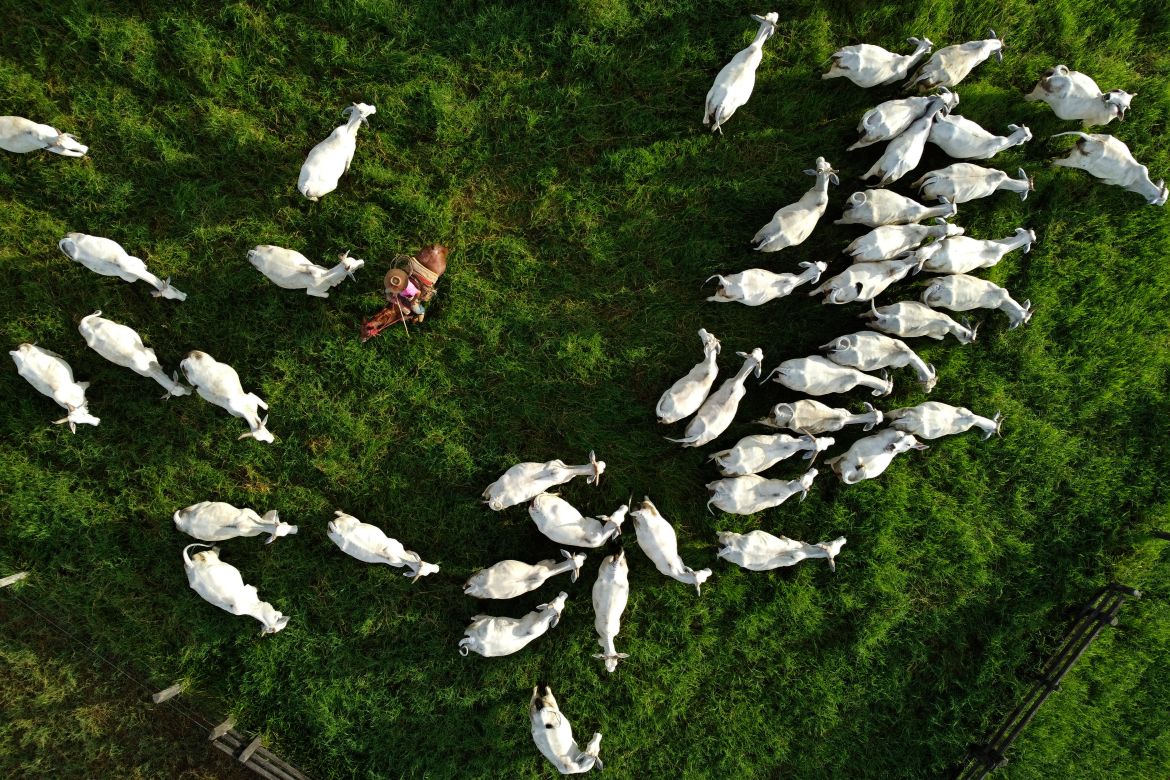
Cattle graze in the pastures of the Guachupe farm, in the rural area of the Rio Branco, Acre state, Brazil.
Cattle graze in the pastures of the Guachupe farm, in a rural area of the Rio Branco, Acre state, Brazil. [Eraldo Peres/AP Photo]
By AP
Published On 28 Nov 202328 Nov 2023

Renowned for its stunning biodiversity, the Amazon rainforest region is also home to a vast array of people and cultures.

“People usually think that the environment doesn’t contain and include people, but it does,” said soil scientist Judson Ferreira Valentim, who lives in Brazil’s Acre state. “There are many different Amazonias and many different Amazonians.”

From small villages of thatched homes to the skyline of Belem rising above mist on the river – a view sometimes called “Manhattan of the Amazon” – Brazil’s slice of the Amazon is home to 28 million people.

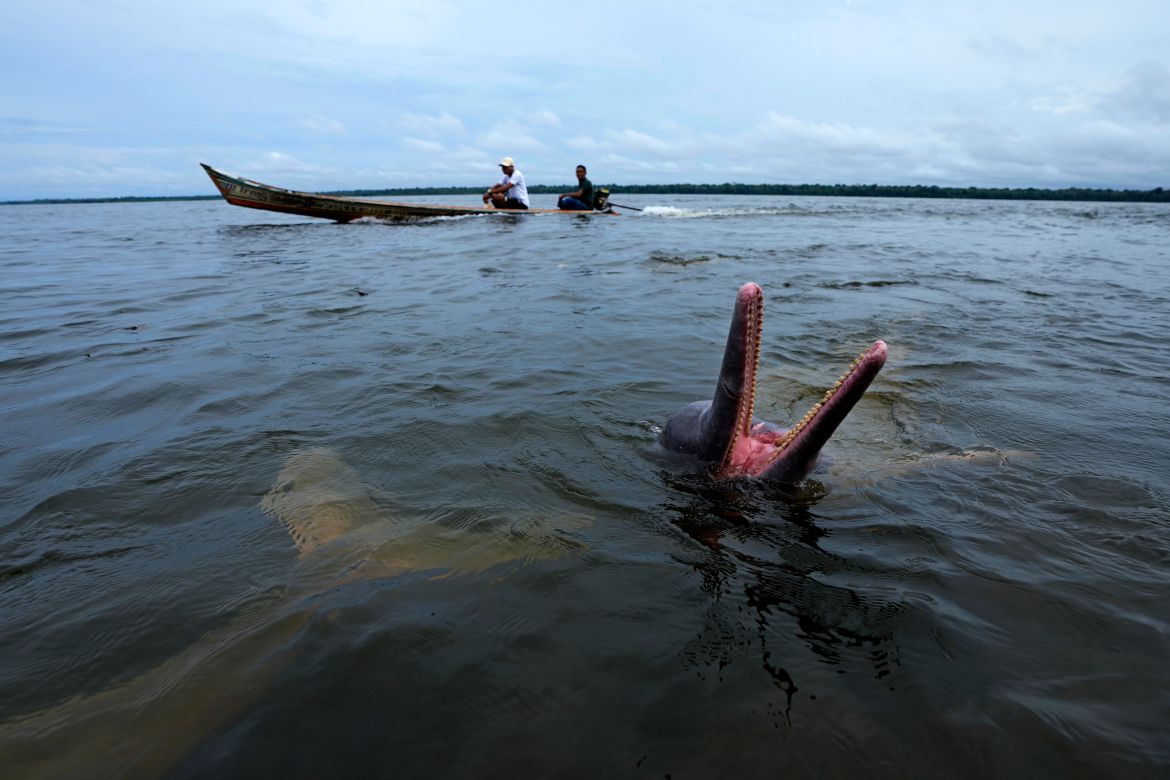
Many communities are linked by water. Along the Tocantins River, a tributary of the Amazon, yellow school boats pick up children from wooden homes on stilts, and fishers throw scraps of the day’s catch to river dolphins that frequent the docks. Families linger beside river beaches at sunset, the water a relief from the heat of the day.

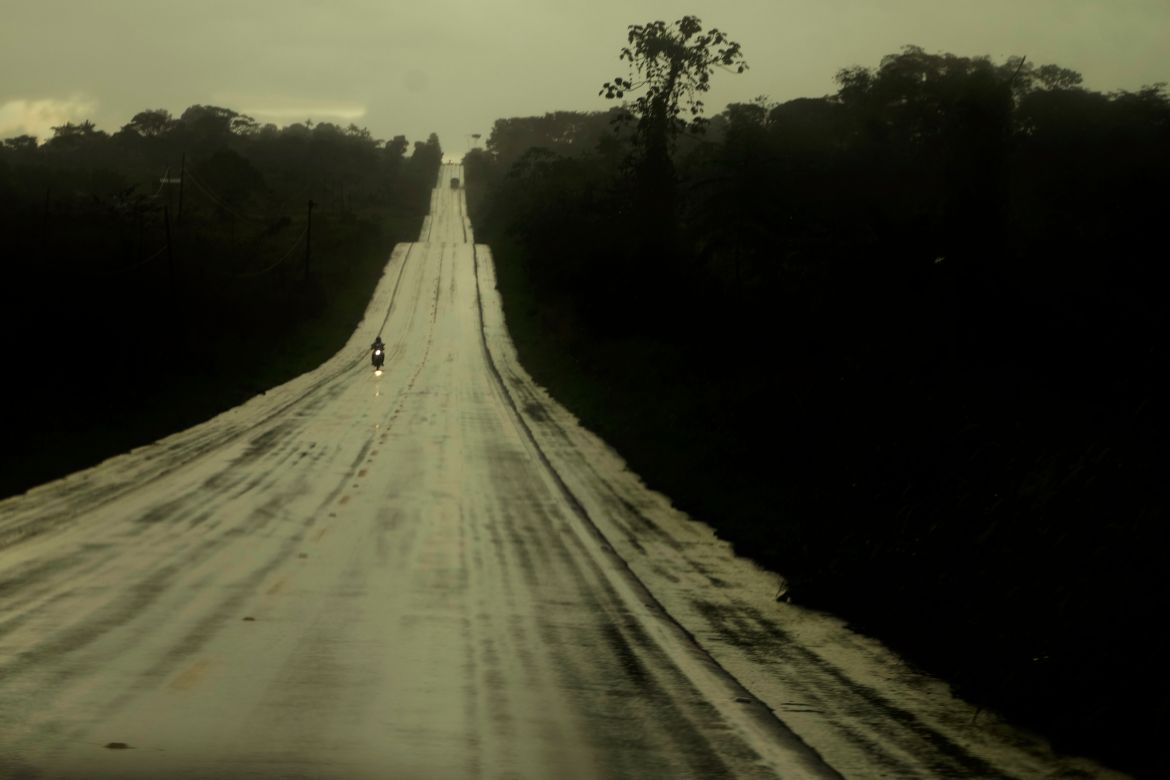
Other communities are linked by rural roads, which often wash out during heavy rains, or newly paved highways – which bring better access to schools and hospitals, but also, often, deforestation.

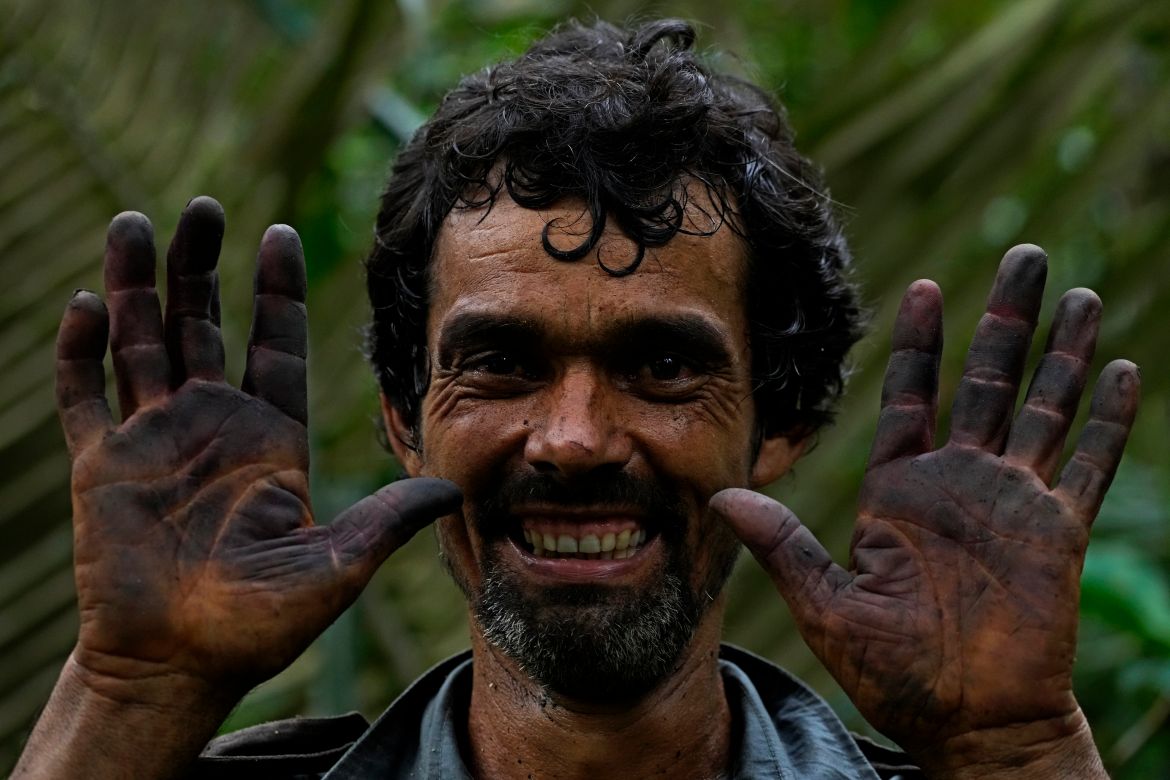
In the forest itself, there is often no path. Acai picker Edson Polinario spends his days under dappled sunlight that filters through the canopy of virgin rainforest, often with just the company of his large black dog.

One evening in the small Tembe village of Tekohaw, Maria Ilba, a woman of mixed Indigenous and African heritage, watches as a wild green parrot feeds on salt on her windowsill.

“There is an evolution – in the past, the village culture was more traditional. Now it is more mixed,” she said. “There is a school, a little hospital, and a car that can take you somewhere else if you’re very sick.”

Advertisement

She said she is grateful for such additions, but also worries that “in the future, the young people could forget the language, the culture, the foods and the tattoos”.

Changes are inevitable. She only hopes that the future will preserve what’s most essential – for the people and the forest itself.
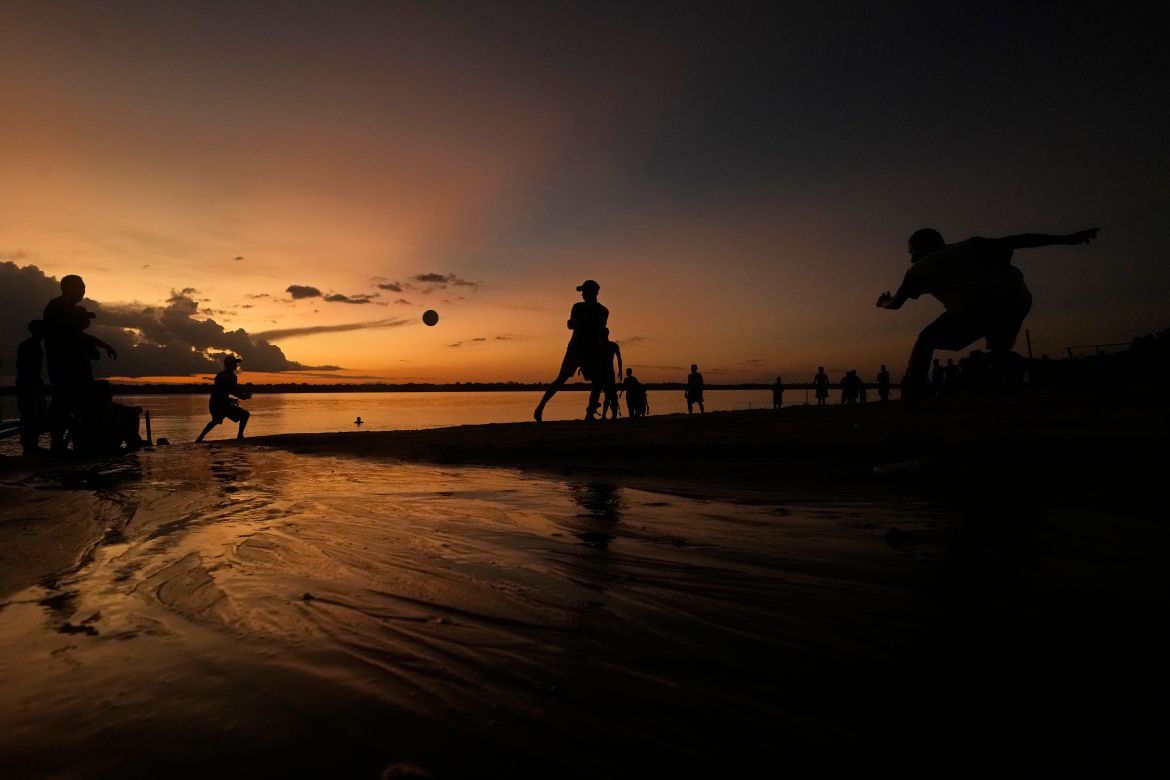
Residents play ball at sunset on the sands of the Tocantis River, in the city of Mocajuba, Para state, Brazil.
Residents play ball at sunset on the sands of the Tocantins River, in the city of Mocajuba, Para state, Brazil. [Eraldo Peres/AP Photo]
Advertisement
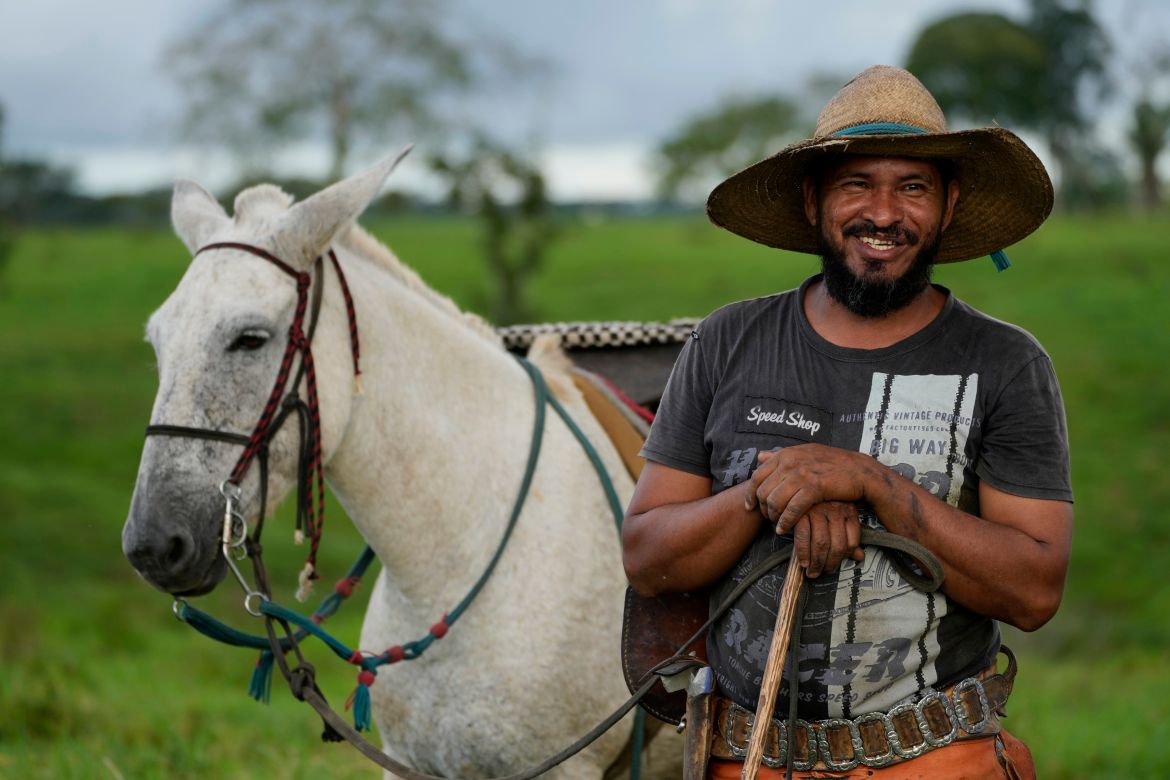
Cowboy Alexandre Rodrigues speaks after finishing work weighing and marking calves, in a corral at the Fazenda Itaituba, a farm in the municipality of Bujari, near the city of Rio Branco, Acre state, Brazil.
Cowboy Alexandre Rodrigues has just finished work weighing and marking calves, in a corral at the Fazenda Itaituba, a farm in the municipality of Bujari, near the city of Rio Branco. [Eraldo Peres/AP Photo]
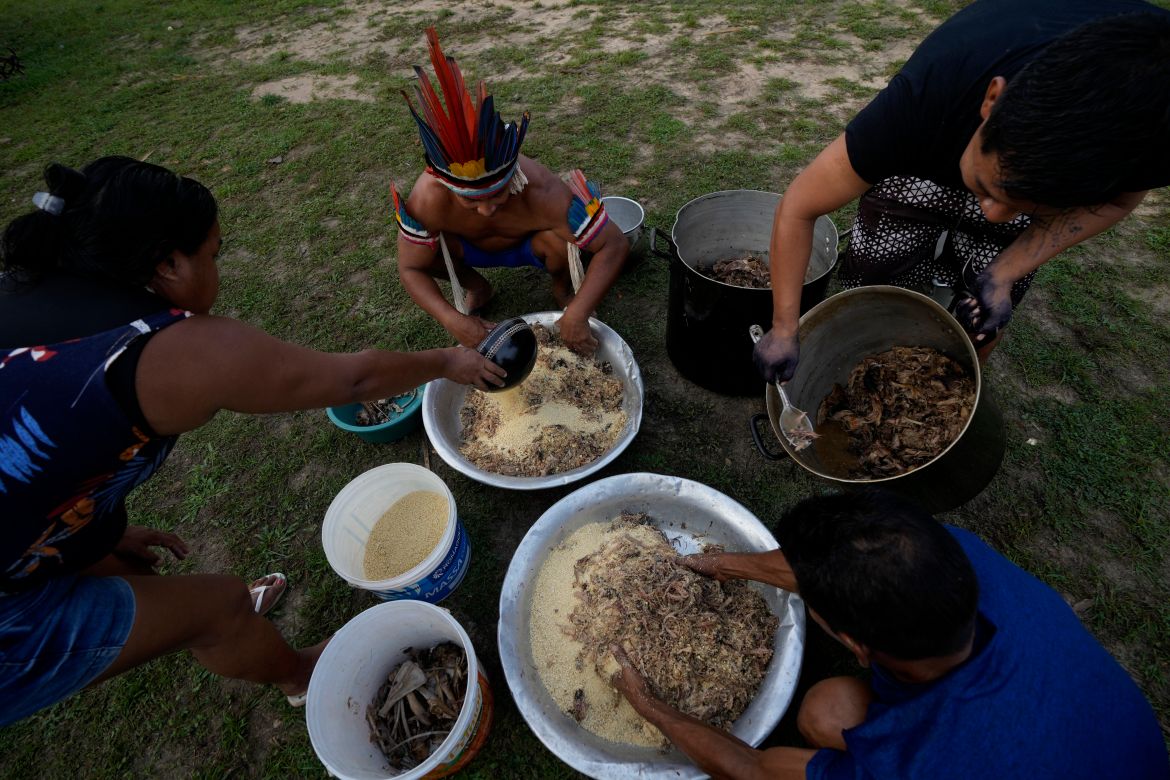
Indigenous Tembe prepare food for their community in the Tenetehar Wa Tembe village in the Alto Rio Guama Indigenous territory in the Paragominas municipality of the Para state of Brazil.
Indigenous Tembe prepare food for their community in the Tenetehar Wa Tembe village in the Alto Rio Guama Indigenous territory in the Paragominas municipality of Para state. [Eraldo Peres/AP Photo]
A traditional fisherman works in his boat in the waters of the Igarape Combu, on the shores of Ilha do Combu, near the city of Belem, Para state, Brazil.
A traditional fisherman works in his boat in the waters of the Igarape Combu, on the shores of Ilha do Combu, near the city of Belem, Para state. [Eraldo Peres/AP Photo]
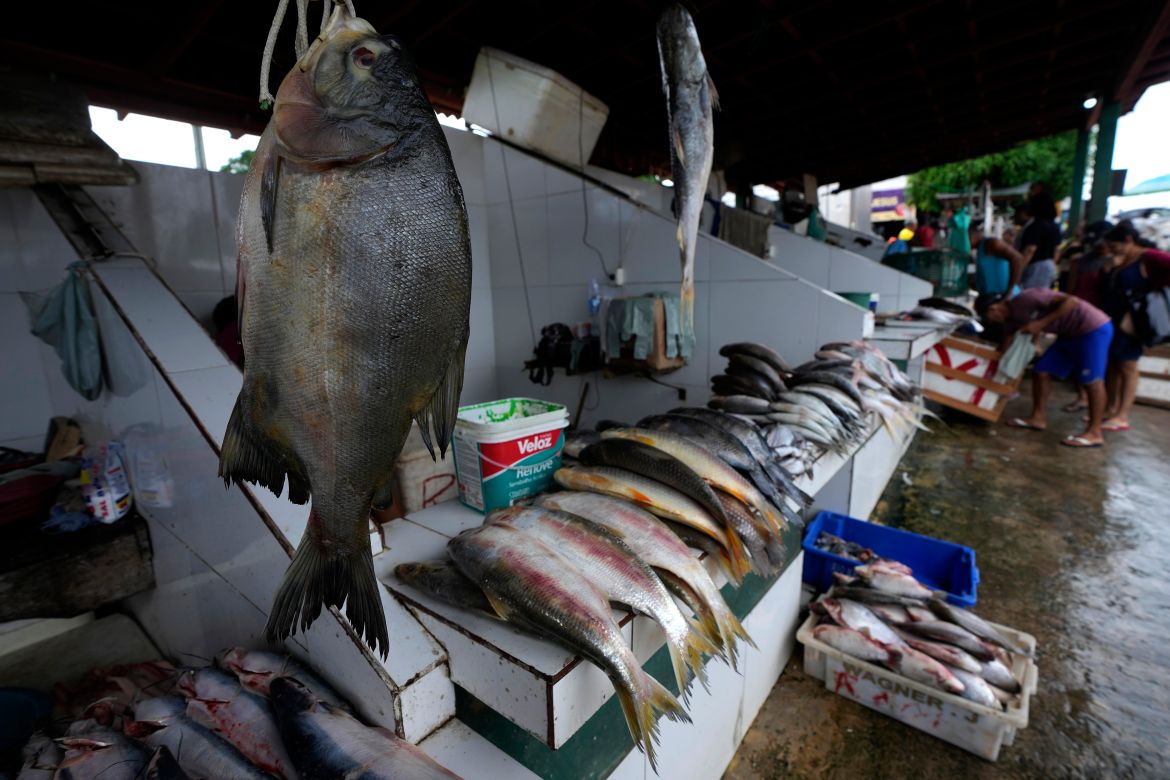
Typical fish from the Amazon rivers are displayed for sale at the Central Market on the banks of the Tocantis River, in the city of Mocajuba, Para state, Brazil.
Fish from the Amazon rivers are displayed for sale at the central market on the banks of the Tocantins River, in the city of Mocajuba, Para state. [Eraldo Peres/AP Photo]
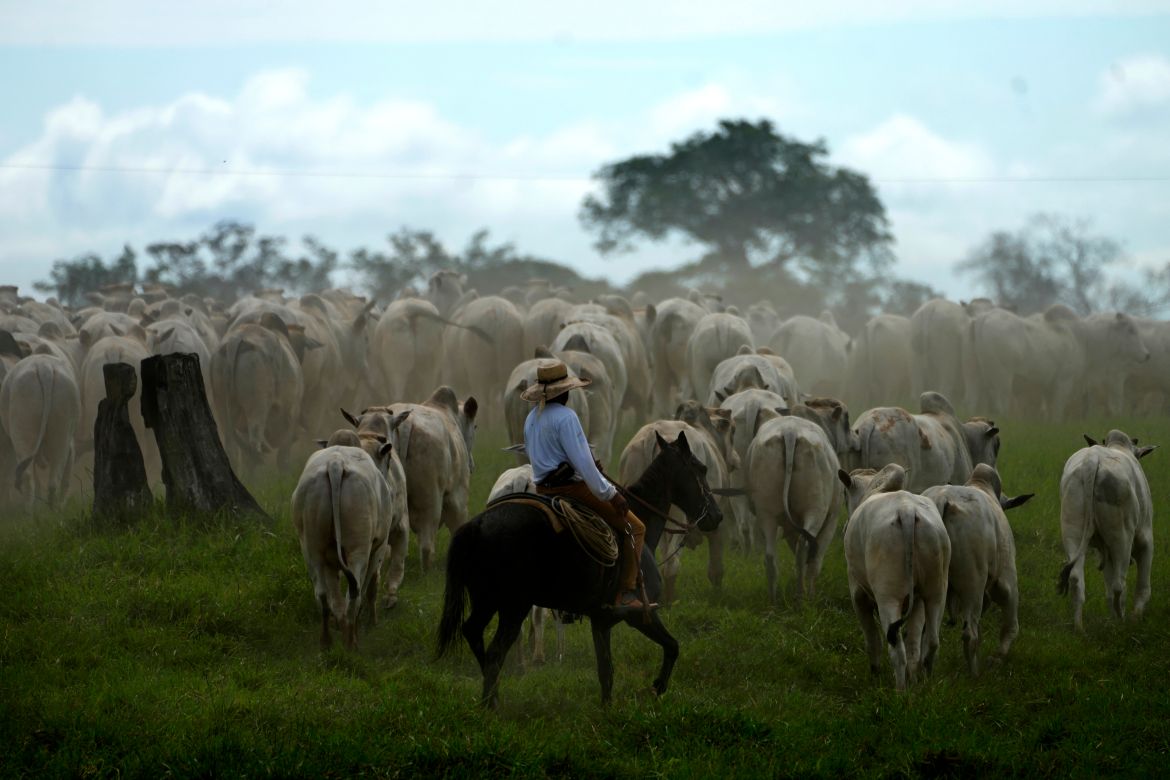
A cowboy drives a herd of cattle in the pastures of the Guachupe farm, in the rural area of the Rio Branco, Acre state, Brazil.
A cowboy drives a herd of cattle in the pastures of the Guachupe farm, in a rural area of the Rio Branco, Acre state. [Eraldo Peres/AP Photo]
Advertisement
A cowboy sorts cattle in a corral at the Fazenda Itaituba, a farm in the municipality of Bujari, near the city of Rio Branco, Acre state, Brazil.
A cowboy sorts cattle in a corral at the Fazenda Itaituba, a farm in the municipality of Bujari, near the city of Rio Branco. [Eraldo Peres/AP Photo]
Edson Polinario holds up his hands dyed blue after handling Acai fruit berries in the forest of a rural area of his property in the municipality of Nova California, state of Rondonia, Brazil.
Edson Polinario holds up his hands dyed blue after handling Acai fruit berries in the forest of a rural area of his property in the municipality of Nova California, in the state of Rondonia. [Eraldo Peres/AP Photo]
An Amazon river dolphin, known as a boto, plays in a nature preserve and tourist visitation area on the banks of the Tocantis River, in the municipality of Mocajuba, Para state, Brazil.
An Amazon river dolphin, known as a boto, plays in a nature preserve and tourist visitation area on the banks of the Tocantins River, in the municipality of Mocajuba, Para state. [Eraldo Peres/AP Photo]
Drivers travel along a road to access farms and transport agricultural products in the rural area of the Rio Branco, Acre state, Brazil.
Drivers travel along a road to access farms and transport agricultural products in the rural area of the Rio Branco, Acre state. [Eraldo Peres/AP Photo]
A family travels in a boat shaded by umbrellas next to a boat transporting wooden logs in a section of the Tocantis River, next the island of Tauare, in the municipality of Mocajuba, Para state, Brazil.
A family travels in a boat shaded by umbrellas next to one transporting wooden logs in a section of the Tocantins River, next the island of Tauare, in the municipality of Mocajuba, Para state. [Eraldo Peres/AP Photo]
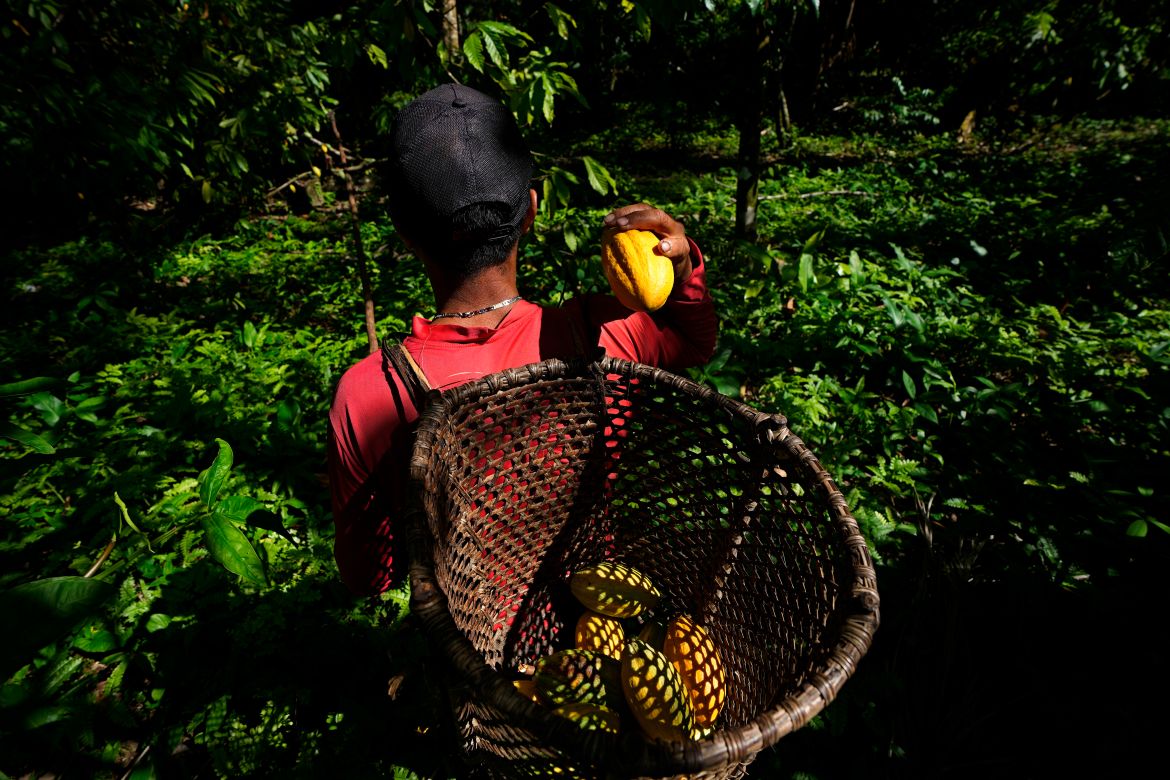
Jose Carlos, an employee at the Sitio Gimaia Tauare owned by Neilanny Maia, harvests cocoa fruits by hand, for processing by the De Mendes Chocolates company, on the island of Tauare, in the municipality of Mocajuba, Para state, Brazil.
Jose Carlos, an employee at the Sitio Gimaia Tauare owned by Neilanny Maia, harvests cocoa fruits by hand, for processing by the De Mendes Chocolates company, on the island of Tauare, in the municipality of Mocajuba. [Eraldo Peres/AP Photo]
The Acre River winds through the city of Rio Branco, Acre state, Brazil.
The Acre River winds through the city of Rio Branco. [Eraldo Peres/AP Photo]
Cowboy Diego Nascimento carries a calf to weigh and mark in a corral at the Fazenda Itaituba, a farm in the municipality of Bujari, near the city of Rio Branco, Acre state, Brazil.
Cowboy Diego Nascimento carries a calf to weigh and mark in a corral at the Fazenda Itaituba, a farm in the municipality of Bujari, near the city of Rio Branco. [Eraldo Peres/AP Photo]

Related

  • Amazon drought exposes ancient rock carvings

    The Amazon region’s worst drought in more than a century exposed human faces sculpted into stone up to 2,000 years ago.

    Published On 25 Oct 202325 Oct 2023
    A view of ancient stone carvings on a rocky point of the Amazon river
    This gallery article has 7 imagescamera7
  • Deaths of 120 Amazon dolphins linked to severe drought, high temperatures

    Amazon River’s pink, grey dolphins are a threatened species and among the few freshwater dolphins found in the world.

    Published On 3 Oct 20233 Oct 2023
    A dead dolphin is seen at the Tefe lake effluent of the Solimoes river that has been affected by the high temperatures and drought in Tefe, Amazonas state, Brazil, October 1, 2023. REUTERS/Bruno Kelly
  • Photos: Amazon rainforest faces a severe drought affecting thousands

    With river levels dropping, water transportation has stalled and hundreds of dead fish are contaminating drinking water.

    Published On 28 Sep 202328 Sep 2023
    Boat pilot Paulo Monteiro da Cruz observes dead fish at Piranha lake
    This gallery article has 9 imagescamera9
  • US trade commission files anti-trust lawsuit against online retailer Amazon

    Attorneys general from 17 states joined the Federal Trade Commission’s suit, which accuses Amazon of harming consumers.

    Published On 26 Sep 202326 Sep 2023
    Amazon

More from Gallery

  • Photos: Mexico City dazzles as 2026 World Cup kicks off in style

    Mexico City dazzles as 2026 World Cup kicks off in style
    This gallery article has 14 imagescamera14
  • Photos: India’s workers are training AI robots to take their jobs

    The Indian workers training AI robots to take their jobs
    This gallery article has 7 imagescamera7
  • Photos: Belfast police fire water cannon at anti-immigration protests

    Belfast anti-immigrant protesters
    This gallery article has 7 imagescamera7
  • Photos: Anti-immigration protests break out in Belfast after knife attack

    Belfast
    This gallery article has 7 imagescamera7

Most popular

  • Trump ‘cancels scheduled strikes’ on Iran, says deal ‘approved’

    Trump
  • Mexico open World Cup with 2-0 win against nine-man South Africa – updates

    Mexico's Raul Jimenez scores their second goal
  • Trump calls off third night of Iran strikes after threatening Kharg Island

    FILE PHOTO: A satellite image shows likely oil spill covering dozens of square kilometers near Iran's Kharg Island, May 6, 2026. EUROPEAN UNION/COPERNICUS SENTINEL-2/Handout via REUTERS THIS IMAGE HAS BEEN SUPPLIED BY A THIRD PARTY. MANDATORY CREDIT./File Photo
  • Did US sneak 100 million barrels of oil out of Hormuz, as Trump claims?

    Hundreds of ships remain stranded in the Strait of Hormuz after Iran closed the waterway

  • About

    • About Us
    • Code of Ethics
    • Terms and Conditions
    • EU/EEA Regulatory Notice
    • Privacy Policy
    • Cookie Policy
    • Cookie Preferences
    • Accessibility Statement
    • Sitemap
    • Work for us
  • Connect

    • Contact Us
    • User Accounts Help
    • Advertise with us
    • Stay Connected
    • Newsletters
    • Channel Finder
    • TV Schedule
    • Podcasts
    • Submit a Tip
    • Paid Partner Content
  • Our Channels

    • Al Jazeera Arabic
    • Al Jazeera English
    • Al Jazeera Investigative Unit
    • Al Jazeera Mubasher
    • Al Jazeera Documentary
    • Al Jazeera Balkans
    • AJ+
  • Our Network

    • Al Jazeera Centre for Studies
    • Al Jazeera Media Institute
    • Learn Arabic
    • Al Jazeera Centre for Public Liberties & Human Rights
    • Al Jazeera Forum
    • Al Jazeera Hotel Partners

Follow Al Jazeera English:

  • facebook
  • twitter
  • youtube
  • instagram-colored-outline
  • rss
Al Jazeera Media Network logo
© 2026 Al Jazeera Media Network