Skip linksSkip to Content
play
Live
Navigation menu
  • News
    • Africa
    • Asia
    • US & Canada
    • Latin America
    • Europe
    • Asia Pacific
  • Middle East
  • Explained
  • Opinion
  • Sport
  • Video
    • Features
    • Economy
    • Human Rights
    • Climate Crisis
    • Investigations
    • Interactives
    • In Pictures
    • Science & Technology
    • Podcasts
    • Travel
play
Live

In Pictures

Gallery|Mining

Senegal’s gold rush brings hope and despair

The search for the precious metal has dramatically transformed Bantakokouta, a Senegalese town on the borders of Mali and Guinea.
Save

Share

facebookxwhatsapp-strokecopylink
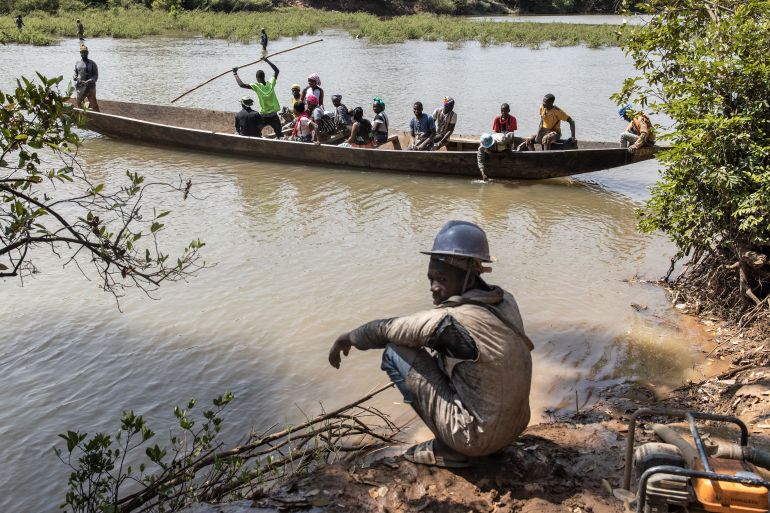
Artisanal gold miners cross The Gambia river at the Bantakokouta gold mine
Artisanal gold miners cross the Gambia River at the Bantakokouta gold mine. [John Wessels/AFP]
By AFP
Published On 29 Mar 202329 Mar 2023

Mohamed Bayoh climbed into the deep, pitch-black hole, hoping to emerge with a nugget that would change his life.

The 26-year-old Guinean is one of thousands of people from across West Africa who have arrived in remote eastern Senegal in search of gold.

The rush for the precious metal has dramatically transformed Bantakokouta, a town on the borders of Mali and Guinea.

Two decades ago, the locals numbered just a few dozen. Now, there are several thousand on the back of a floating population of dream seekers and risk takers with gold in their eyes.

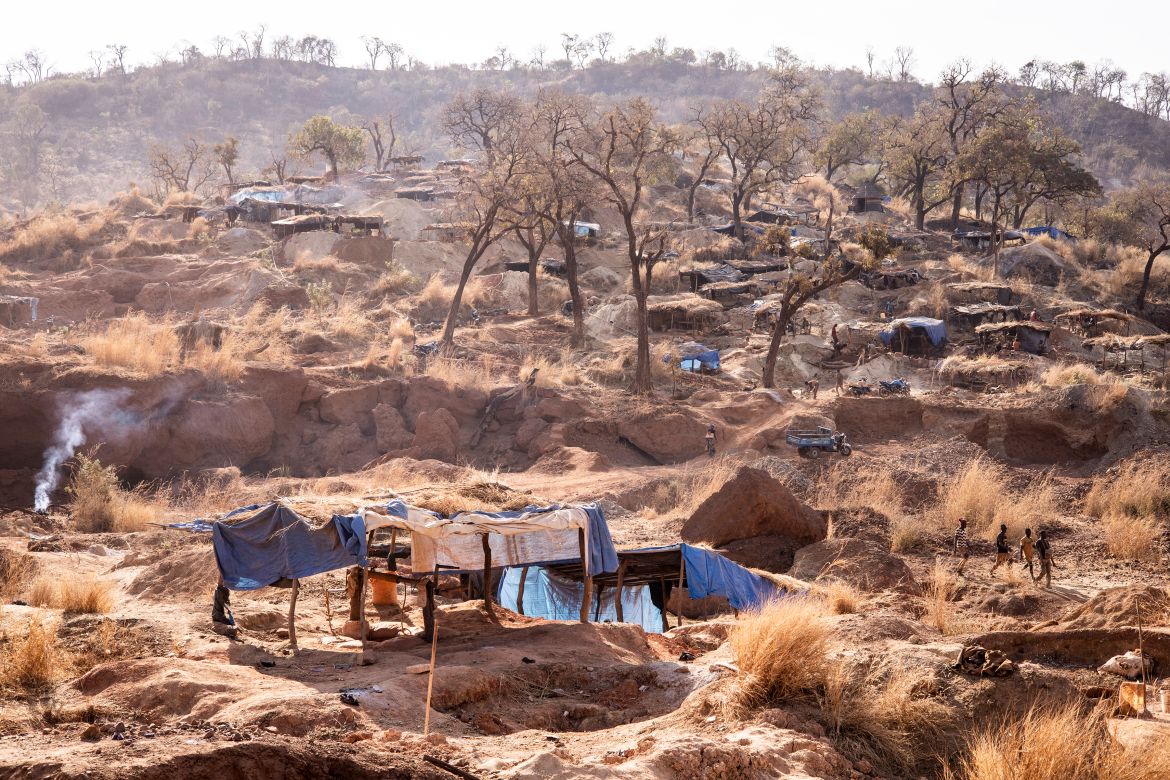
Over time, their ant-like labour has left the landscape looking like Swiss cheese.

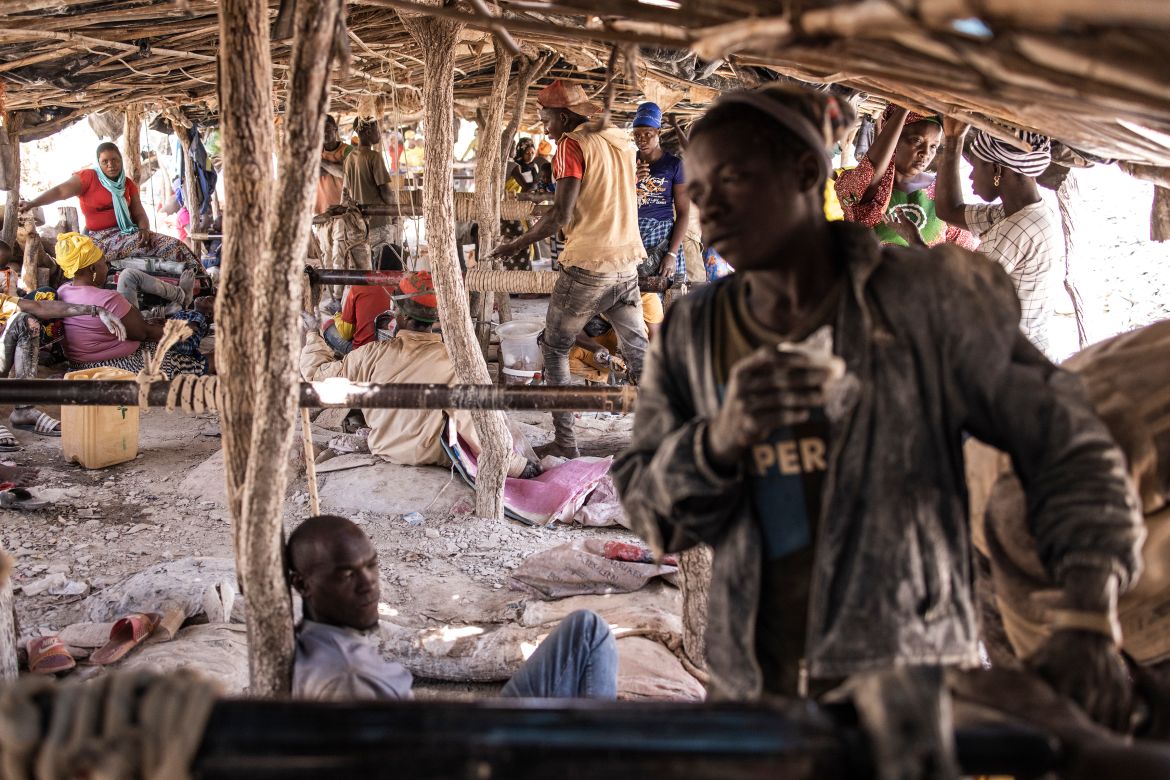
As far as the eye can see, through the pervasive dusty mist, small huddled groups protected from the sun by makeshift branch shelters haul up spoil scratched from the ground.

“Working here is like playing the lottery – you are never sure of winning,” sighed Bayoh, who said was clear in his objective: To “find a lot of gold,” he said.

“Not a little … a lot. To start another life in Guinea.”

After six months’ gruelling work, he had earned enough to buy two motorbikes.

One gramme (0.03 of an ounce) of gold – roughly equivalent to 60 grains of rice – brings in 30,000 Central African francs (CFA francs), or about $48.

But the risks facing miners are many, from landslides, cuts and fatal falls to the use of drugs to dull aches and pains, said Diba Keita, head of a community vigilance committee.

The town itself bears the signs of poverty and transience.

Its alleys are littered with rubbish, and goats and sheep roam untended. The vast majority of the huts are rudimentary constructions, made of bamboo and brushwood.

Advertisement

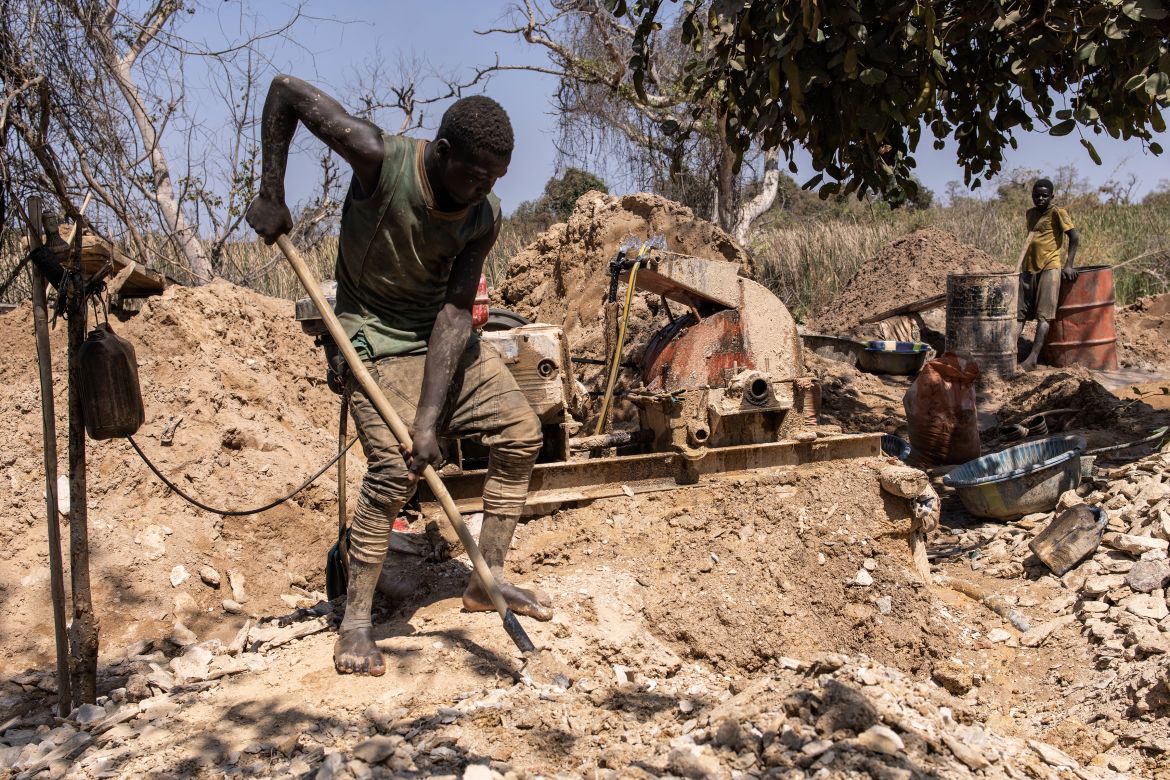
In his workshop, Souleymane Segda, a 20-year-old from Burkina Faso, put crushed pieces of promising-looking ore through a grinder.

The apparatus takes up most of his room, which has no toilet and doubles as his bedroom.

The young man is covered in dirt as he sifts through the dust in search of flecks of gold.

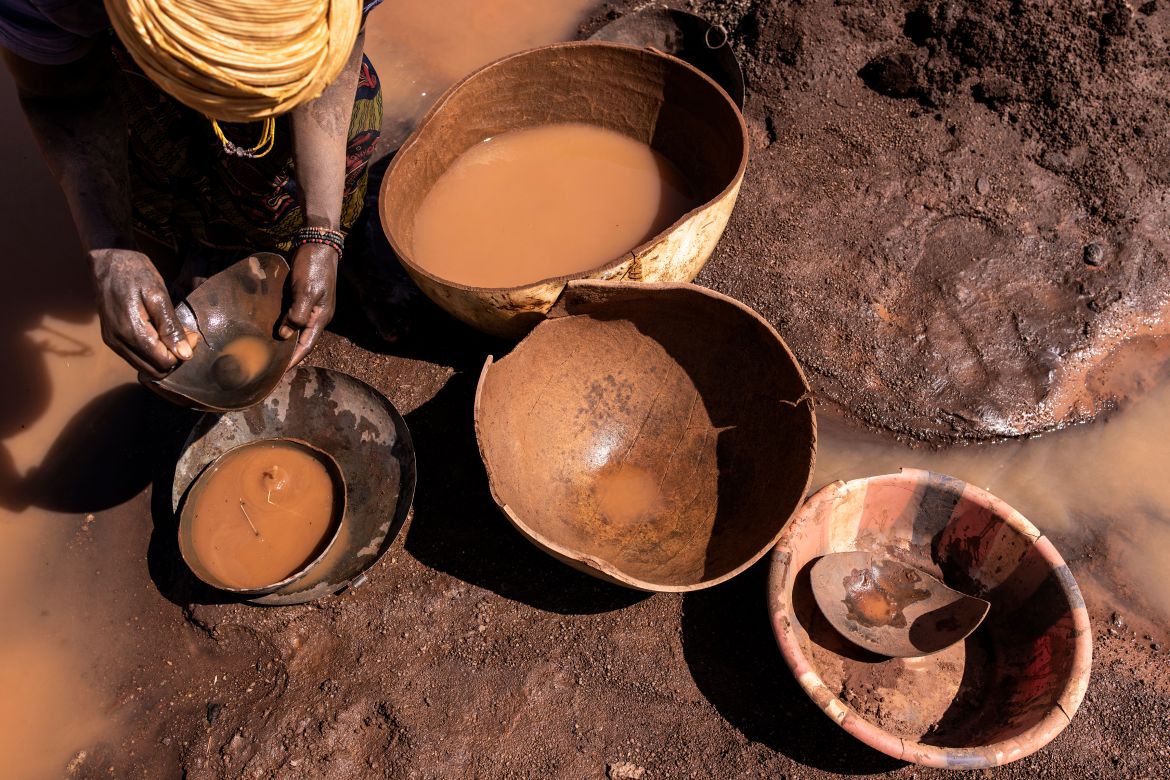
The flakes are recovered after washing the dust with mercury – a practice that is banned because of its health and environmental risks, but which remains widespread.

“I can earn up to 50,000 CFA francs ($82) a day. I go back home as much as I can and when I’ll have earned enough, I will leave for good,” he said.

Bantakokouta has experienced a surge of activities typical of gold rushes around the world – an influx of stores selling tools and electronic goods, places of worship, a medical post, nightclubs and video gaming rooms, as well as crime and vice.

“The gold has brought wealth. In the past, we used to go to Mako,” said Waly Keita, 63, referring to a town 20km (12 miles) away.

He recalled with nostalgia the time when “our mums” used to dig in the river bed, searching for nuggets, while the men went into the bush to hunt and collect honey.

But the gold rush has also brought problems, including “banditry” and “conflict”, he said.

The Senegalese and foreigners generally get on well in Bantakokouta, although flare-ups do occur.

In 2020, clashes between security forces and Guinean miners resulted in the death of two young men.

“Prostitution has become a major problem,” said Aliou Bakhoum, head of an NGO called La Lumiere (The Light) in the regional capital, Kedougou.

“Young women, mainly from Nigeria and often underage, fall victim to highly organised trafficking.”

He said his association had taken in about 40 girls, some as young as 15, and was helping them to return home.

The trafficking has prompted the state to beef up vigilance and invest heavily in security and intelligence, a senior administrative official who wished to remain anonymous said.

The authorities have also intensified operations to secure the border with Mali, fearing a violence spillover from its deeply troubled neighbour.

The Kedougou region of southeastern Senegal suffers from more than 25 percent unemployment, a poverty rate of more than 70 percent and a worrying school drop-out rate.

As living conditions fall, many young people are tempted to try their luck in the mines.

But many emerge disappointed, and willing to resort to just about anything.
Artisanal gold miners cross The Gambia river at the Bantakokouta gold mine
Bantakokouta has the second-largest artisanal gold mining site in southeastern Senegal. The town in recent years has more than doubled in size, with the recent gold rush estimated to have attracted workers from 19 different countries. [John Wessels/AFP]
Advertisement
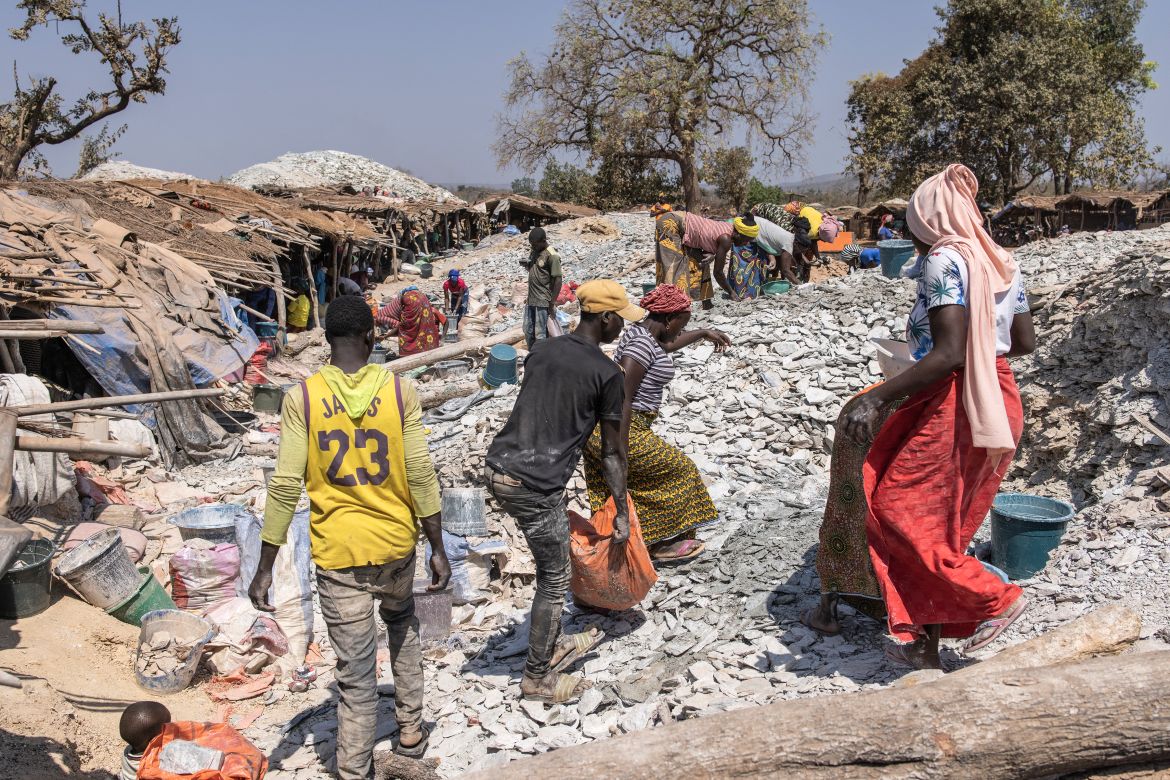
Artisanal gold miners walk through the Karakaene gold mine
Artisanal gold miners walk through the Karakaene gold mine. Most of the gold is extracted and sold off in neighbouring Mali, where the price is higher. [John Wessels/AFP]
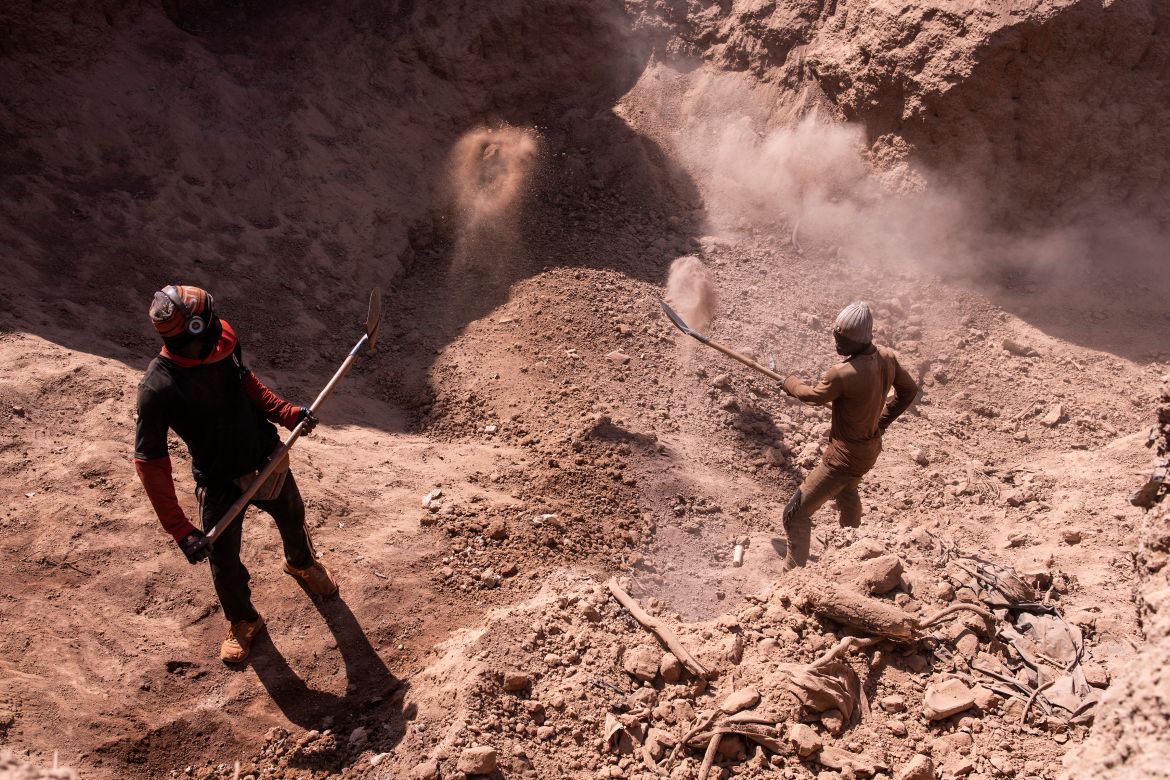
Artisanal gold miners dig into the cliffs at the Karakaene gold mine
Gold miners dig into the cliffs at the Karakaene gold mine. [John Wessels/AFP]
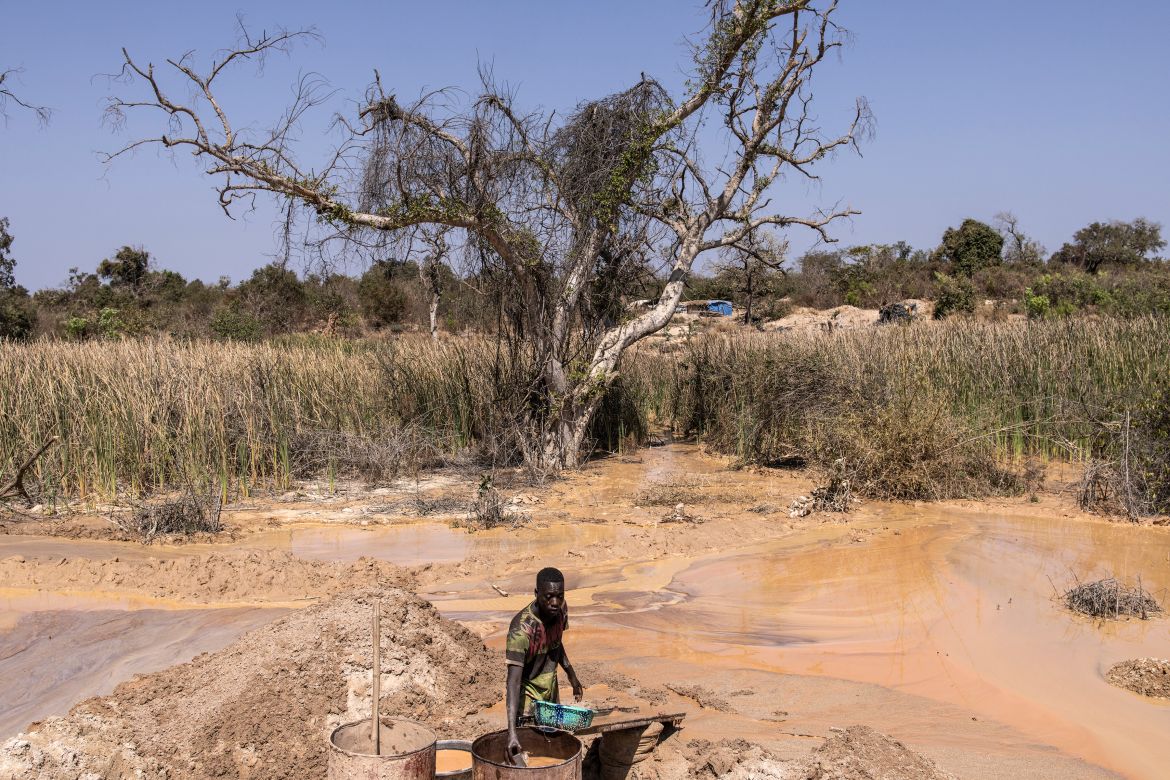
An artisanal miner pans for gold at the Karakaene gold mine
An artisanal miner pans for gold. [John Wessels/AFP]
An artisanal miner pans for gold at the Karakaene gold mine
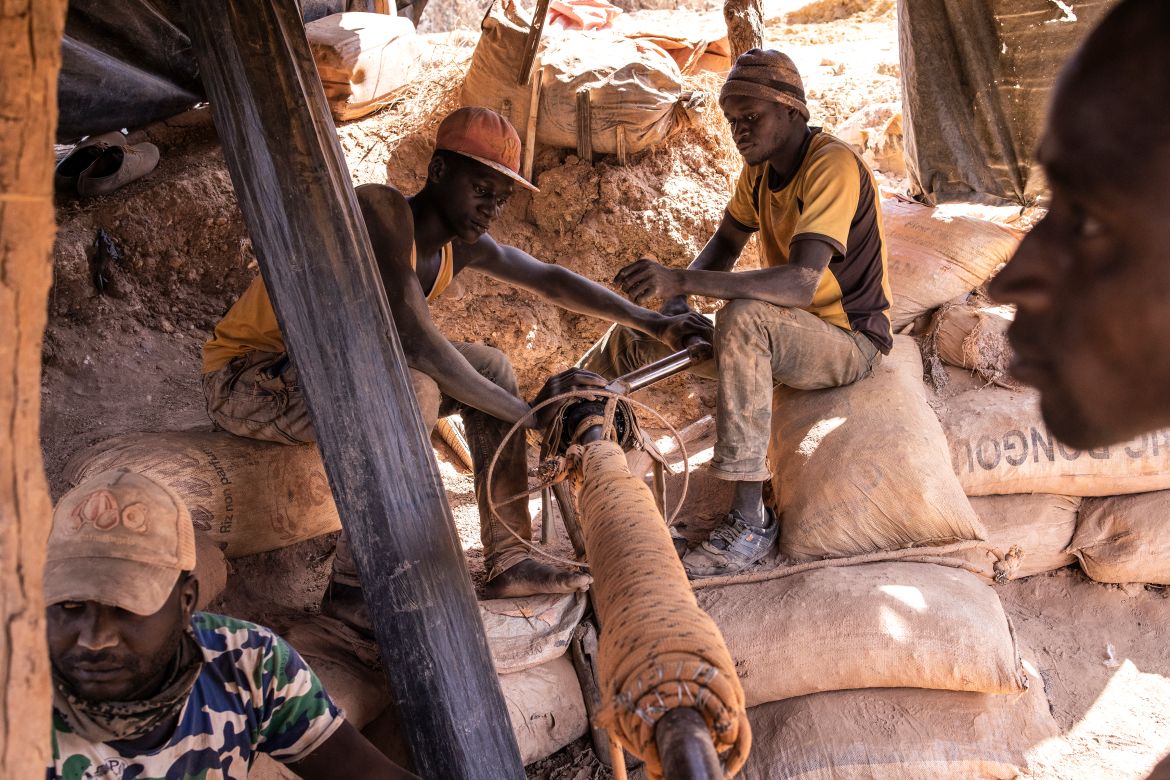
A miner digs at the Bantakokouta gold mine. The rush for the precious metal has dramatically transformed Bantakokouta, a town on the borders of Mali and Guinea. [John Wessels/AFP]
Artisanal gold miners search for gold at the Bantakokouta gold mine
Miners carry ore at the Bantakokouta mine. Other sites in the gold-rich region have been taken over by mining corporations, sometimes triggering land disputes with local people. [John Wessels/AFP]
Advertisement
Artisanal gold miners search for gold at the Bantakokouta gold mine
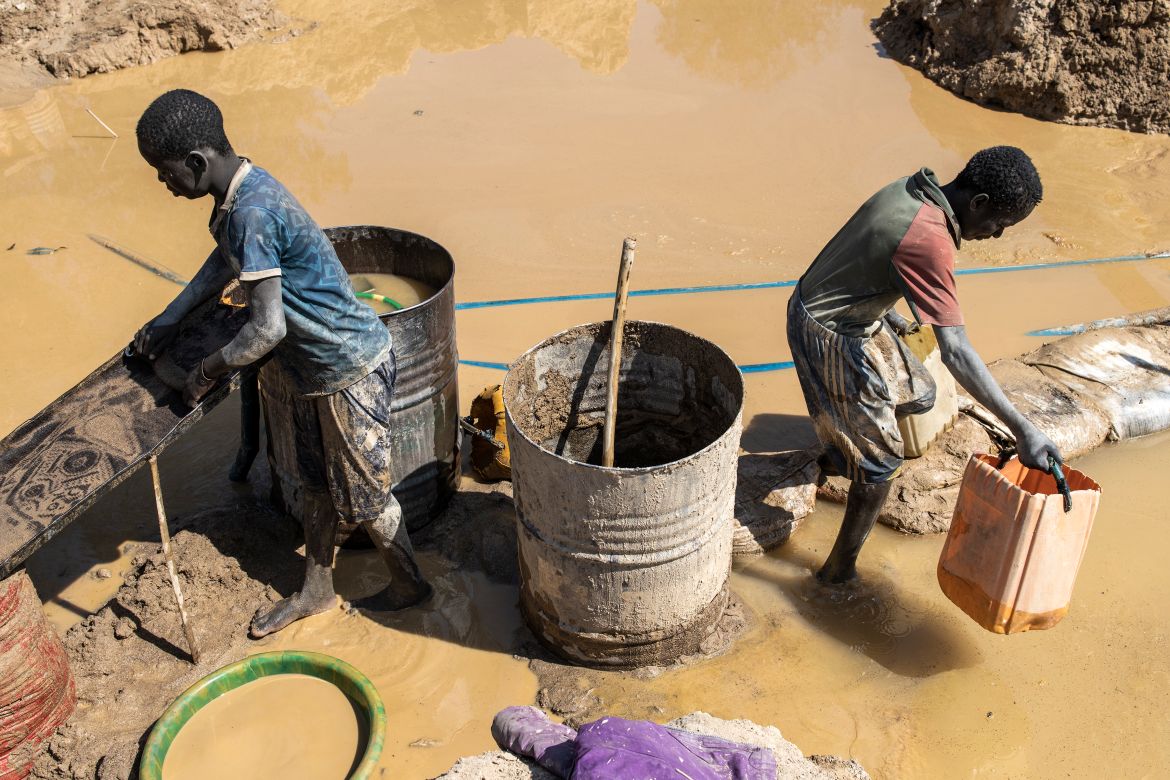
Young miners pan for gold at the Bantakokouta mine. [John Wessels/AFP]
Artisanal gold miners search for gold at the Bantakokouta gold mine
Miners lift a sack of ore from a pit at the Karakaene mine. [John Wessels/AFP]
An artisanal gold miner pans for gold at the Bantakokouta gold mine
A miner pans for gold at the Bantakokouta mine. [John Wessels/AFP]

Related

  • A vanishing coast and the search for solutions in Senegal

    Senegalese communities battle with climate-driven rising sea levels that disrupt habitats and threaten livelihoods.

    Published On 23 Mar 202323 Mar 2023
    [Virginia Pietromarchi/Al Jazeera]
  • Unrest in Senegal as police clash with opposition supporters

    Ousmane Sonko, widely supported by many Senegalese youth, is facing trial this week in a civil libel case.

    Published On 16 Mar 202316 Mar 2023
    Senegalese opposition leader Ousmane Sonko greets his supporters as he arrives to attend the protest to demand the release of alleged political prisoners ahead of his court appearance on Thursday on libel charges in Dakar
  • Senegal opposition leader Sonko to face trial over rape charges

    Some opposition leaders and Sonko’s supporters fear the case is an attempt by Senegal’s president to remove a rival.

    Published On 19 Jan 202319 Jan 2023
    Senegal's opposition leader Ousmane Sonko
  • African musicians converge in Senegal for annual awards ceremony

    The event was the eighth edition of AFRIMA and the first to be held in a French-speaking country.

    Published On 16 Jan 202316 Jan 2023
    Singer Didi B from Ivory Coast receives the song of the year award at the Afrima, All Africa Music Awards

More from Gallery

  • Photos: Somalia hunger crisis worsens as drought displaces more than 500,000

    Hawa Moalim, 33, fled Wajid in the Bakool region after the drought destroyed her livelihood. She began the journey to Baidoa with her six children and the few goats that had survived, determined to give her family a chance. One by one, the animals died on the road. By the time the family arrived at Wayamo displacement camp two weeks ago, they had nothing left. "We arrived here hoping for help," she says. "But since we came, we have received nothing. There is no food, no water, and no proper shelter." Wayamo displacement camp, Baidoa, Southwest State, Somalia. [Abdulkadir Mohamed/NRC]
    This gallery article has 14 imagescamera14
  • Photos: North Korea opens museum for troops killed fighting for Russia

    North Korea opens museum for troops killed fighting for Russia
    This gallery article has 9 imagescamera9
  • Photos: Bomb attack on Colombia highway kills 19 ahead of election

    Bomb attack on Colombia highway kills 19 ahead of election
    This gallery article has 9 imagescamera9
  • Photos: Chornobyl’s ‘liquidators’ return 40 years after nuclear disaster

    Survivors return to Chernobyl, 40 years after devastating explosion
    This gallery article has 15 imagescamera15

Most popular

  • Iran’s army says ‘it is still a war situation’ despite ceasefire

    Smoke rises following explosions in southern Lebanon, near the Israel-Lebanon border, as seen from northern Israel, April 27, 2026.
  • UAE leaves OPEC in blow to oil cartel during war on Iran

    Window of OPEC building with the blue logo.
  • The cost of 76 years of US wars, from Korea to Iran

    Interactive_CostofUS_wars_outsideimage-1777375618
  • What are OPEC and OPEC +, and why has the UAE quit?

    FILE - A photographer takes pictures of the Khurais oil field during a tour for journalists, 150 km east-northeast of Riyadh, Saudi Arabia, June 28, 2021. A cut in oil production is on the table when OPEC oil-producing countries meet Wednesday. The OPEC+ alliance that includes Saudi Arabia and Russia is weighing a cut of a million barrels per day or more. The idea is to boost oil prices that have fallen from summer highs of over $100 to around $80 for U.S. crude. (AP Photo/Amr Nabil, File)

  • About

    • About Us
    • Code of Ethics
    • Terms and Conditions
    • EU/EEA Regulatory Notice
    • Privacy Policy
    • Cookie Policy
    • Cookie Preferences
    • Accessibility Statement
    • Sitemap
    • Work for us
  • Connect

    • Contact Us
    • User Accounts Help
    • Advertise with us
    • Stay Connected
    • Newsletters
    • Channel Finder
    • TV Schedule
    • Podcasts
    • Submit a Tip
    • Paid Partner Content
  • Our Channels

    • Al Jazeera Arabic
    • Al Jazeera English
    • Al Jazeera Investigative Unit
    • Al Jazeera Mubasher
    • Al Jazeera Documentary
    • Al Jazeera Balkans
    • AJ+
  • Our Network

    • Al Jazeera Centre for Studies
    • Al Jazeera Media Institute
    • Learn Arabic
    • Al Jazeera Centre for Public Liberties & Human Rights
    • Al Jazeera Forum
    • Al Jazeera Hotel Partners

Follow Al Jazeera English:

  • facebook
  • twitter
  • youtube
  • instagram-colored-outline
  • rss
Al Jazeera Media Network logo
© 2026 Al Jazeera Media Network