Skip linksSkip to Content
play
Live
Navigation menu
  • News
    • Africa
    • Asia
    • US & Canada
    • Latin America
    • Europe
    • Asia Pacific
  • Middle East
  • Explained
  • Opinion
  • Sport
  • Video
    • Features
    • Economy
    • Human Rights
    • Climate Crisis
    • Investigations
    • Interactives
    • In Pictures
    • Science & Technology
    • Podcasts
    • Travel
play
Live

In Pictures

Features|Women

Women in remote Guatemala find strength in shared voices

Over 500 women in Baja Verapaz and Chimaltenango unite in clubs to foster self-worth, community support and confidence.
Save

Share

facebookxwhatsapp-strokecopylink
Through Well-Being Club sessions in Guatemala, women find their voice, strengthen self-esteem, and heal together.
Through Well-Being Club sessions in Guatemala, women find their voice, strengthen self-esteem, and heal together. [Luis Pedro Lara/IOM]
By Melisa Kljuca
Published On 17 Oct 202517 Oct 2025

San Miguel Chicaj, Guatemala — In the remote highlands of Baja Verapaz, women are rediscovering their strength through a simple yet powerful tool: their voices. For generations, Indigenous women in Guatemala have carried families and traditions, but their own wellbeing often came last.

Now, through “Well-Being Clubs” supported by the International Organization for Migration (IOM), silence is giving way to self-esteem, healing and resilience.

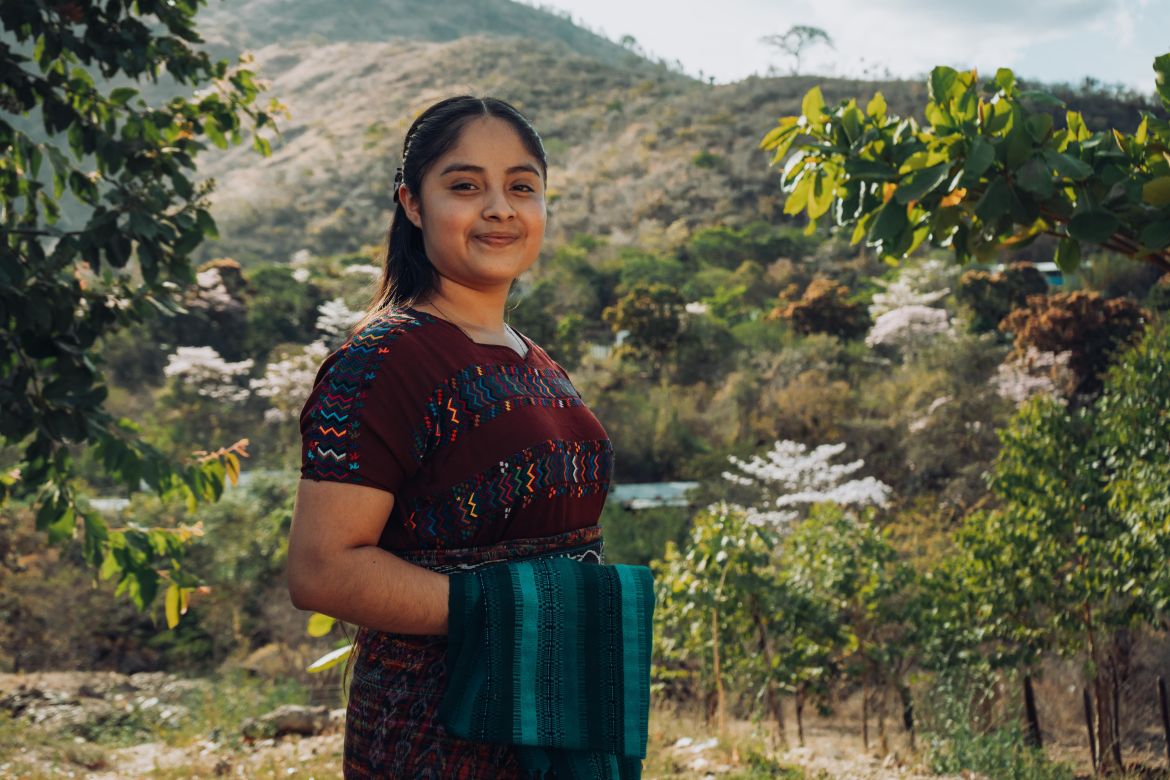
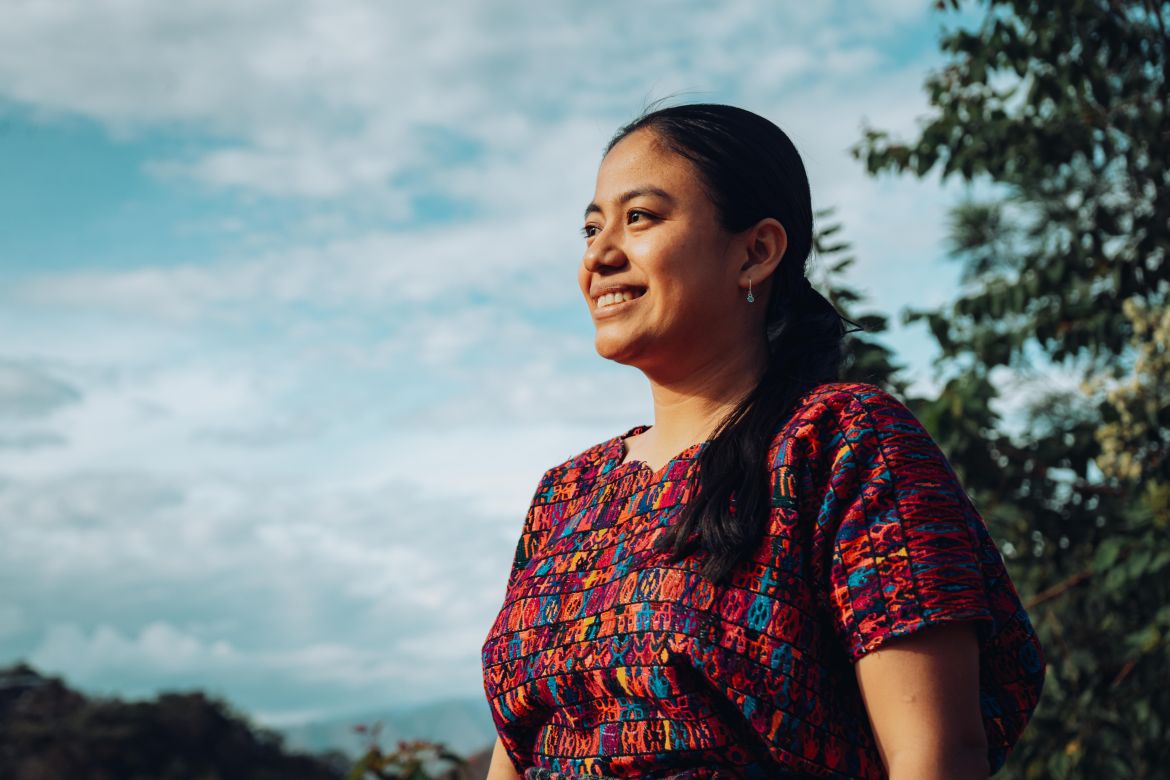
“Many women suffer from a lack of love and respect,” says Reina from San Miguel Chicaj. “We need to know ourselves, value ourselves, and strengthen our self-esteem.”

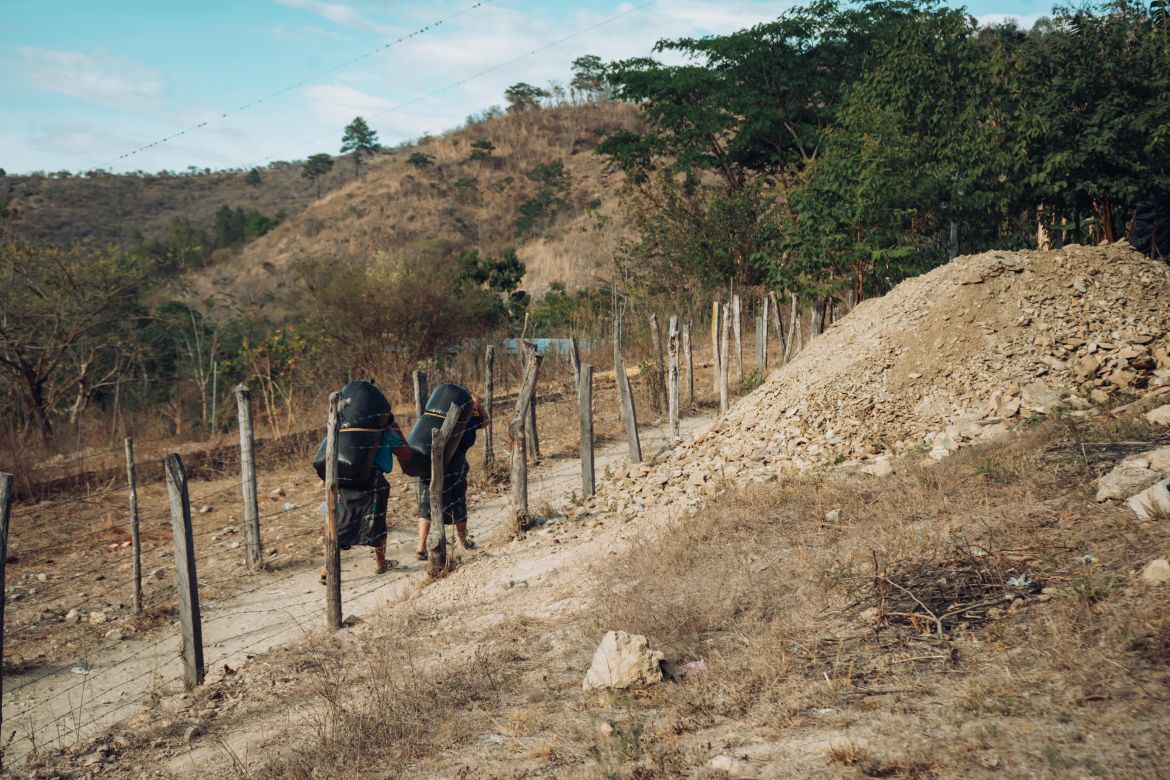
San Miguel Chicaj, home to 33,000 people, belongs to the Achi Maya territory, where farming and weaving keep centuries-old traditions alive. Yet isolation leaves many women feeling invisible. “Sometimes we’re overlooked because our villages are so far away,” says Norma, a young participant.

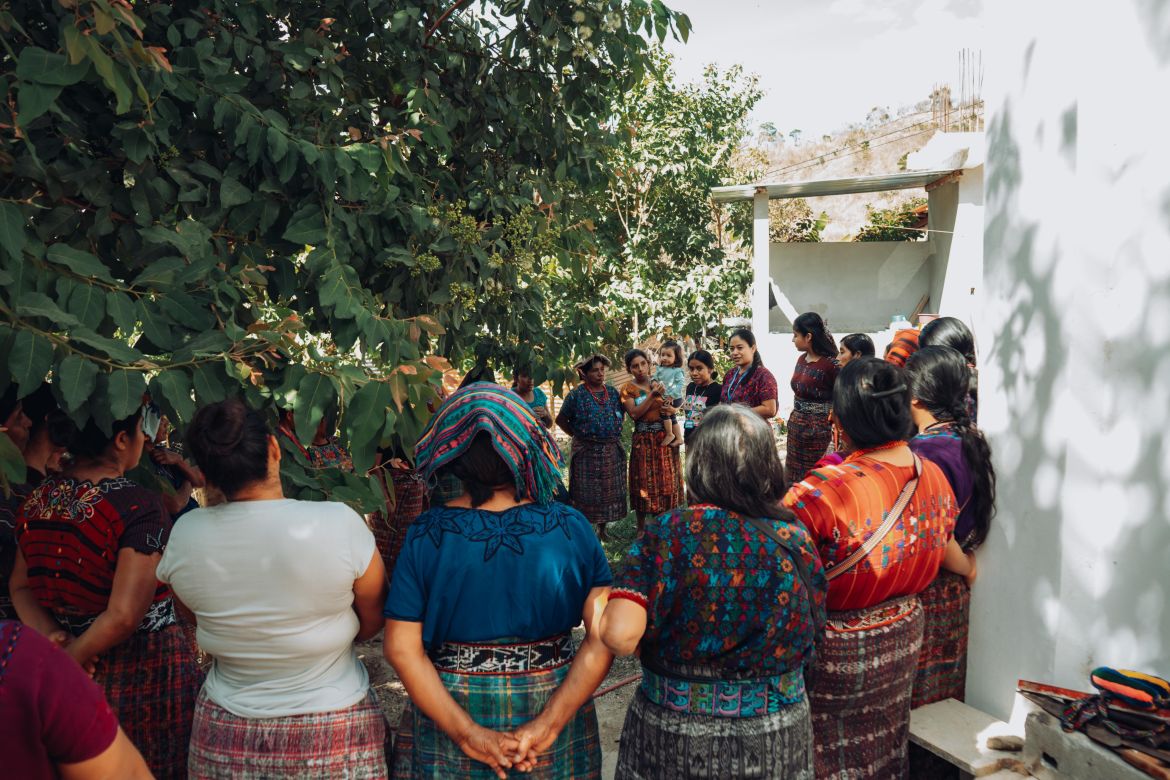
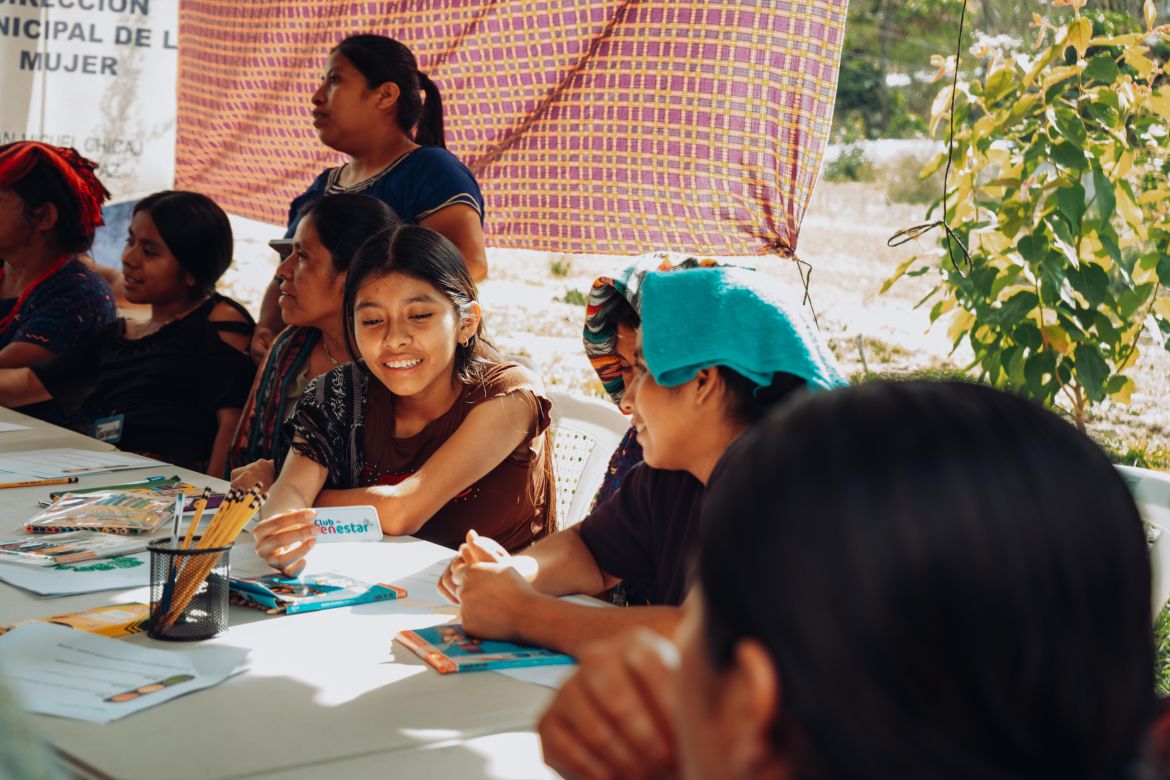
The Well-Being Clubs offer safe spaces where women can explore emotions, practice stress management, and build confidence in their own languages, Achí and Kaqchikel. More than 500 women and girls in Baja Verapaz and Chimaltenango have joined so far, with sessions led by local facilitators.

“It was something beautiful,” says Norma. “We made time for ourselves, even with chores waiting at home. We set that time aside to learn from one another.”

Guided by facilitator Vanessa Canahuí, more than 300 women in San Miguel Chicaj took part in 10 sessions in Achi. In Santa Apolonia, Chimaltenango, 200 women joined activities in Kaqchikel, spoken by 90 per cent of the community. “Our words have power, in Kaqchikel they are heard more clearly,” one woman reflected.

Advertisement

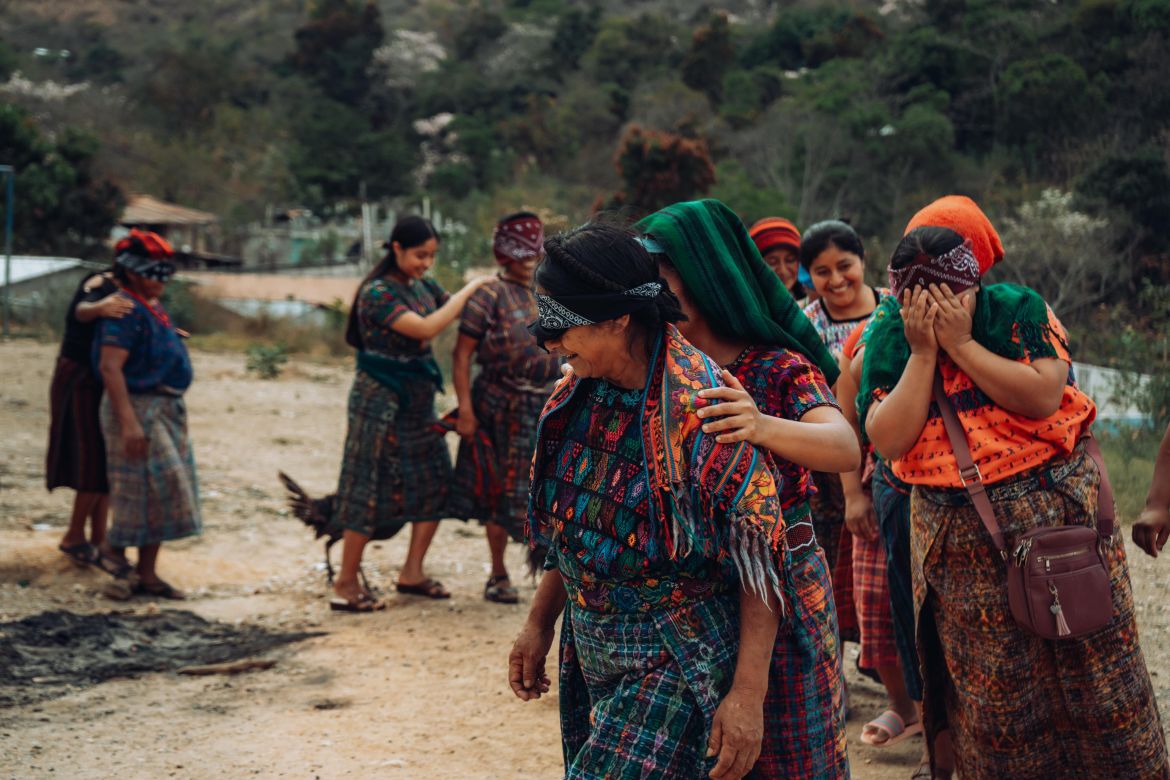
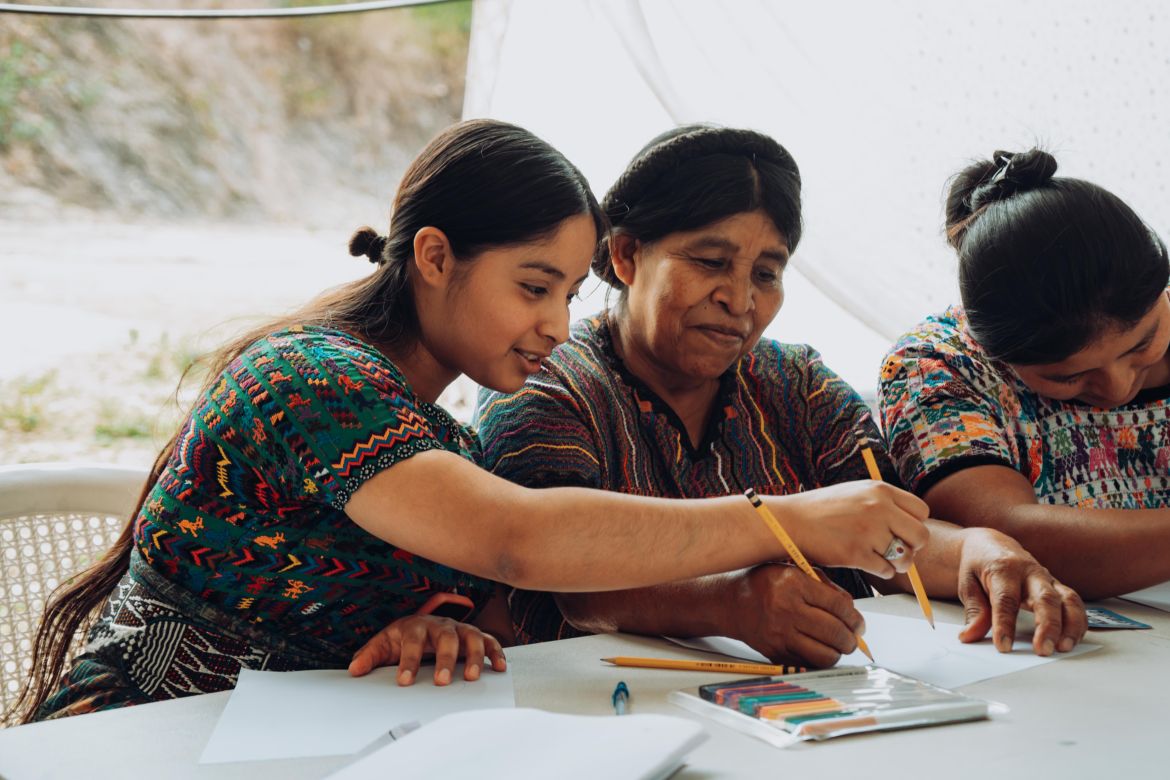
The clubs combine psychosocial support with community resilience, addressing vulnerabilities linked to migration. Women practise gratitude journals, self-regulation exercises, and trust-building activities such as drawing blindfolded while guided by peers. “It reminded me how much we depend on others and how valuable support can be,” says Jacqueline, a participant.

By listening, validating, and encouraging each other, women strengthen their confidence and reaffirm their rights. Ortensia explains: “Some neighbours don’t dare to come, they just stay home with chores. I encourage them to join because women have rights and play an important role in our community.”

The initiative is part of a regional project in Guatemala, Honduras, and El Salvador to support women in communities with high risks of irregular migration. Funded by the Government of Canada, it helps women reclaim their voices and through them, their futures.

“When a woman finds her voice, she finds her power,” Jacqueline says. “And when she does so within her community, change multiplies.”

This photo gallery was provided by the International Organization for Migration.
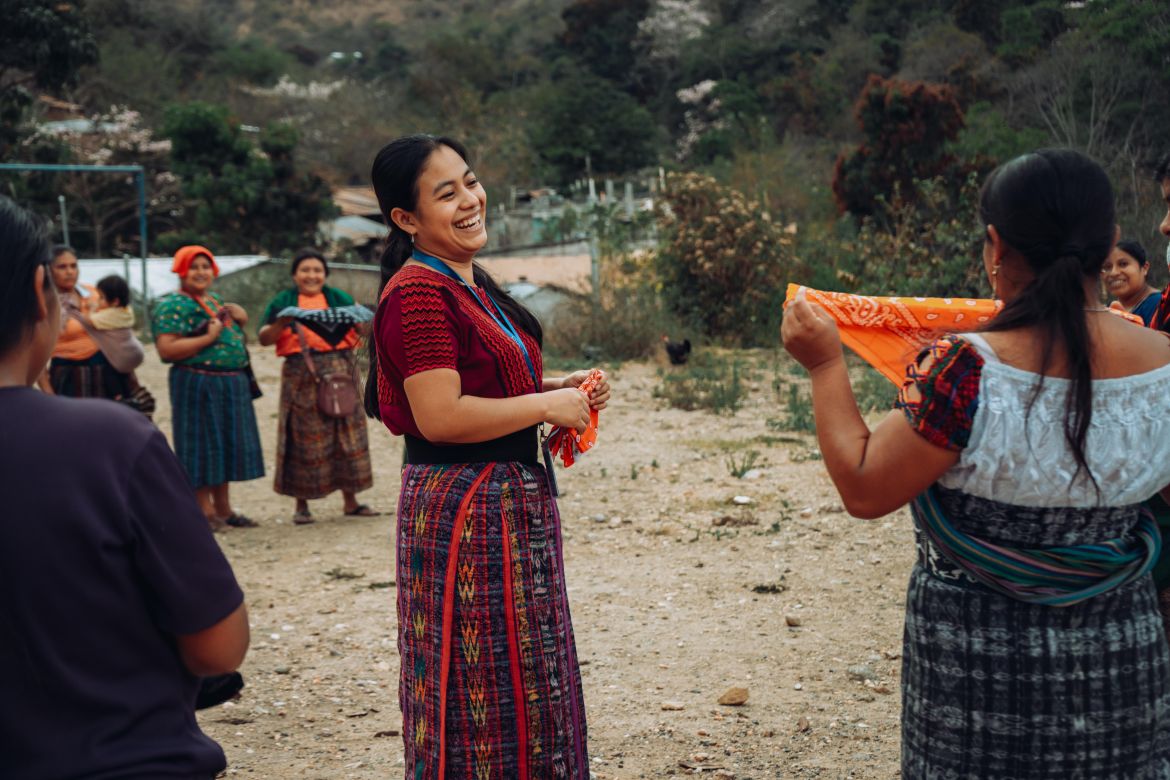
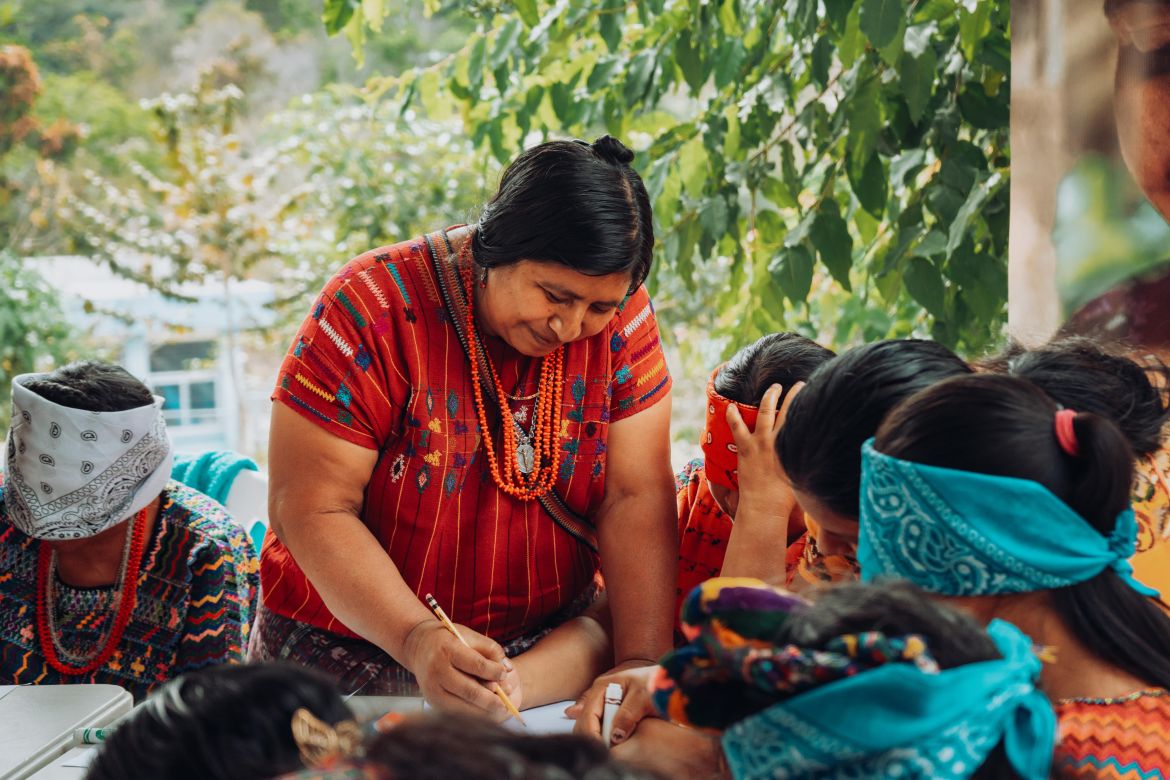
Vanessa Canahuí, facilitator of the Well-Being Club in San Miguel Chicaj, guided sessions for women to help them build trust, resilience, and self-esteem.
Vanessa Canahuí, facilitator of the Well-Being Club in San Miguel Chicaj, guided sessions for women to help them build trust, resilience, and self-esteem. [Luis Pedro Lara/IOM]
Advertisement
Women in Santa Apolonia practice guided drawing while blindfolded, an exercise highlighting the value of trust, support, and interdependence.
Women in Santa Apolonia practise guided drawing while blindfolded, an exercise highlighting the value of trust, support, and interdependence. [Luis Pedro Lara/IOM]
“We were blindfolded and had to draw while another person guided us. It reminded me how much we depend on others and how valuable support can be,” says Jacqueline.
“We were blindfolded and had to draw while another person guided us. It reminded me how much we depend on others and how valuable support can be,” says Jacqueline. [Luis Pedro Lara/IOM]
“Many women suffer from a lack of love and respect,” says Reina from San Miguel Chicaj. “We need to know ourselves, value ourselves, and strengthen our self-esteem.”
“Many women suffer from a lack of love and respect,” says Reina from San Miguel Chicaj. “We need to know ourselves, value ourselves, and strengthen our self-esteem.” [Luis Pedro Lara/IOM]
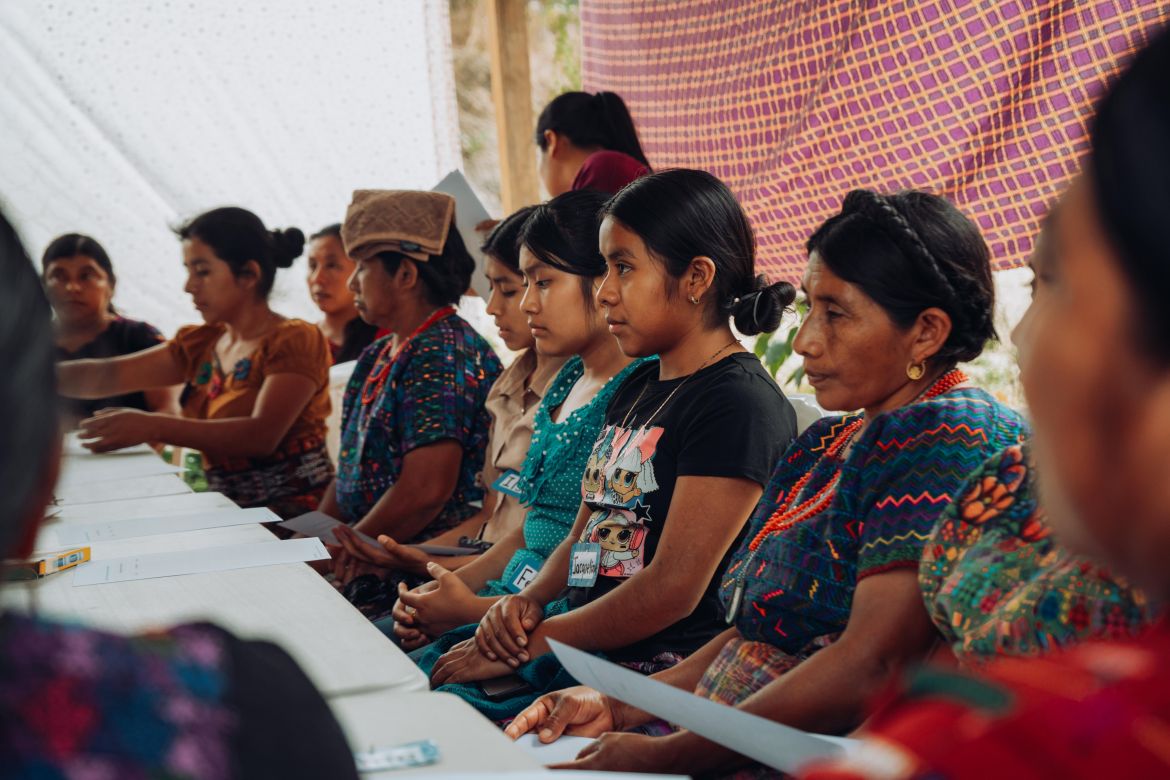
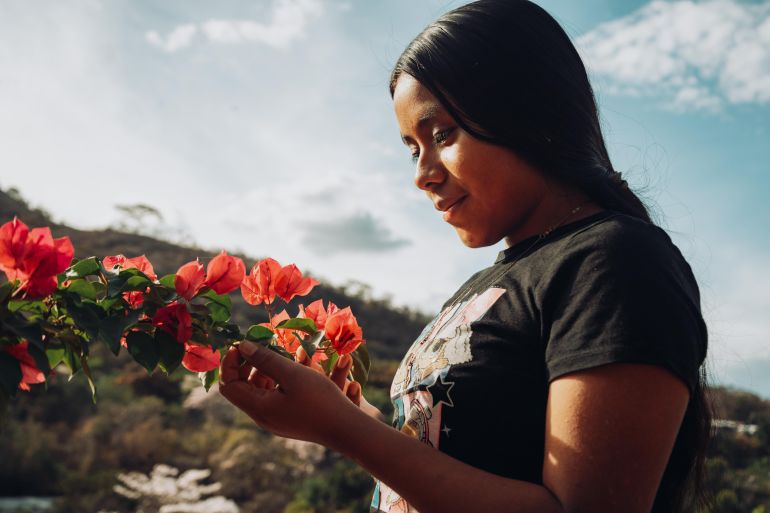
The Well-Being Clubs give Indigenous women safe spaces to reconnect with themselves, build confidence, and grow together.
The Well-Being Clubs give Indigenous women safe spaces to reconnect with themselves, build confidence, and grow together. [Luis Pedro Lara/IOM]
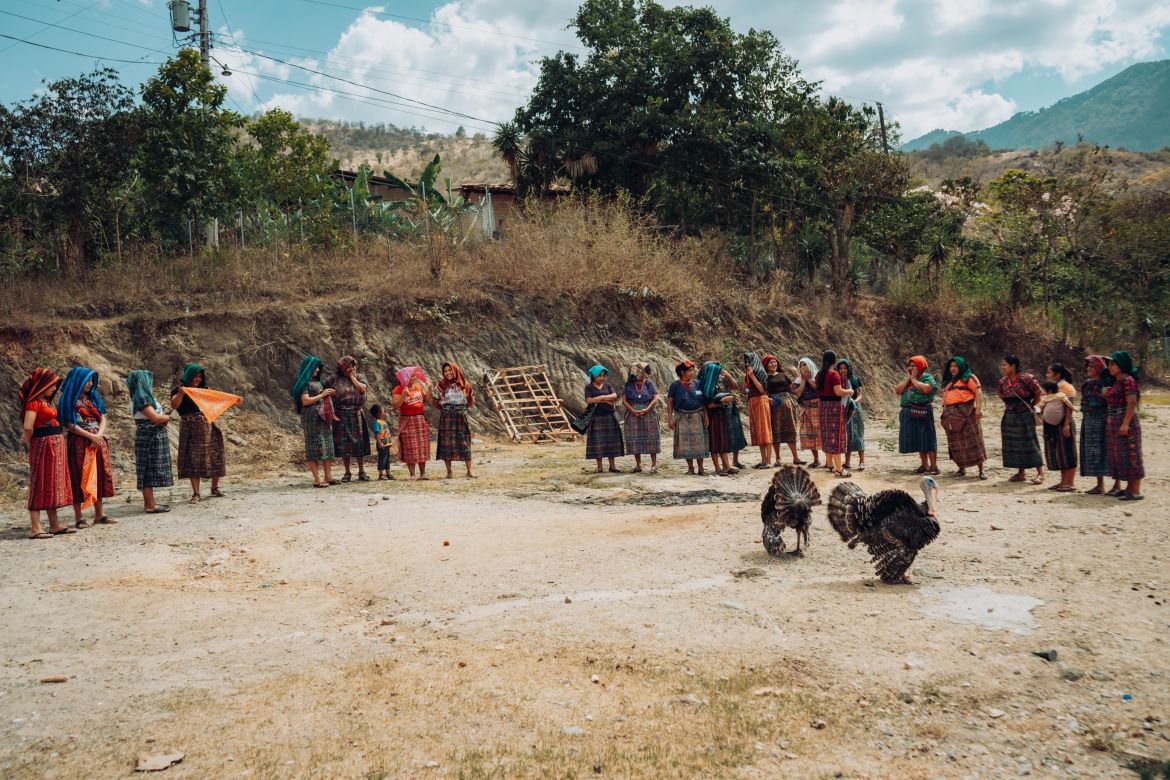
Women explore emotions and stress management through interactive games and practical exercises at the Well-Being Club.
Women explore emotions and stress management through interactive games and practical exercises at the Well-Being Club. [Luis Pedro Lara/IOM]
Advertisement
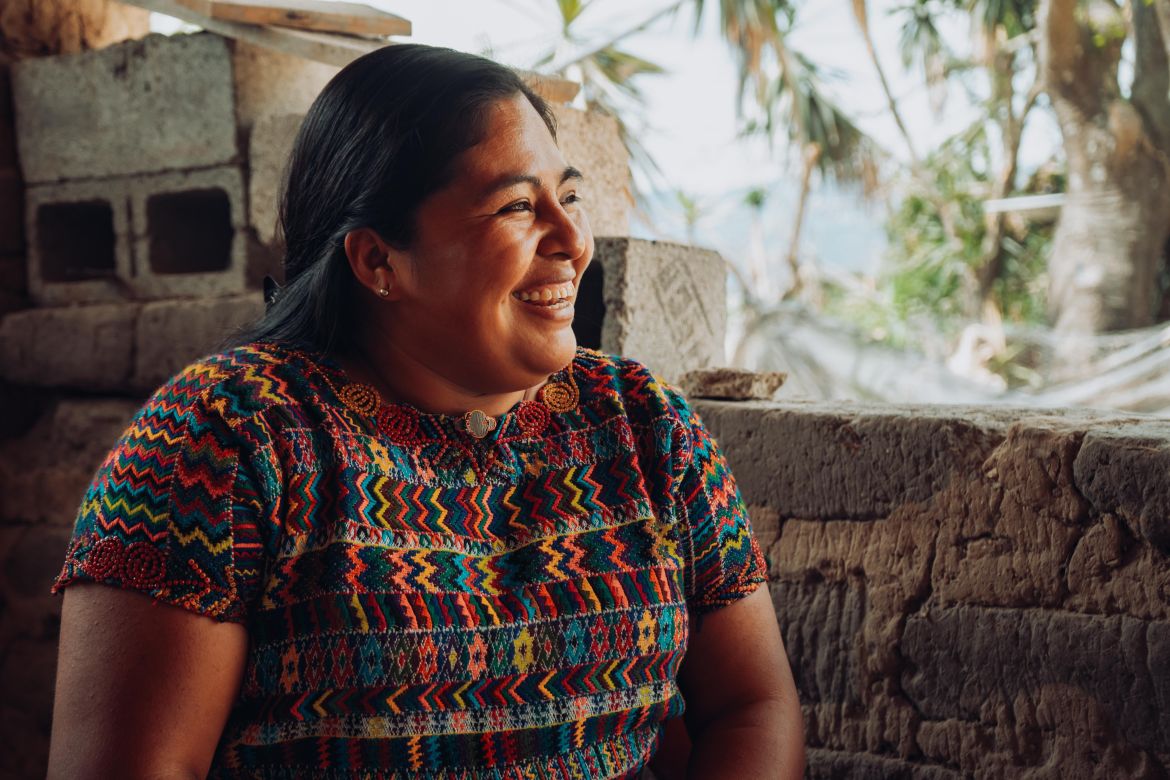
“It was something beautiful,” says Norma. “I felt included and valued in an activity that strengthened my sense of worth as a woman.”
“It was something beautiful,” says Norma. “I felt included and valued in an activity that strengthened my sense of worth as a woman.” [Luis Pedro Lara/IOM]
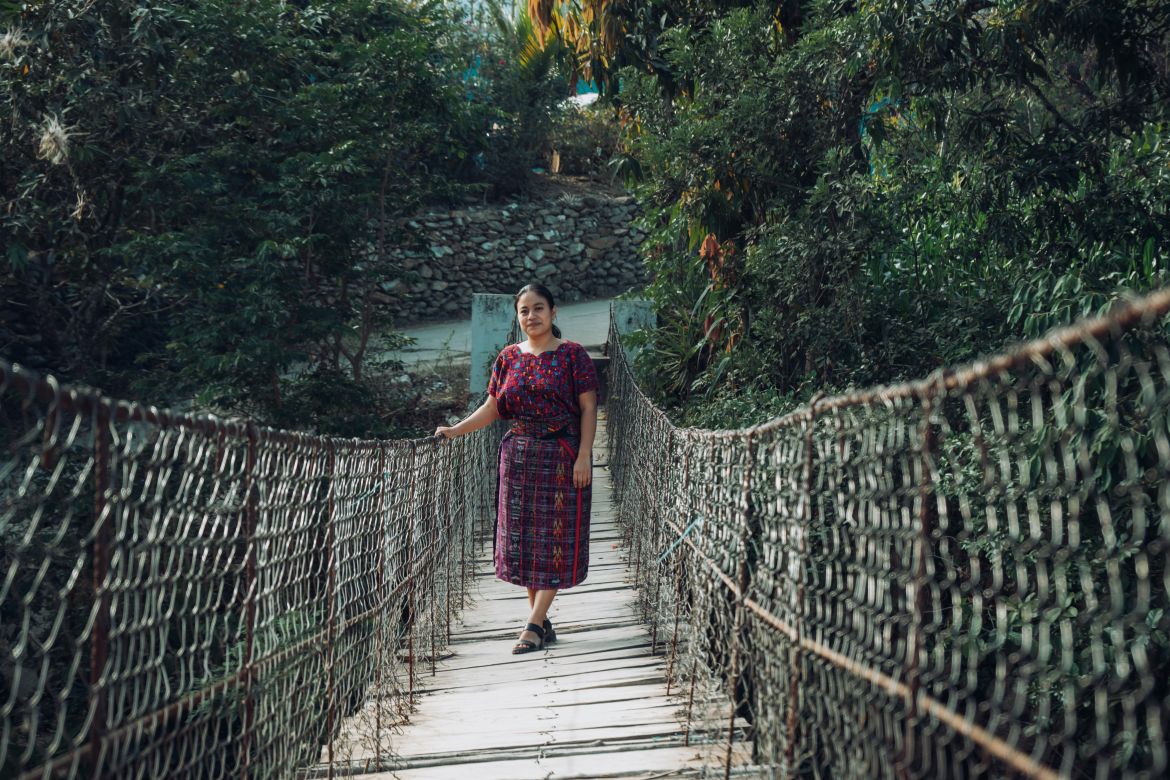
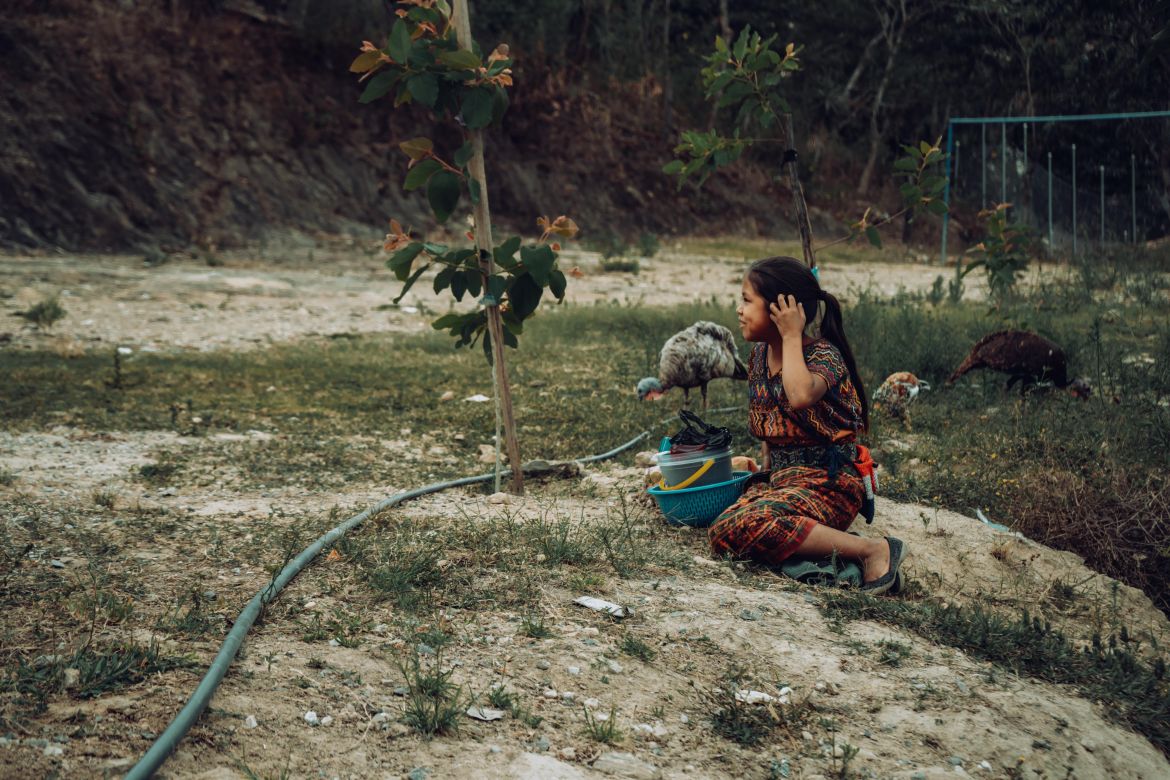
Life in the remote mountains of Baja Verapaz can feel isolating, but women gather at the Well-Being Club to share experiences and grow together.
Life in the remote mountains of Baja Verapaz can feel isolating, but women gather at the Well-Being Club to share experiences and grow together. [Luis Pedro Lara/IOM]
Women take part in an “emotions game,” one of several activities designed to help them recognize and express their feelings.
Women take part in an “emotions game,” one of several activities designed to help them recognise and express their feelings. [Luis Pedro Lara/IOM]
From journaling to group discussions, the sessions created safe spaces where women’s voices were heard and valued.
From journalling to group discussions, the sessions created safe spaces where women’s voices were heard and valued. [Luis Pedro Lara/IOM]
Through these clubs, women gain tools to make decisions about their lives and propose changes that benefit their communities.
Through these clubs, women gain tools to make decisions about their lives and propose changes that benefit their communities. [Luis Pedro Lara/IOM]
Local facilitator Vanessa Canahuí encourages women to express themselves in Achí, creating a safe space where trust and confidence can flourish.
Local facilitator Vanessa Canahuí encourages women to express themselves in Achi, creating a safe space where trust and confidence can flourish. [Luis Pedro Lara/IOM]
With warmth and patience, Vanessa guided 300 women through ten Well-Being Club sessions in San Miguel Chicaj.
With warmth and patience, Vanessa guided 300 women through 10 Well-Being Club sessions in San Miguel Chicaj. [Luis Pedro Lara/IOM]
In the remote mountains of Baja Verapaz, Well-Being Club sessions help Indigenous women find their voice and strength, creating change that will echo through generations to come.
In the remote mountains of Baja Verapaz, Well-Being Club sessions help Indigenous women find their voice and strength, creating change that will echo through generations to come. [Luis Pedro Lara/IOM]

Related

  • Boat, snowmobile, camel: Vaccine reaches world’s far corners

    Around the world, it is taking extra effort and ingenuity to ensure the vaccine gets to remote locations.

    Published On 7 Apr 20217 Apr 2021
    Health workers Diego Feitosa Ferreira, 28, right, and Clemilton Lopes de Oliveira, 41, leave a home after a resident declined to be vaccinated against the new coronavirus, in the Capacini community, along the Purus River, in the Labrea municipality, Amazonas state, Brazil. [Edmar Barros/AP Photo]
    This gallery article has 13 imagescamera13
  • The Indigenous woman who survived a desolate Arctic island

    In 1921, Ada Blackjack and four men embarked on an expedition to a remote Siberian island. Only one of them returned.

    Published On 22 Jun 202122 Jun 2021
    Ada Blackjack pictured on Wrangel Island with her expedition teammates and the expedition cat, Vic [Creative Commons]
  • Native American women are facing an epidemic of violence

    More than 80 percent of Indigenous women in the United States have experienced violence in their lifetime.

    Published On 3 Dec 20213 Dec 2021
    Video Duration 12 minutes 38 seconds play-arrow12:38
  • The woman setting the record straight on Native American history

    Sarah Eagle Heart, storyteller and award-winning producer, wants to heal her people through telling Indigenous stories.

    Published On 24 Apr 202224 Apr 2022
    An illustration of Sarah Eagle Heart.

More from Features

  • What lies ahead for Gaza after ceasefires in Iran and Lebanon?

    Gaza
  • Yemen’s landmine crisis endures despite truce and de-mining efforts

    Man with amputated leg raises both arms
  • Map quiz: How well do you know Lebanon?External LinkThis article will be opened in a new browser window

    INTERACTIVE Lebanon Quiz poster-1777188604
  • Joy and desire for change as Gaza’s Deir el-Balah holds elections

    Palestinians in Gaza head to make shift polling booths to cast a vote in municipal elections

Most popular

  • Iran top diplomat returns to Pakistan; Israel hits Lebanon despite truce

    A woman walks past images of Iran's late supreme leaders Ayatollah Ruhollah Khomeini (above L) and Ayatollah Ali Khamenei (Above C) next to newly elected supreme leader Mojtaba Khamenei (above R), and photos strung along the wall of children killed on the first day of the war in an alleged US-Israeli missile strike on a school in the southern Iranian city of Minab, outside a mosque in the capital Tehran on April 25, 2026. On February 28, Israel and the United States launched strikes on Iran, killing its supreme leader and triggering a war that spread across the Middle East.
  • What to know about alleged White House correspondents’ dinner attacker

    Law enforcement personnel arrested a suspect following the shooting at the White House Correspondents' Association dinner, in Washington, DC
  • Mali’s Defence Minister Sadio Camara killed during coordinated attacks

    Colonel Sadio Camara, Minister of Defense and Veterans of Mali
  • Trump unhurt after shots fired at White House correspondents’ dinner

    Trump

  • About

    • About Us
    • Code of Ethics
    • Terms and Conditions
    • EU/EEA Regulatory Notice
    • Privacy Policy
    • Cookie Policy
    • Cookie Preferences
    • Accessibility Statement
    • Sitemap
    • Work for us
  • Connect

    • Contact Us
    • User Accounts Help
    • Advertise with us
    • Stay Connected
    • Newsletters
    • Channel Finder
    • TV Schedule
    • Podcasts
    • Submit a Tip
    • Paid Partner Content
  • Our Channels

    • Al Jazeera Arabic
    • Al Jazeera English
    • Al Jazeera Investigative Unit
    • Al Jazeera Mubasher
    • Al Jazeera Documentary
    • Al Jazeera Balkans
    • AJ+
  • Our Network

    • Al Jazeera Centre for Studies
    • Al Jazeera Media Institute
    • Learn Arabic
    • Al Jazeera Centre for Public Liberties & Human Rights
    • Al Jazeera Forum
    • Al Jazeera Hotel Partners

Follow Al Jazeera English:

  • facebook
  • twitter
  • youtube
  • instagram-colored-outline
  • rss
Al Jazeera Media Network logo
© 2026 Al Jazeera Media Network