UAE reports missile and drone strikes incoming from Iran
There are no immediate reports of casualties, and there has been no immediate comment from Iran.
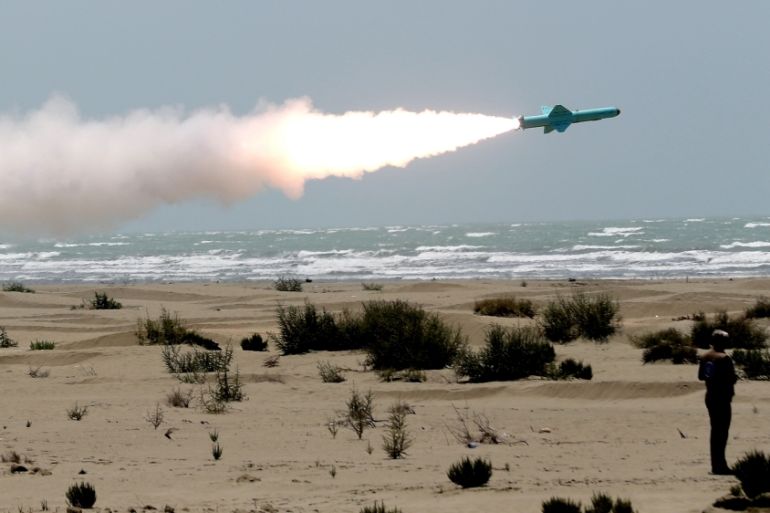
The United Arab Emirates (UAE) has said that its air defences are engaging with missile attacks and incoming drones from Iran.
The UAE Ministry of Defence said late on Monday afternoon that it was intercepting ballistic missiles, cruise missiles, and drones across the country. It added later that its forces had intercepted three missiles, with a fourth falling into the sea.
The strikes come amid rising tension with efforts to extend the ceasefire in the United States-Israeli war on Iran having failed to make a breakthrough, and rhetoric remaining elevated on both sides as they face off regarding the blockades in the Strait of Hormuz.
There was no immediate comment from Iran.
The emirate of Fujairah said that an Iranian drone sparked a fire at an oil facility. Civil defence teams were deployed immediately to contain the blaze, the Fujairah Media Office said in a statement, adding that three Indian citizens had been moderately injured during the attack and taken to hospital.
The drone attacks shattered a period of relative calm in the UAE since a Pakistani-mediated ceasefire between Washington and Tehran took effect on April 8, pausing more than two months of intense fighting in the Gulf region.
During the period of intense conflict, the UAE was the most heavily targeted country as Tehran launched initial retaliatory strikes, and intercepted and destroyed thousands of drones and missiles.
The tension was high throughout Monday after US President Donald Trump had declared that the military would start an operation to help trapped commercial vessels leave the blockaded Strait of Hormuz by guiding them through the waterway.
Trump. claimed it was a humanitarian effort to help their stranded crews.
Iranian media reported that Tehran’s navy had fired “warning shots” at US warships in the strait.
The UAE strongly condemned an Iranian drone attack on the MV Barakah off the coast of Oman. UAE state oil giant ADNOC reported that no one was injured and the ship was not loaded.
Negotiations between Washington and Tehran have been deadlocked since a ceasefire took effect on April 8, with Tehran’s stranglehold on the strait a main point of contention.
The ceasefire, reached via Pakistani mediation, was followed by direct talks in Islamabad on April 11, but no agreement was reached on a lasting truce.
US President Donald Trump later extended the ceasefire without setting a new deadline, following a request from Pakistan.