Skip linksSkip to Content
play
Live
Navigation menu
  • News
    • Africa
    • Asia
    • US & Canada
    • Latin America
    • Europe
    • Asia Pacific
  • Middle East
  • Explained
  • Opinion
  • World Cup
  • Video
    • Features
    • Economy
    • Sport
    • Human Rights
    • Climate Crisis
    • Investigations
    • Interactives
    • In Pictures
    • Science & Technology
    • Podcasts
    • Travel
play
Live

In Pictures

Gallery

Fukushima’s surfers riding on radioactive waves

“We will only know the true consequences of our time in the water 20 years from now.”
Save

Share

facebookxwhatsapp-strokecopylink
Japan Nuclear Surfing
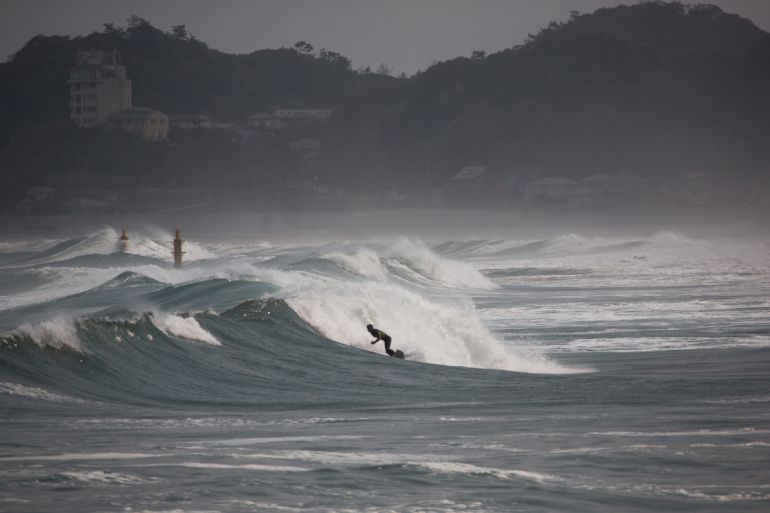
Tairatoyoma beach, in the prefecture of Fukushima 50km from the nuclear plant, was among the most popular areas with Japanese surfers before the accident. [Eric Lafforgue/Al Jazeera]
By Eric Lafforgue
Published On 29 Aug 201629 Aug 2016

Fukushima, Japan – On 11 March 2011, at 2:46 pm, Japan was hit by a magnitude 9.0 earthquake which generated a tsunami along the coast. The casualties of the disaster included 18,500 dead, 90 percent of whom drowned in the tsunami wave. The bodies of 2,561 people were never recovered.

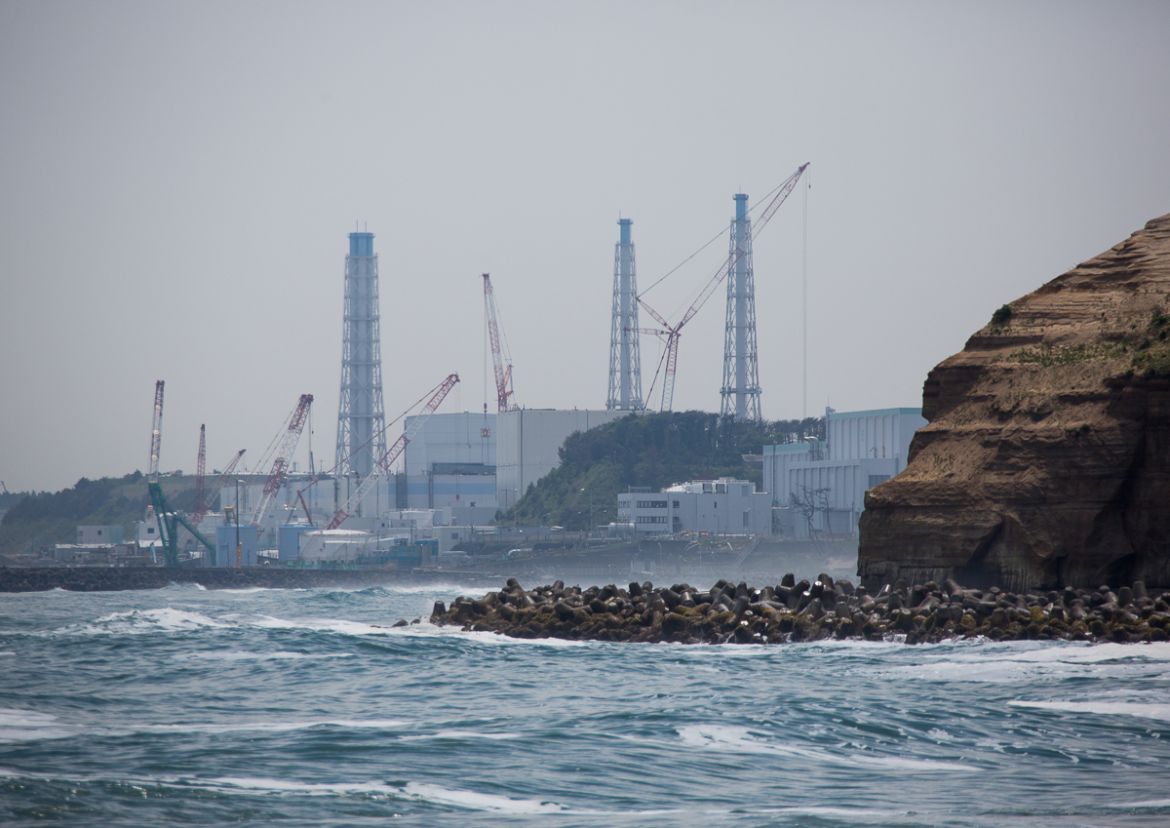
The tsunami hit the Daiichi nuclear power plant as well, a level-7 catastrophe that was the equivalent of the Chernobyl nuclear power plant disaster.

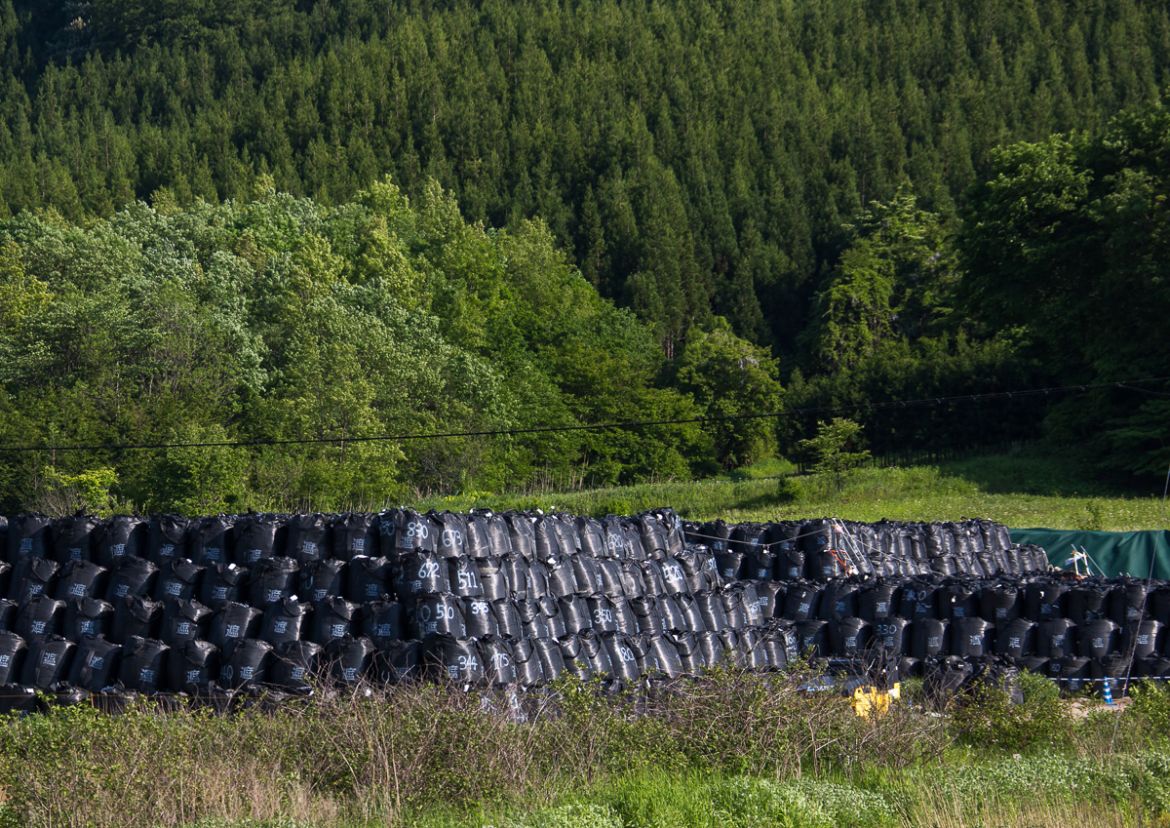
Over the course of five years, nearly 50,000 people have worked to decontaminate the plant and stop leaks according to government press releases. They remove between 5 and 30 cm of contaminated soil every day and place them in plastic bags, which are stored on the outskirts of town, pending a better solution.

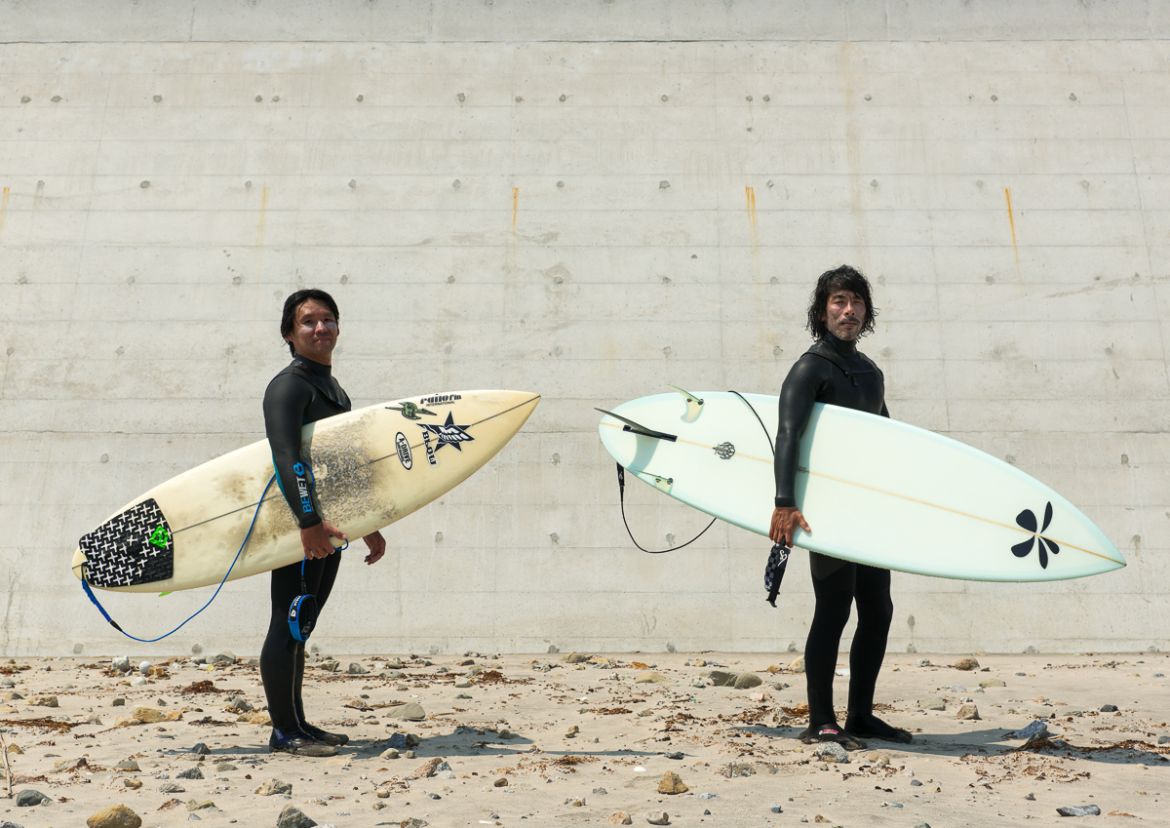
In Tairatoyoma beach, a prefecture of Fukushima and some 50km from the nuclear plant, was among the most popular areas for Japanese surfers prior to the nuclear accident.

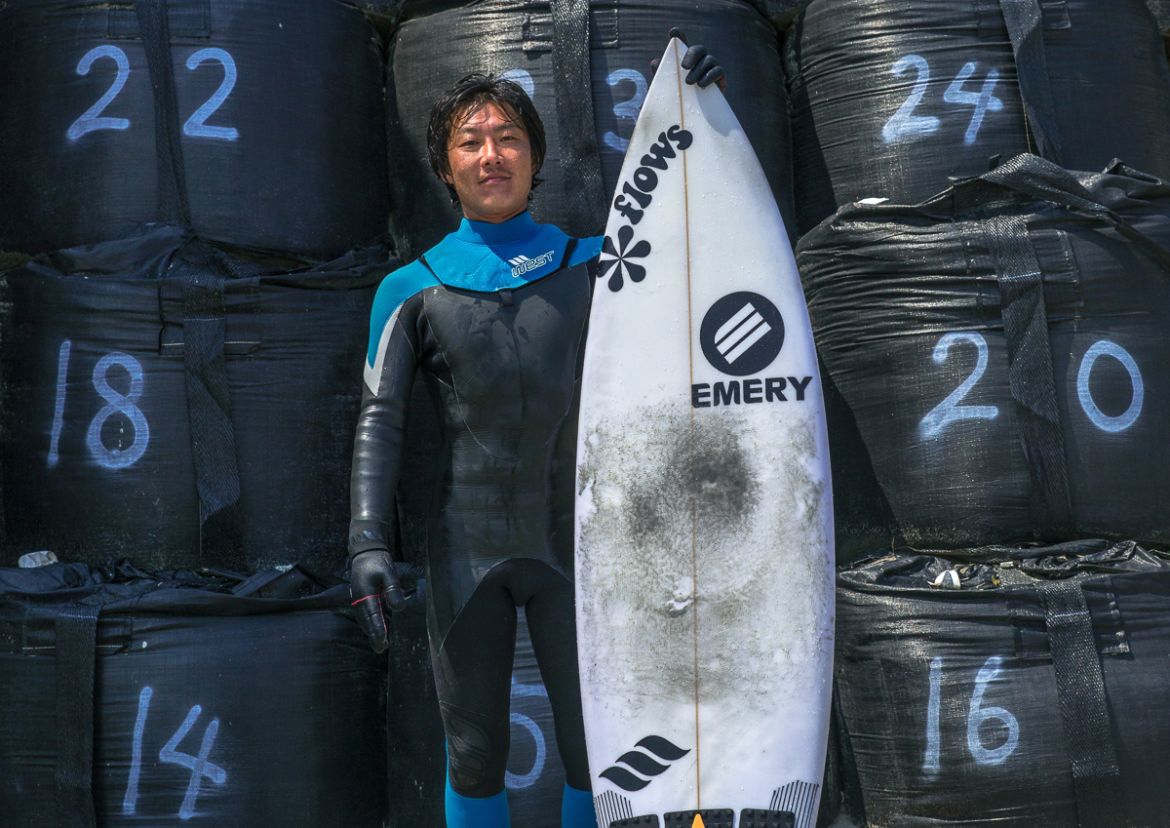
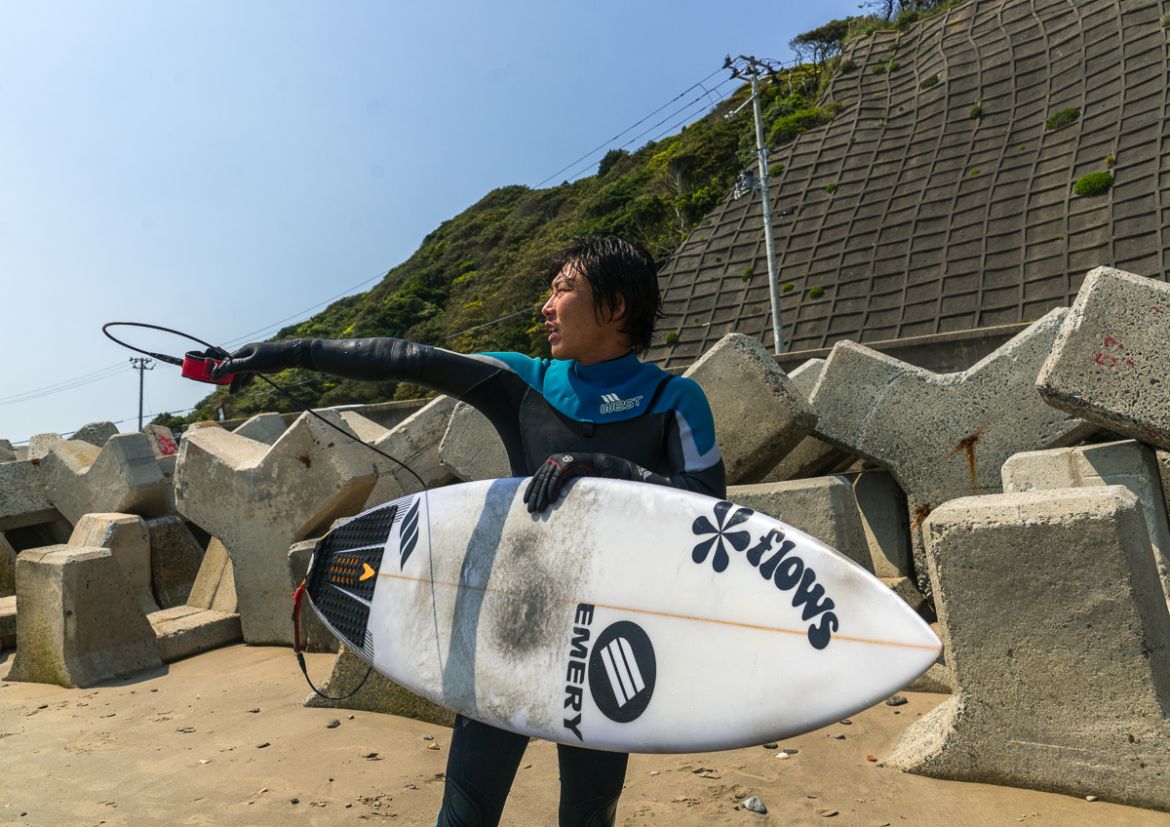
Surprisingly, despite the presence of radiation in the sand and water, some dedicated surfers continue to come here to catch some waves. They are aware of the risks, and the hundreds of bags of contaminated sand piled up on the beach serve as a constant reminder of the health risks to them. 

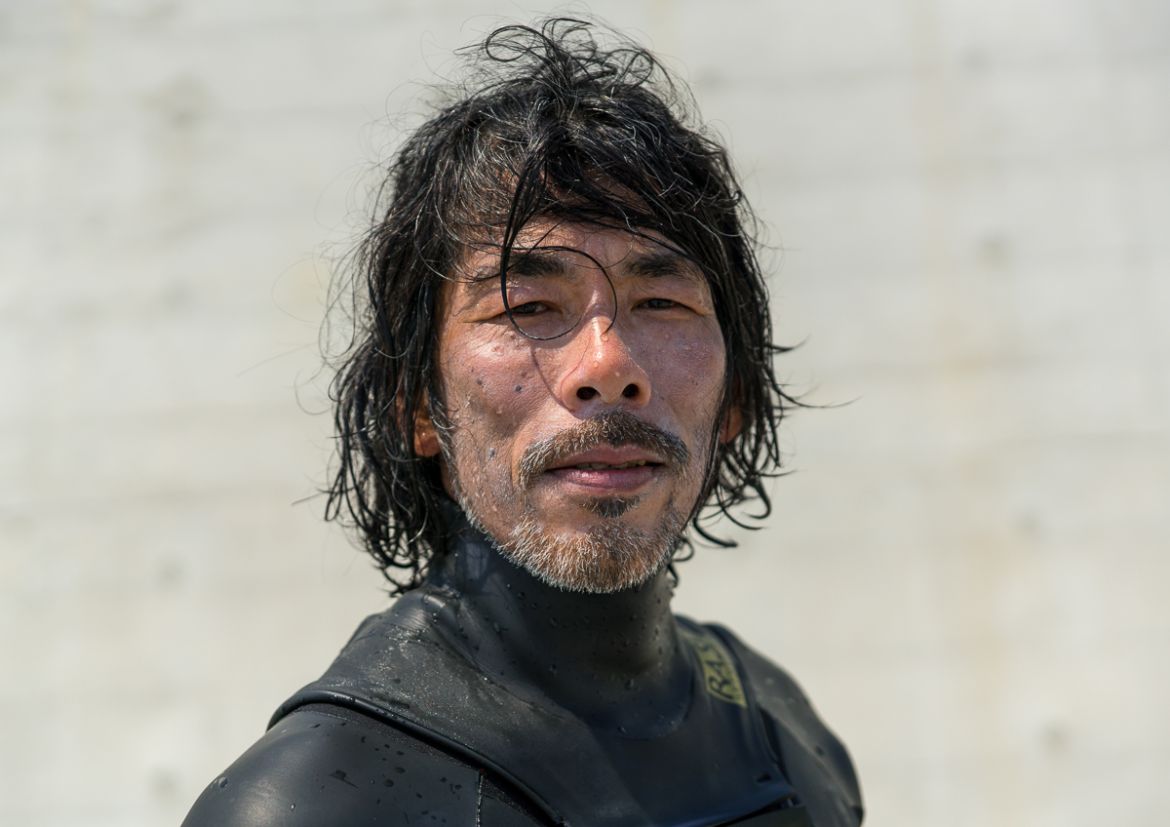
“I put on sunscreen against the sun, but I haven’t found anything against radiation,” said one surfer. “We will only know the true consequences of our time in the water 20 years from now.”
MORE: Inside Fukushima’s time bomb

Japan Nuclear Surfing
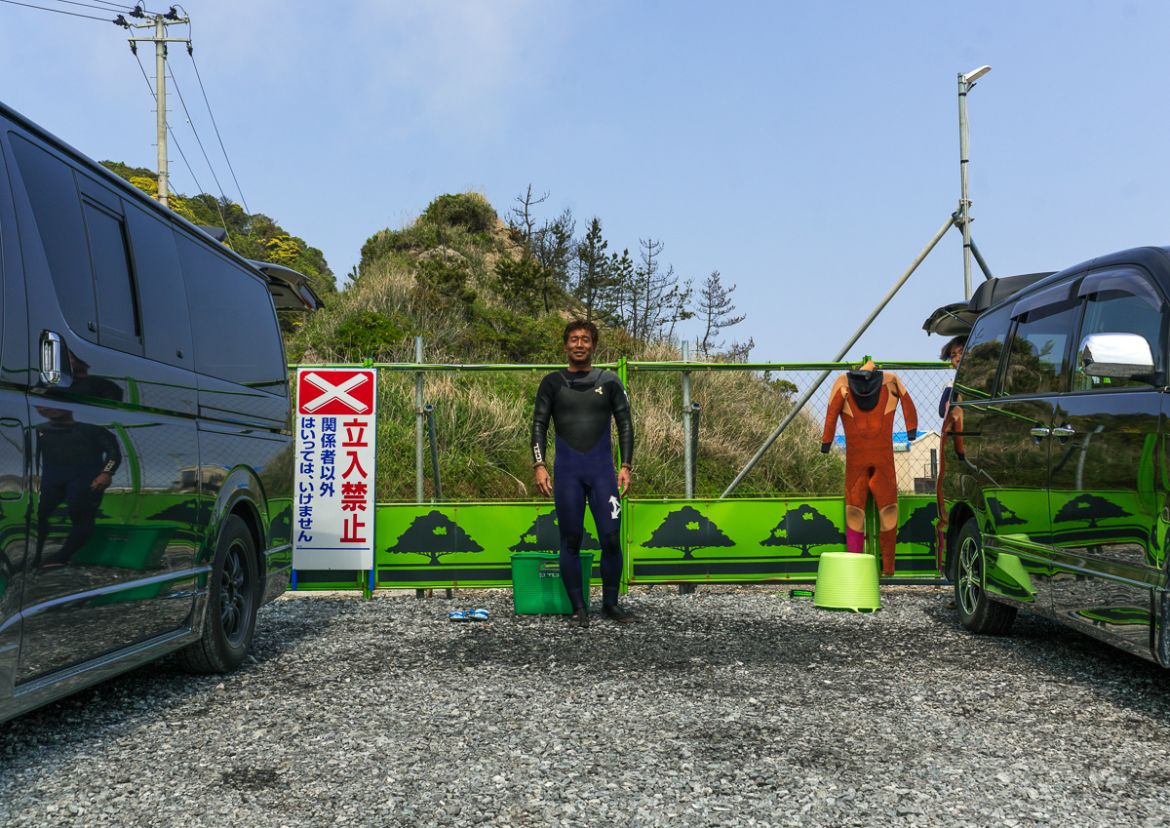
'I come to Tairatoyoma beach and surf several times a week. It's my passion. I can't stop surfing,' says this surfer. The sign next to him in Japanese indicates that the area is a restricted area. [Eric Lafforgue/Al Jazeera]
Advertisement
Japan Nuclear Surfing
Some surfers were on the beach when the tsunami struck. 'The earth shook, we came back on the Tairatoyoma beach, and a few minutes later, the tsunami wave arrived,' recalls one surfer. 'None of the surfers who were on the beach died, as we had time to escape. Those who were in their homes were taken by the waves by surprise and they died.' [Eric Lafforgue/Al Jazeera]
Japan Nuclear Surfing
Over the course of five years, nearly 50,000 people have worked to decontaminate the plant and stop leaks. Nearly 500,000 people were evacuated because of the tsunami and the nuclear accident. [Eric Lafforgue/Al Jazeera]
Japan Nuclear Surfing
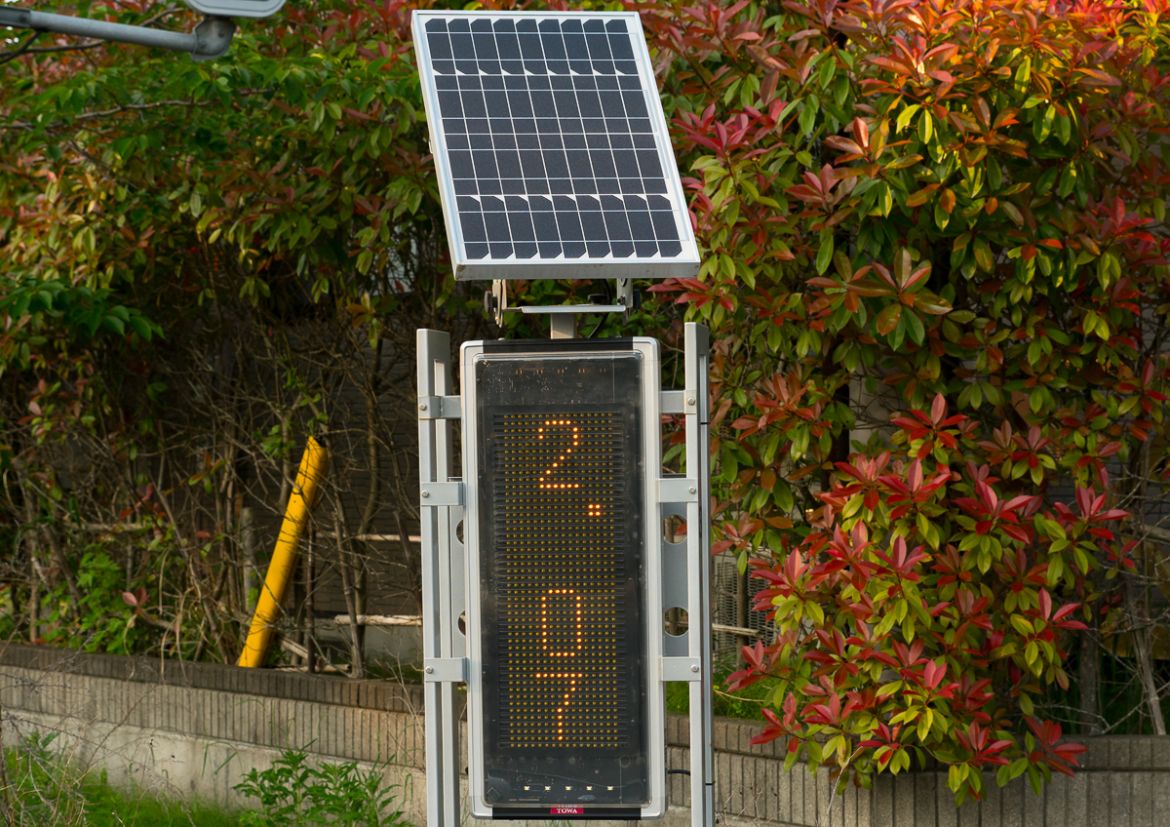
Radiation sensors indicate the level of radioactivity. But no one is present to read the sensor in the red zones, classified as 'difficult to return to zones' by the government. One millisievert, - 'the average accumulated background radiation dose of an individual for one year, exclusive of radon,' - is the maximum radiation exposure dose allowed. [Eric Lafforgue/Al Jazeera]
Japan Nuclear Surfing
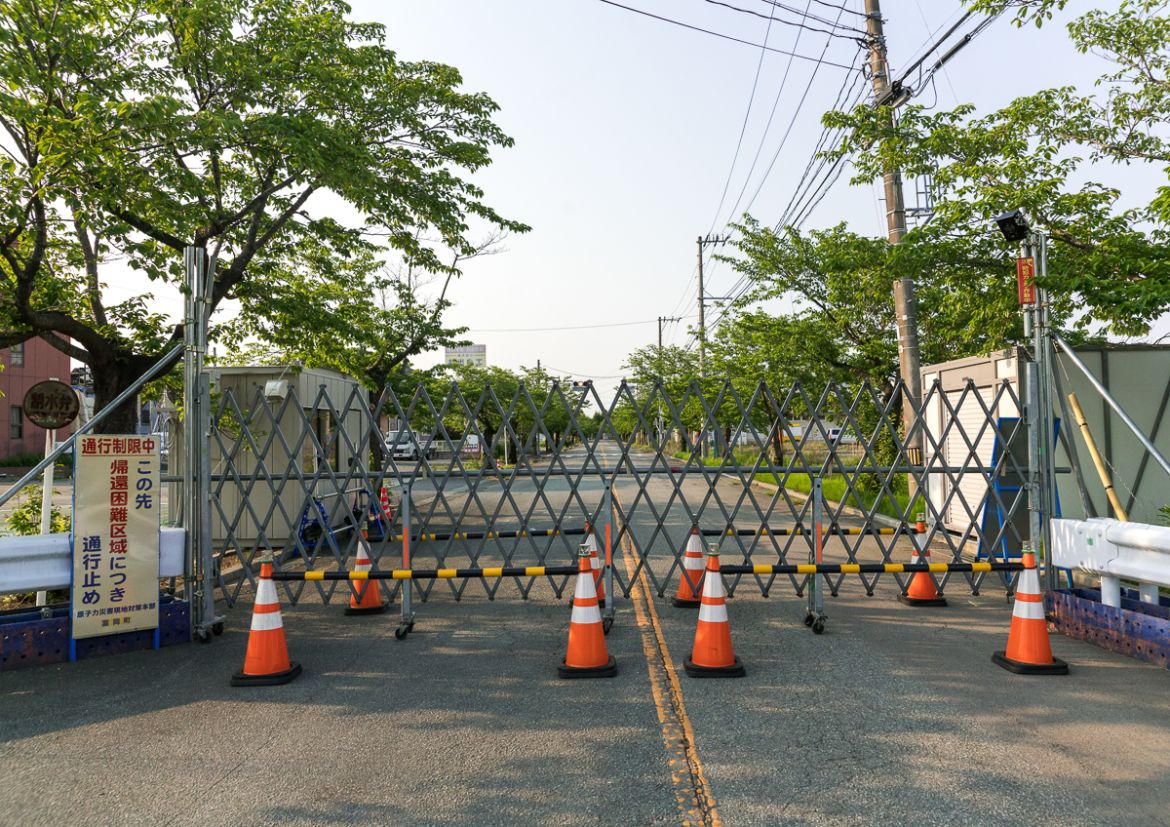
Residents receive compensation from TEPCO company based on the degree of contamination of their homes. In the red zone, they receive $1,000 a month per person. This has created tensions in the population because those who live on the other side of the barrier, like here in Tomioka, do not receive as much. [Eric Lafforgue/Al Jazeera]
Japan Nuclear Surfing
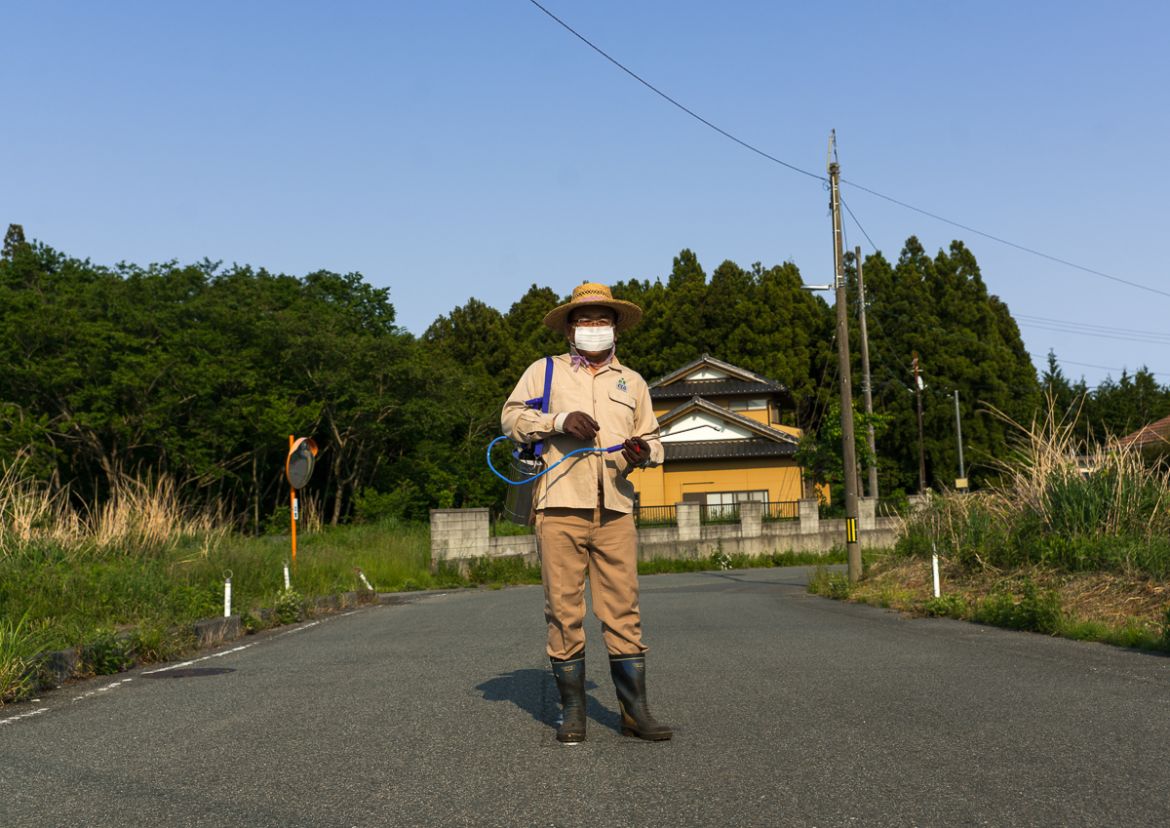
In the 'orange zone', residents have the right to visit their home if they wish to take care of it. In the town of Naraha, this man has come to weed his garden. His wife refuses to come back, and he will not bring his children. He never sleeps in his contaminated home. He knows the dangers well as he had worked at the nuclear plant. [Eric Lafforgue/Al Jazeera]
Advertisement
Japan Nuclear Surfing
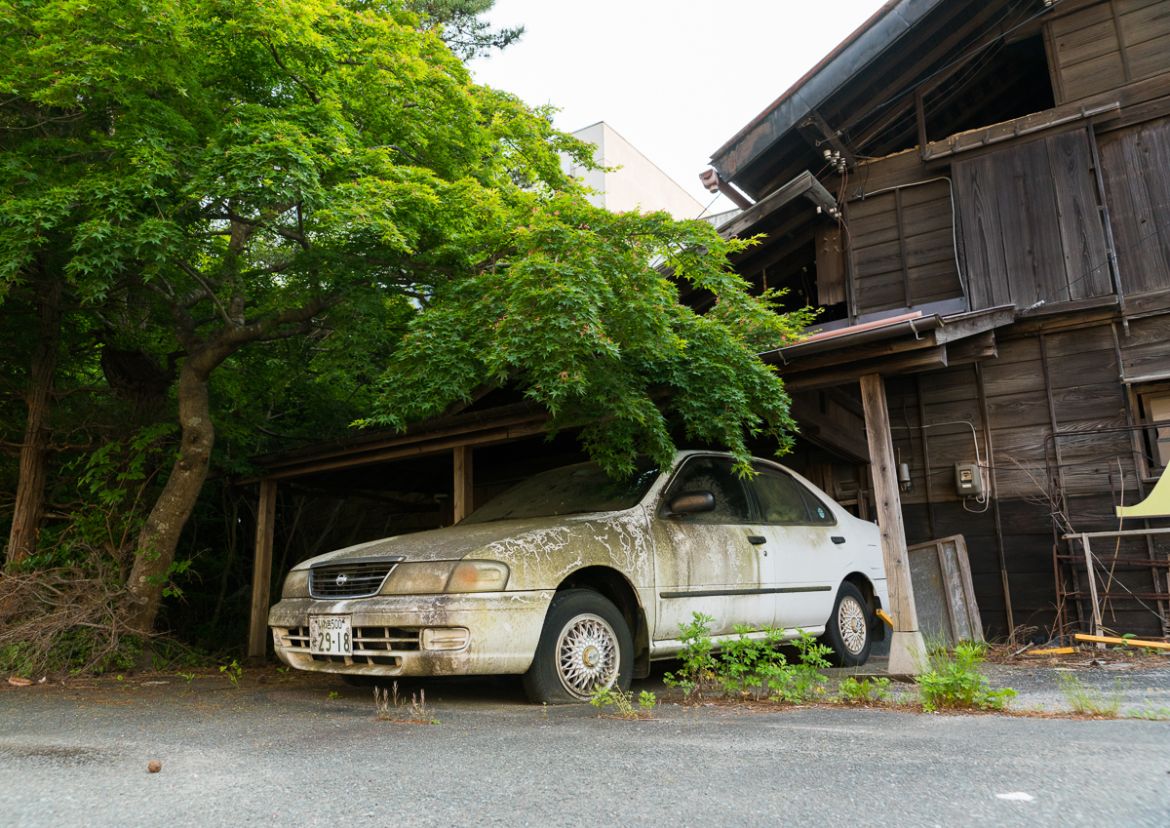
Cities distant from the sea, like Tomioka, were only affected by the earthquake and the radiation, but not the tsunami. They have now turned into ghost towns. [Eric Lafforgue/Al Jazeera]
Japan Nuclear Surfing
Thirty million tonnes of contaminated soil are stocked in open-air sites. [Eric Lafforgue/Al Jazeera]
Japan Nuclear Surfing
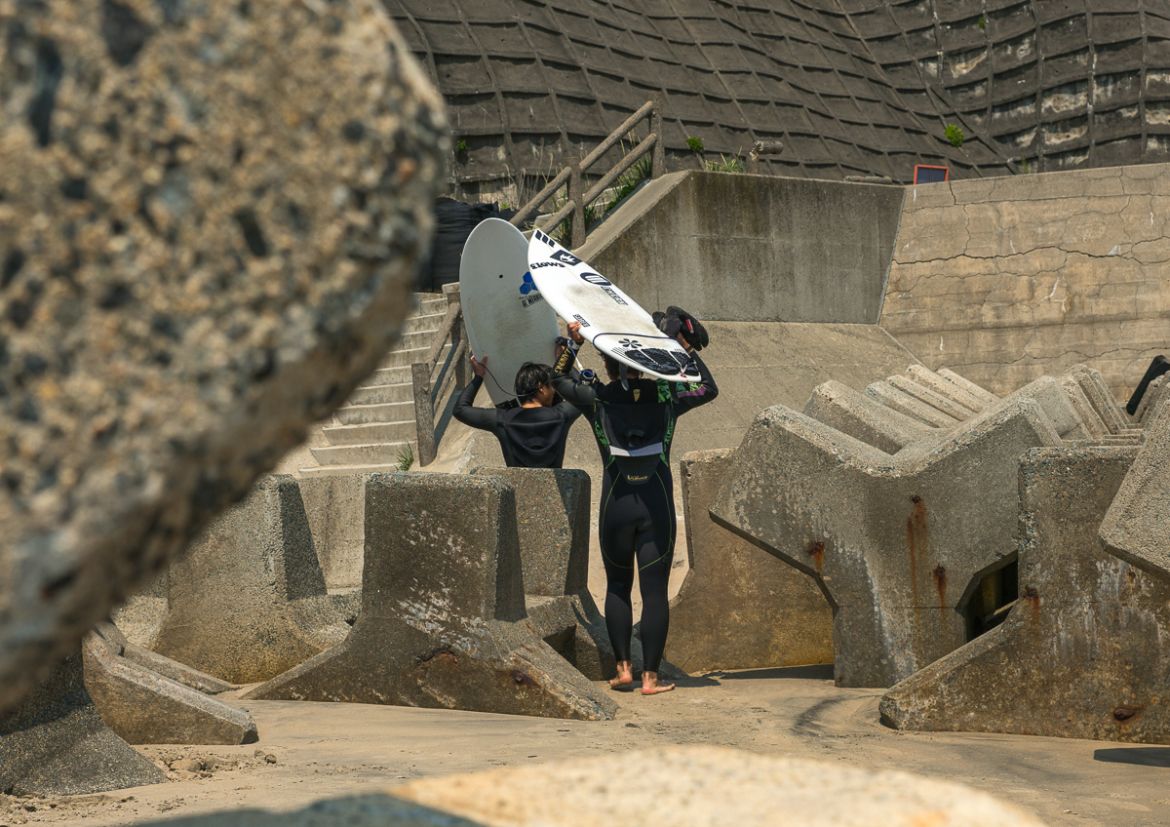
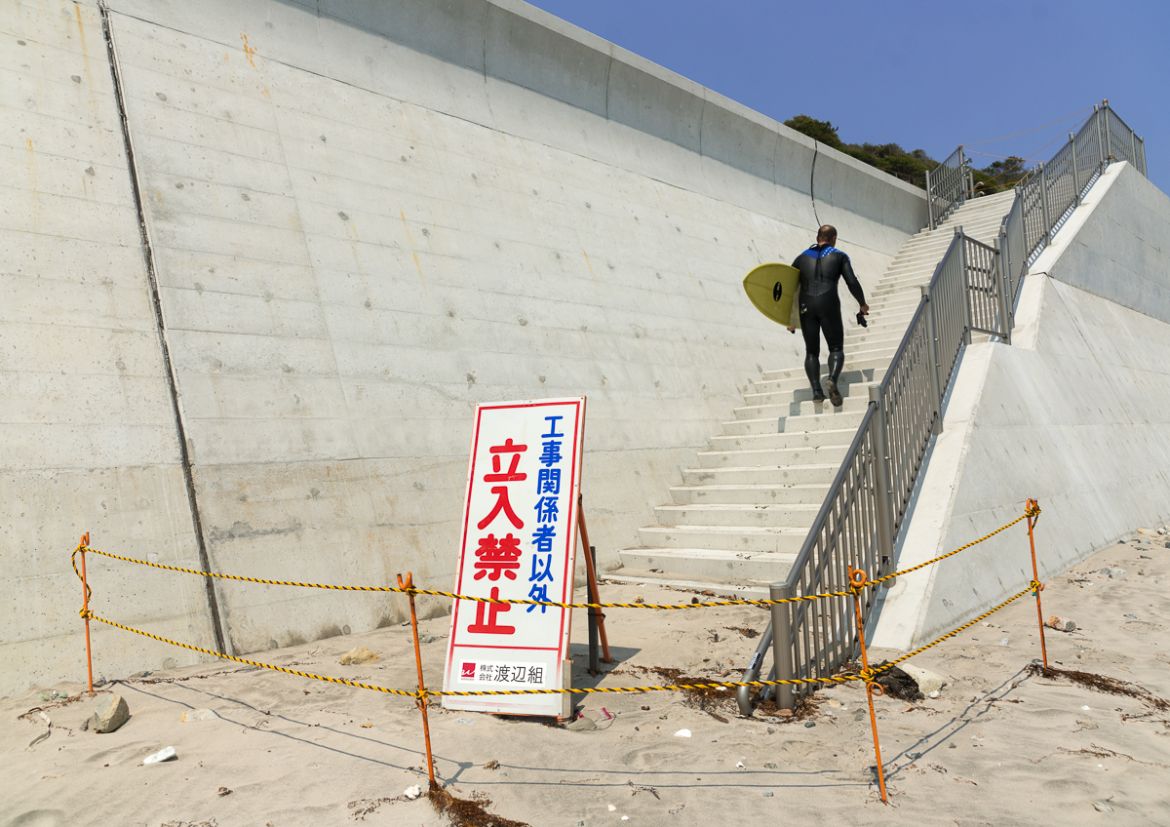
The Tairatoyoma beach was popular for its white sands, but the tsunami washed this sand away. Now, a concrete wall offers protection against the waves. A few rare foreigners venture here to surf according to the Japanese surfers. [Eric Lafforgue/Al Jazeera]
Japan Nuclear Surfing
The surfers cannot ignore the risks. There are hundreds of bags of contaminated sand piled up on the beach. 'The government keeps telling us that things are back to normal in the region. But we can see that few people have come back. There are only elderly people. Children are kept away,' said one surfer. [Eric Lafforgue/Al Jazeera]
Japan Nuclear Surfing
Despite knowing the risk, surfers are undeterred and willing to take the risk to surf in these waters. 'I put on sunscreen against the sun, but I haven't found anything against radiation. We will only know the true consequences of our time in the water 20 years from now,' said one surfer. [Eric Lafforgue/Al Jazeera]
Japan Nuclear Surfing
The people from the Fukushima prefecture had supported the construction of the nuclear power plants in the region because this brought jobs and prosperity to this rural area. [Eric Lafforgue/Al Jazeera]
Japan Nuclear Surfing
An employee of the nuclear plant said that he would never swim here as the water is too contaminated. Five of his friends who work at the plant now have brain damage. [Eric Lafforgue/Al Jazeera]

Related

  • Japan: Returning home after Fukushima nuclear disaster

    Minamisoma returnees keen to rebuild lives after lifting of evacuation order for first time since 2011 nuclear disaster.

    Published On 18 Jul 201618 Jul 2016
    Minamisoma return Japan
  • Study: Fukushima health risks underestimated

    Japanese government says nuclear energy is still needed, but environmentalists are wary of another Fukushima.

    Published On 15 Nov 201415 Nov 2014
    A Greenpeace radiation monitoring team checks contamination in Fukushima City [Greenpeace]

More from Gallery

  • Photos: Crowds flood Madrid streets to see Pope Leo’s procession

    Spain Pope
    This gallery article has 8 imagescamera8
  • Photos: 100 days of the US-Israel war on Iran

    Rescue workers search for survivors in the rubble after a strike in southern Tehran
    This gallery article has 34 imagescamera34
  • Photos: Cockroach Janta Party rallies in New Delhi for youth protests

    Cockroach Janta Party (CJP) founder Abhijeet Dipke (C) shouts slogans during a protest
    This gallery article has 9 imagescamera9
  • Photos: Foreign nationals among 21 dead in New Delhi building fire

    Foreign nationals among 21 dead in New Delhi building fire
    This gallery article has 7 imagescamera7

Most popular

  • Missiles fired at Israel as Iran’s army says air base targeted

    First responders inspect damage at the site of an Israeli airstrike on an apartment building in Beirut's southern suburbs on June 7, 2026. An Israeli attack on Beirut's southern suburbs hit two buildings in the area, Lebanese state media reported on June 7, after Israel said it struck the Hezbollah stronghold. (Photo by AFP) /
  • Denmark’s Christian Eriksen collapses on football pitch during friendly

    Soccer Football - FIFA World Cup - UEFA Qualifiers - Finals - Czech Republic v Denmark - epet ARENA, Prague, Czech Republic - March 31, 2026 Denmark's Christian Eriksen looks dejected after failing to qualify for the FIFA World Cup REUTERS/David W Cerny
  • OPINIONOPINION,

    The accomplishments of 100 days of war on Iran are undeniable

    President Donald Trump and other US officials in Washington, DC
    quotes
  • OPINIONOPINION,

    What Afghanistan’s rotten apples tell us about its non-profit sector

    Afghan boys collect rotten apples at the vegetable market in Kabul on October 12, 2010. Afghanistan is one of the world's poorest countries where unemployment is at 40 percent and half the population is under the poverty line. Fruit production levels have increased in recent years but logistical difficulties with packaging and distribution are holding back the Central Asian nation's potential to reach markets beyond it's borders and create a stable industry which can attract foreign buyers. AFP PHOTO/SHAH Marai (Photo by SHAH MARAI / AFP)
    quotes

  • About

    • About Us
    • Code of Ethics
    • Terms and Conditions
    • EU/EEA Regulatory Notice
    • Privacy Policy
    • Cookie Policy
    • Cookie Preferences
    • Accessibility Statement
    • Sitemap
    • Work for us
  • Connect

    • Contact Us
    • User Accounts Help
    • Advertise with us
    • Stay Connected
    • Newsletters
    • Channel Finder
    • TV Schedule
    • Podcasts
    • Submit a Tip
    • Paid Partner Content
  • Our Channels

    • Al Jazeera Arabic
    • Al Jazeera English
    • Al Jazeera Investigative Unit
    • Al Jazeera Mubasher
    • Al Jazeera Documentary
    • Al Jazeera Balkans
    • AJ+
  • Our Network

    • Al Jazeera Centre for Studies
    • Al Jazeera Media Institute
    • Learn Arabic
    • Al Jazeera Centre for Public Liberties & Human Rights
    • Al Jazeera Forum
    • Al Jazeera Hotel Partners

Follow Al Jazeera English:

  • facebook
  • twitter
  • youtube
  • instagram-colored-outline
  • rss
Al Jazeera Media Network logo
© 2026 Al Jazeera Media Network