Skip linksSkip to Content
play
Live
Navigation menu
  • News
    • Africa
    • Asia
    • US & Canada
    • Latin America
    • Europe
    • Asia Pacific
  • Middle East
  • Explained
  • Opinion
  • Sport
  • Video
    • Features
    • Economy
    • Human Rights
    • Climate Crisis
    • Investigations
    • Interactives
    • In Pictures
    • Science & Technology
    • Podcasts
    • Travel
play
Live

In Pictures

Gallery|Humanitarian Crises

Photos: Displaced Afghans take shelter in ancient caves in Bamyan

Millions of Afghans are seeking international support to stave off hunger, disease and malnutrition.

Save

Share

facebookxwhatsapp-strokecopylink
Afghanistan. Winterization in Bamyan province
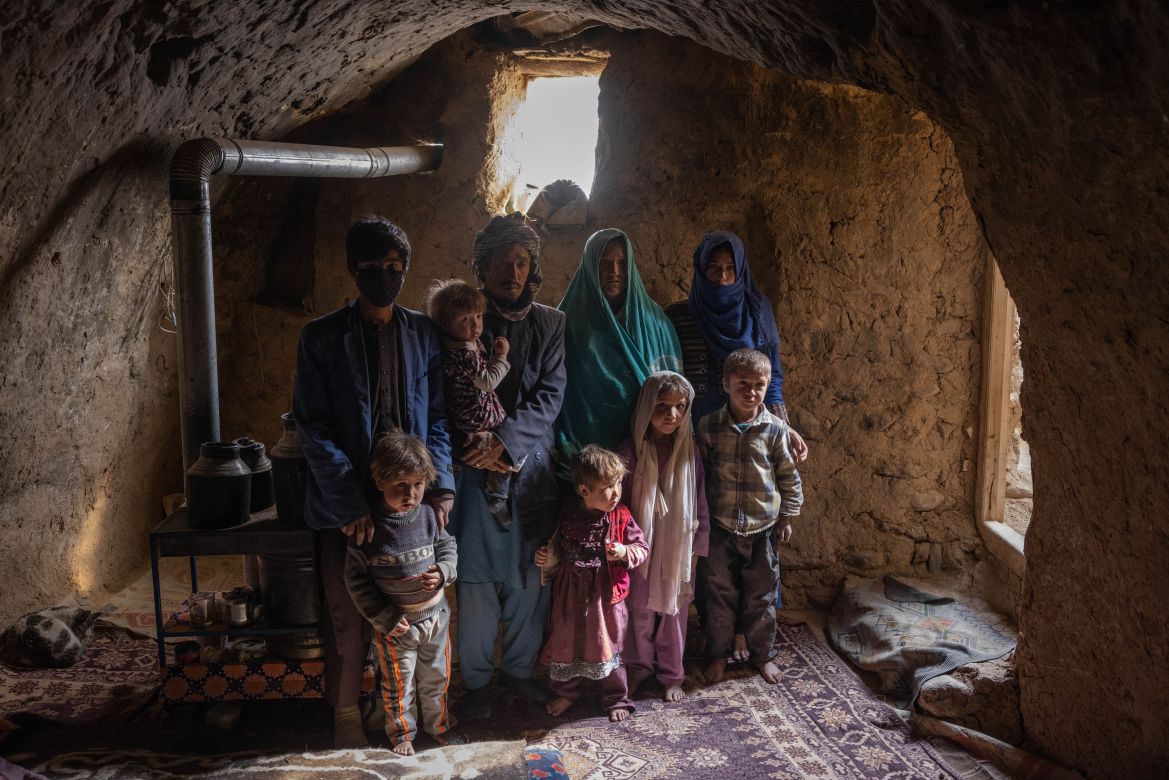
Fatima stands with her daughter in front of her home in a cave in Bamyan. She was displaced two years ago. When she moved back to Bamyan with three of her children, she had no money for rent and moved into a cave. [Julian Busch/UNHCR]
Published On 2 May 20232 May 2023

While the world’s attention has long moved on, the humanitarian crisis in Afghanistan remains one of the largest and most acute anywhere.

A record 28.3 million people – some two-thirds of the population – require humanitarian assistance and protection; six million of those are already perilously close to famine, according to the United Nations. Women and girls are especially vulnerable.

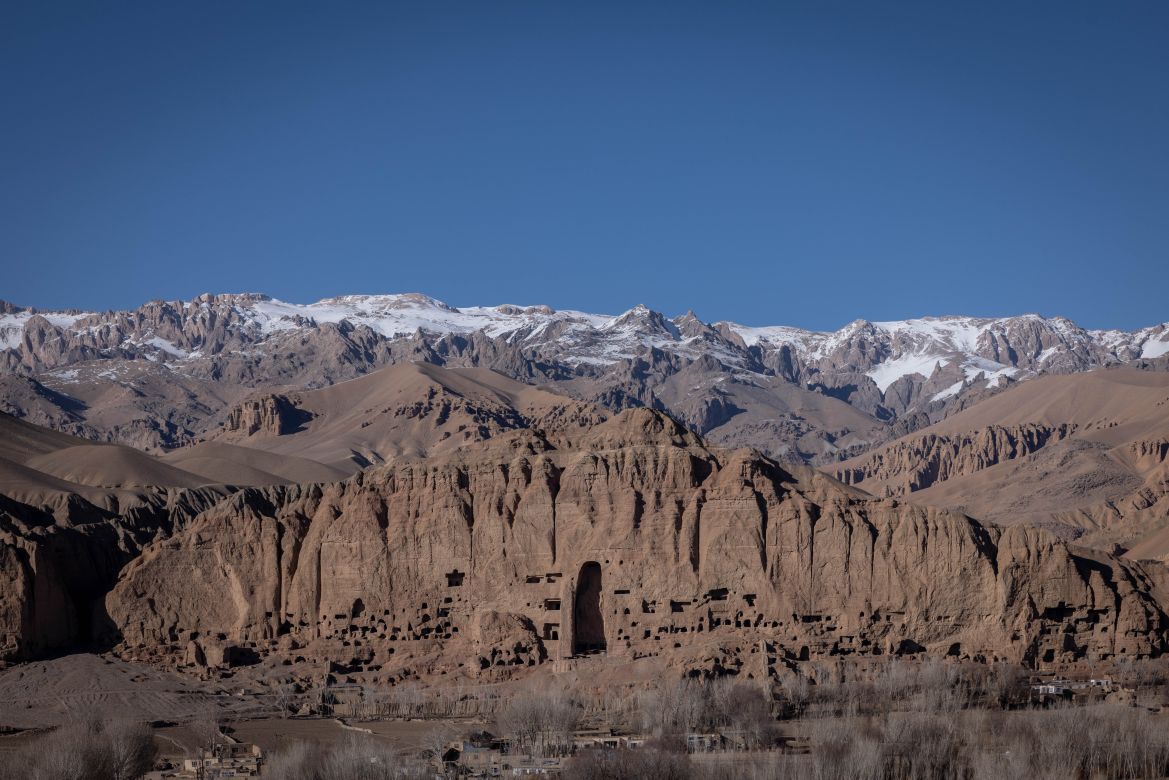
The UN’s refugee agency visited Bamyan, a mountainous region in central Afghanistan. This winter was the coldest in more than a decade, and the brutal weather hit the poorest and most vulnerable particularly hard, including those who recently returned to the area after being displaced by decades of conflict.

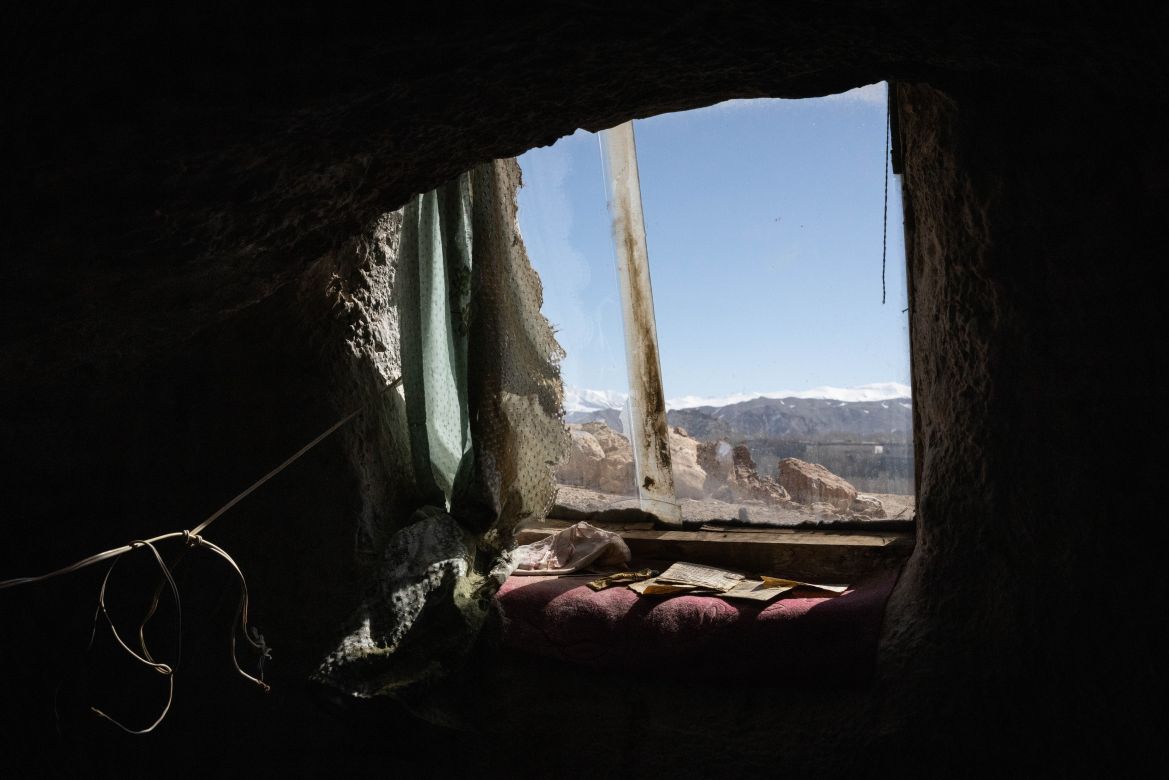
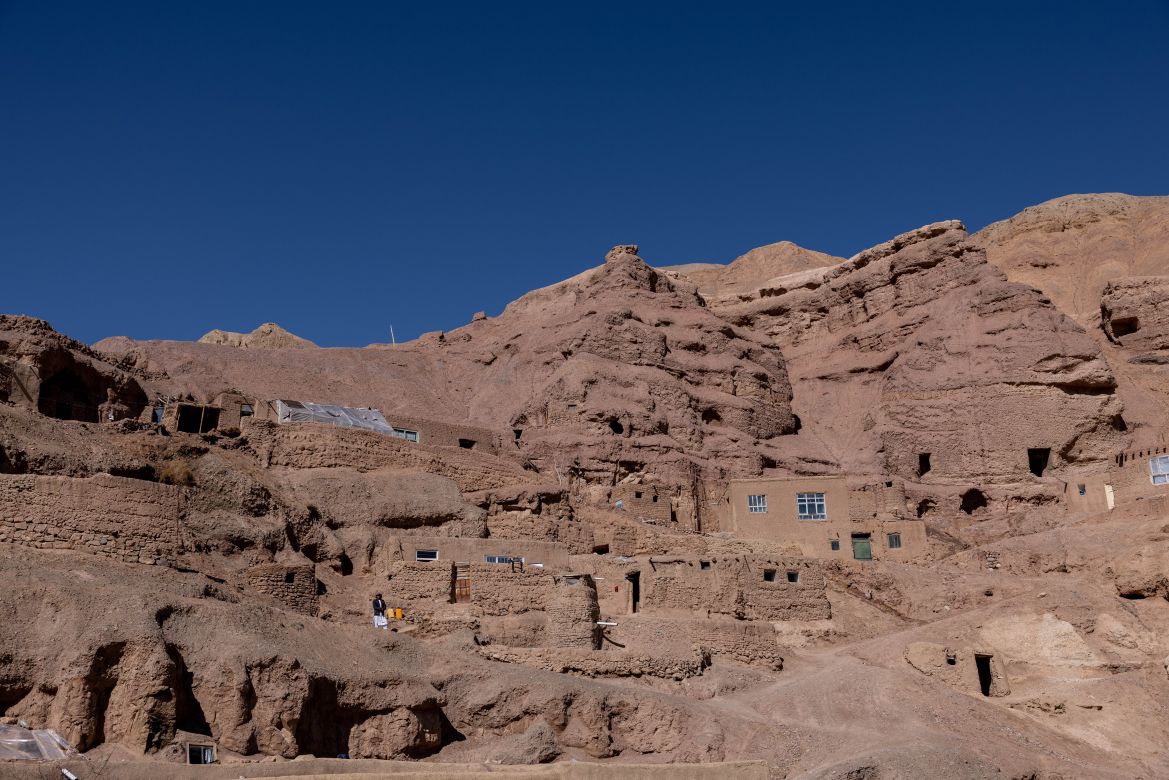
With nowhere else to go, some families are even sheltering in ancient caves. Others have taken out loans or borrowed from neighbours to withstand Afghanistan’s economic freefall, which has sent food prices skyrocketing.

Names in this gallery have been changed for safety reasons

This photo essay was provided by UNHCR
Afghanistan. Winterization in Bamyan province
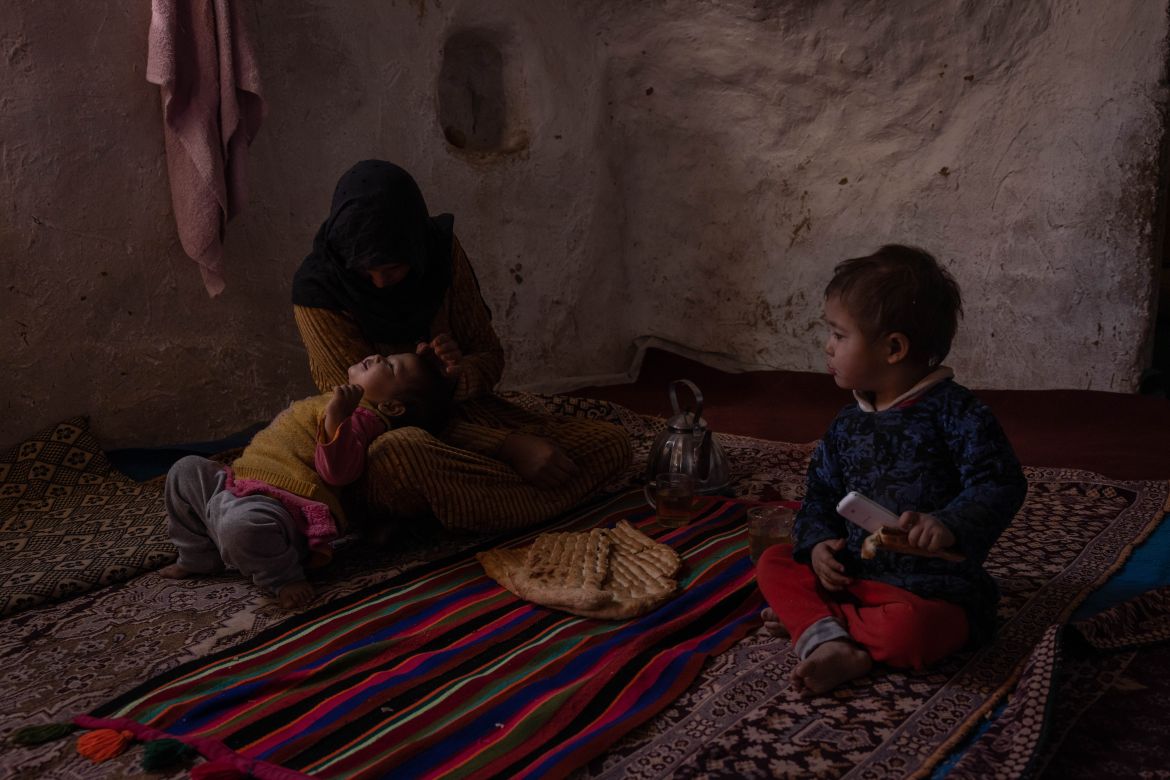
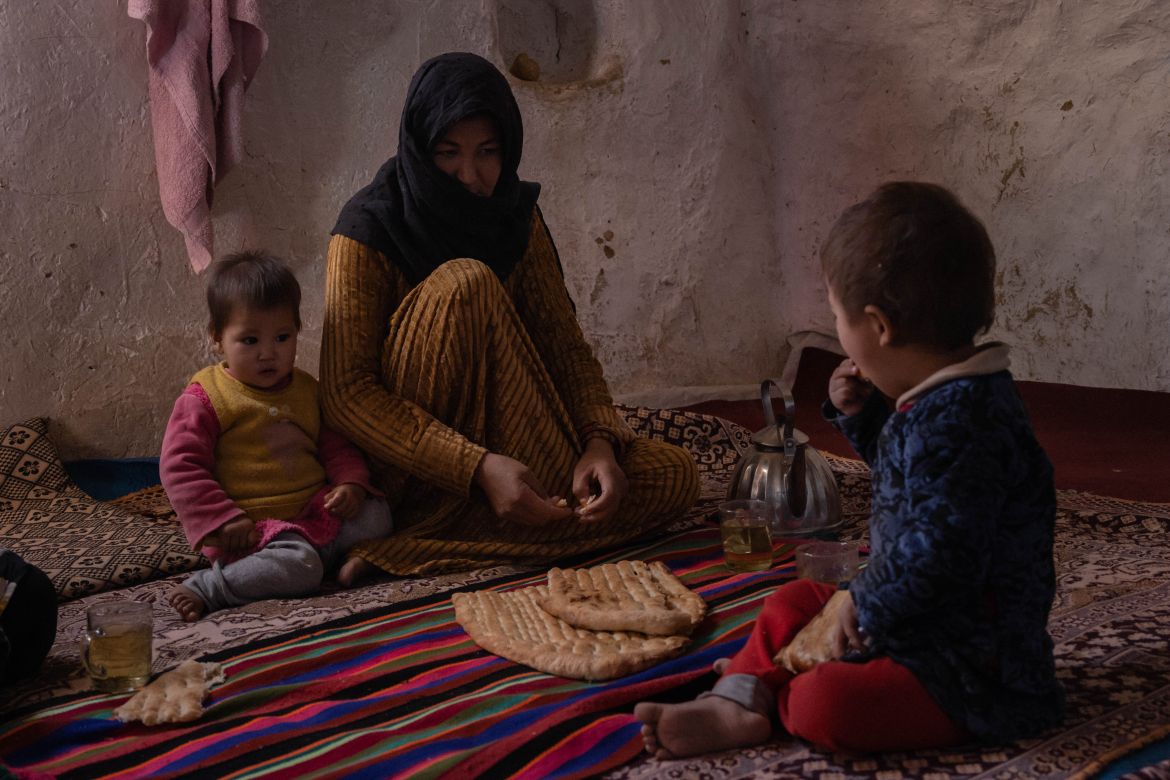
Fatima has lunch with her two older children. Mostly the family eats bread and drinks tea during the day. [Julian Busch/UNHCR]
Advertisement
Afghanistan. Winterization in Bamyan province
Communities throughout Afghanistan have witnessed significant voluntary returns of internally displaced people (IDPs) since early 2021. [Julian Busch/UNHCR]
Afghanistan. Winterization in Bamyan province
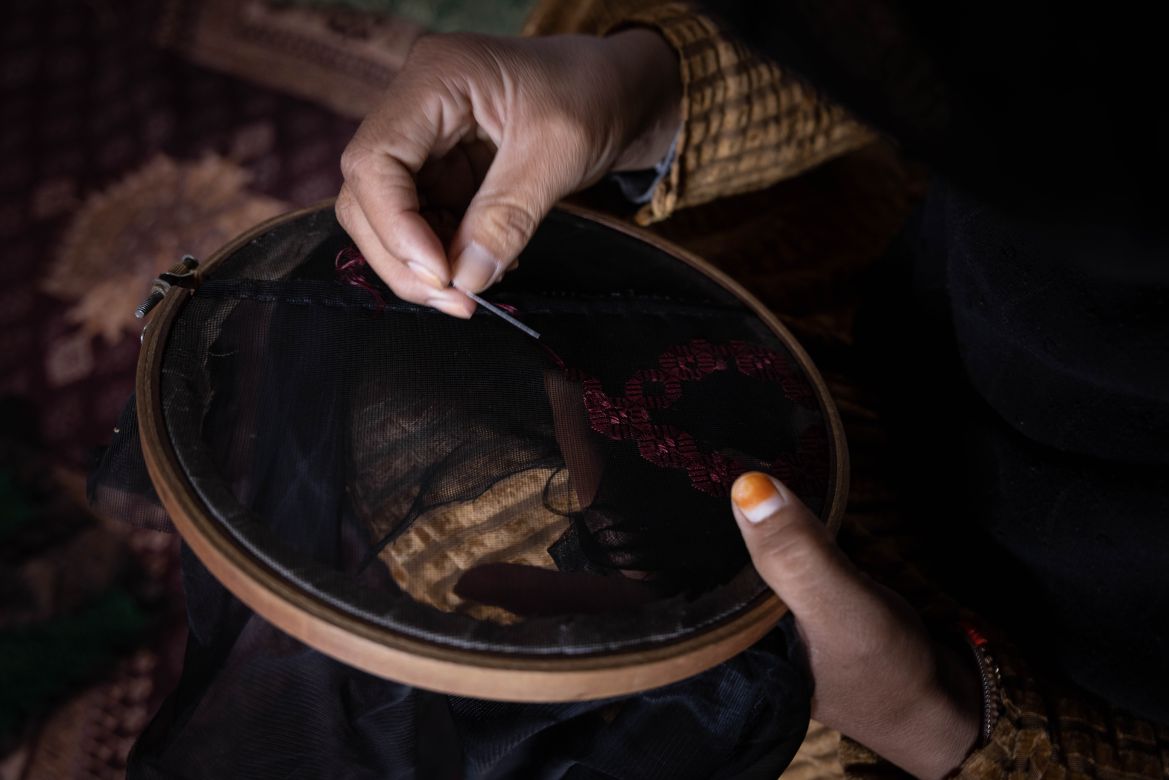
Fatima sews designs for clothes every day for about one hour in her little cave to sell them. [Julian Busch/UNHCR]
Afghanistan. Winterization in Bamyan province
UNHCR’s household-level assessments have found voluntary returns of refugees in 2022 surpassed 6,000, a figure not seen since 2019. [Julian Busch/UNHCR]
Afghanistan. Winterization in Bamyan province
UNHCR says it is working to find solutions for people living precariously in the caves and is attempting to work on on land allocated by the local authorities, where 144 families will be provided homes. [Julian Busch/UNHCR]
Afghanistan. Winterization in Bamyan province
Bamyan province is the highest region in Afghanistan and one of the coldest. But many families are struggling to afford food or fuel to heat their homes. [Julian Busch/UNHCR]
Advertisement
Afghanistan. Winterization in Bamyan province
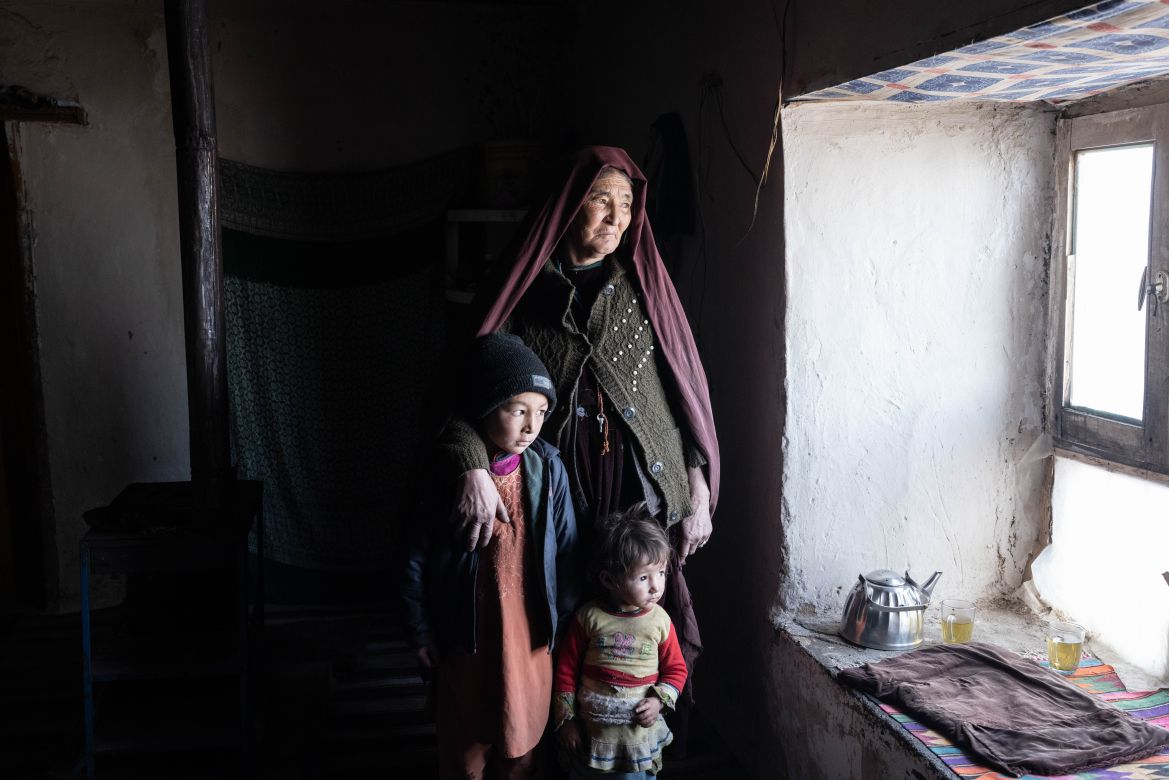
Shaima, 66, with her two grandchildren in her small house in Sabzi, Bamyan province. Together with her son's family and two other relatives, she has been running a small carpet business for many years. But since the fall of the former government, it has become increasingly difficult to sell the rugs. 'No one has money to buy,' she says. [Julian Busch/UNHCR]
Afghanistan. Winterization in Bamyan province
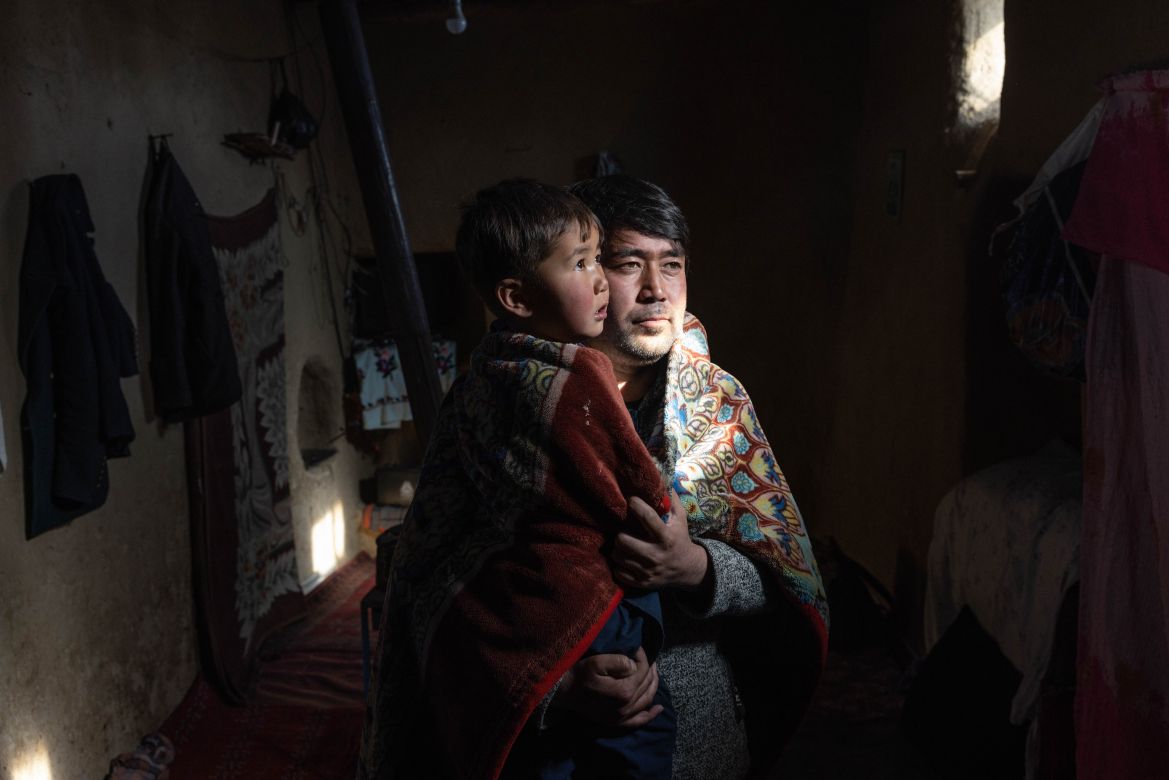
Jawad 27, with his son in their house in Sherbatoo village in Bamyan province. He has four children and works as a farmer to feed the family. But since the Taliban came to power, the family's economic situation has deteriorated, he says. They don't have enough money to buy flour and oil to bake bread. 'We have no hope for the future,' he says. [Julian Busch/UNHCR]
Afghanistan. Winterization in Bamyan province
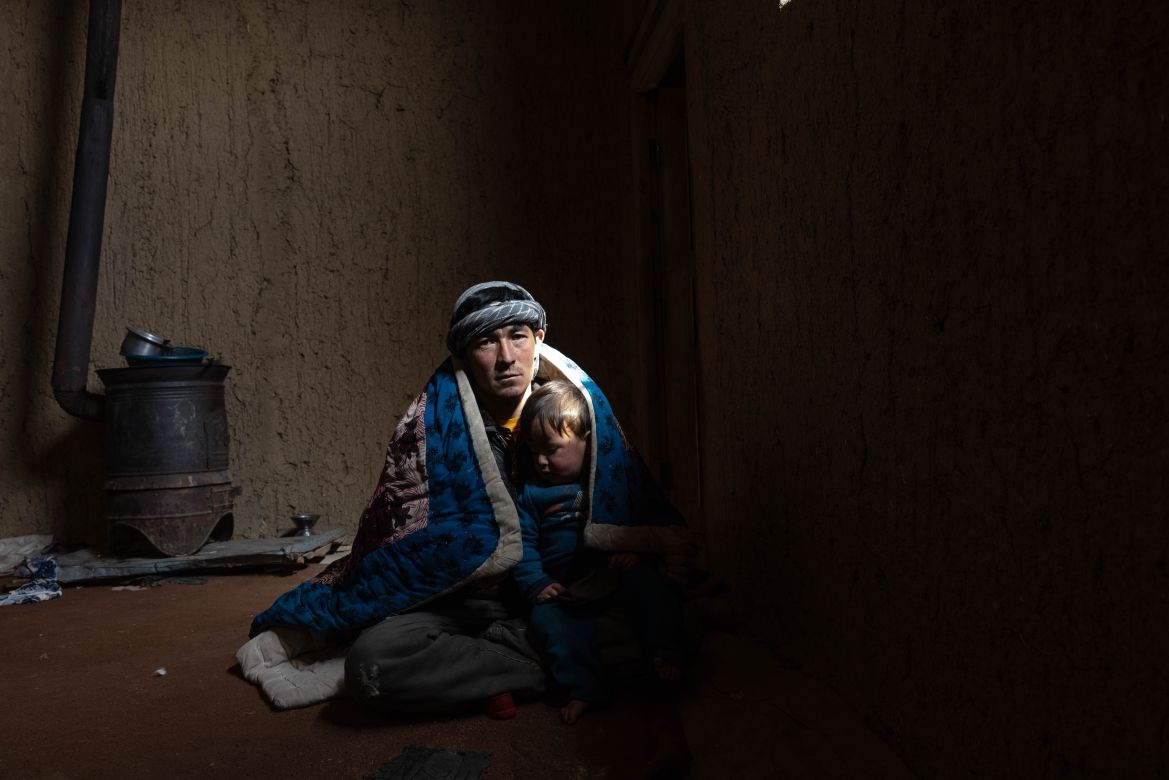
Abdul Jalil and his son Mortaza in their small home in Sabzi, Bamyan province. Two years ago, they were displaced by the war between the then-government forces and the Taliban. Jalil says the winter was difficult for him as his children were constantly sick and he was unable to heat the house. [Julian Busch/UNHCR]
Afghanistan. Winterization in Bamyan province
Nasim and his family in their small cave on the outskirts of Bamyan. Nasim normally works as a construction worker, but he has been unemployed for several months during the winter. The family lacks food and clothing. [Julian Busch/UNHCR]
Afghanistan. Winterization in Bamyan province
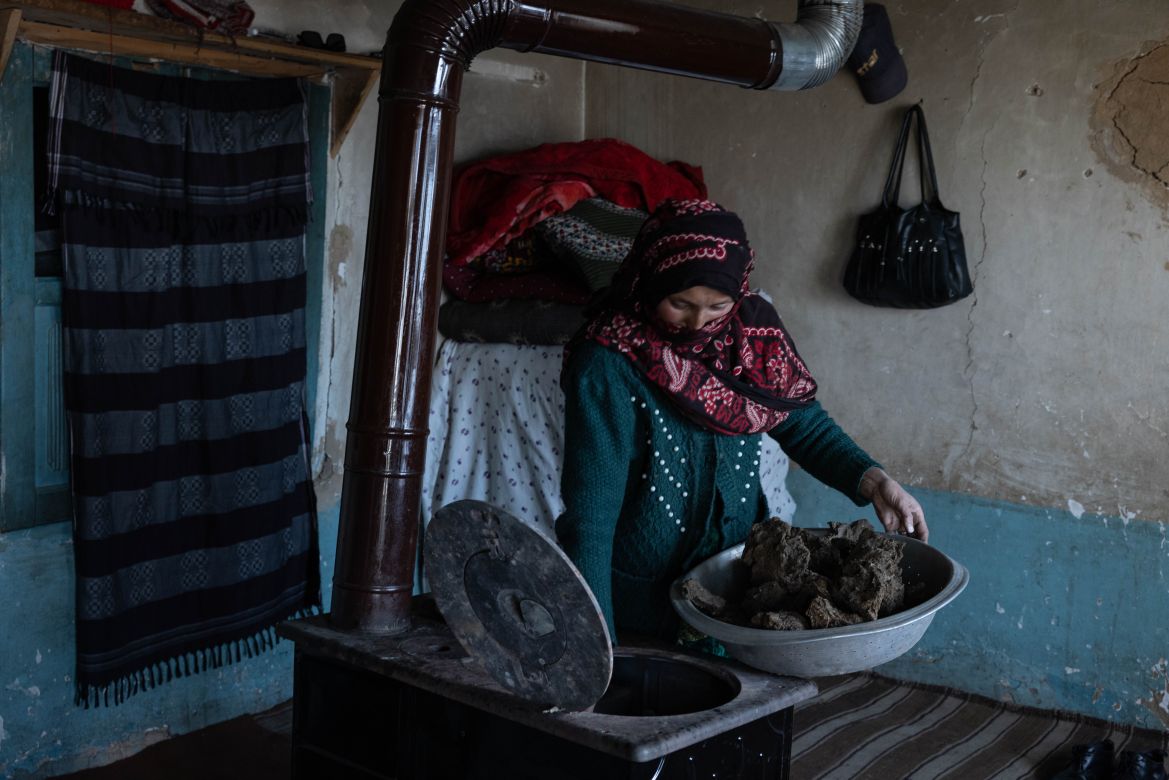
Marwa Faizi, 30, puts wood into the oven in her small home in Sabzi village, Bamyan province. Her husband was killed during the war while serving in the Afghan army. Since then, she has been a single mother, taking care of her four children. [Julian Busch/UNHCR]

Related

  • Hundreds of displaced Afghan families seeking food and shelter

    UN says over 18 million people require aid and half of all children under five suffer acute malnutrition in Afghanistan.

    Published On 27 Aug 202127 Aug 2021
    An Afghan girl holds an umbrella as she sits on a grave at a cemetery in Kabul [File: Reuters]
  • UN readies for more displaced Afghans after foreign troops leave

    UNHCR chief says contingency plans be prepared for more displaced civilians amid fears of renewed violence.

    Published On 15 Jun 202115 Jun 2021
    A US flag is lowered as American and Afghan soldiers attend a handover ceremony from the US Army to the Afghan National Army, at Camp Anthonic in Helmand province, Afghanistan last month [File: Afghan Ministry of Defence Press Office via AP]
  • Displaced Afghans angered by lack of government support

    The Taliban has forced an estimated 10,000 families to flee their homes in the country’s northern province of Kunduz.

    Published On 18 May 201518 May 2015
    Displaced Afghans angered by lack of government support

More from Gallery

  • Photos: War on Iran leaves Jordan’s Petra nearly empty of tourists

    Tourists visit the Treasury in the ruins of the ancient Nabatean city of Petra
    This gallery article has 7 imagescamera7
  • Photos: Aid cuts, drought and conflict leave Somalis desperate

    Aid cuts, drought and conflict leave Somalis desperate
    This gallery article has 7 imagescamera7
  • Amputee football grows in Rwanda, fostering unity and resilience

    Sport transforms lives for Rwanda's amputees, offering hope and unity
    This gallery article has 9 imagescamera9
  • Photos: Colombia tourist jewel plagued by violence

    Aerial view of Playa Blanca beach in Santa Marta, Magdalena department, Colombia
    This gallery article has 8 imagescamera8

Most popular

  • US says expecting peace proposal response from Tehran today

    An Iranian woman walks next to a mural on a street in Tehran, Iran, May 6, 2026. Majid Asgaripour/WANA (West Asia News Agency) via REUTERS ATTENTION EDITORS - THIS PICTURE WAS PROVIDED BY A THIRD PARTY
  • UK elections – early results and takeaways; will Starmer have to resign?

    Election staff count votes.
  • US, Iran clash in Hormuz as war escalates: What happened, why it matters

    Iranian navy fires a missile, at an unknown location, in this still image taken from a video released May 8, 2026. Pool via WANA (West Asia News Agency)/ via REUTERS ATTENTION EDITORS - THIS PICTURE WAS PROVIDED BY A THIRD PARTY. IRAN OUT. NO COMMERCIAL OR EDITORIAL SALES IN IRAN. NO USE BBC PERSIAN. NO USE VOA PERSIAN. NO USE MANOTO. NO USE IRAN INTERNATIONAL. NO USE RADIO FARDA. Verification Lines: Reuters could not verify the date and location of the footage. No older versions were found posted online before May 8. Iran's military said the U.S. targeted two ships entering the Strait of Hormuz and carried out strikes on Iranian territory. The military said it responded by attacking U.S. military vessels east of the Strait of Hormuz and south of the port of Chabahar.
  • What we know about Iran’s response to the latest US ceasefire proposal

    Hormuz

  • About

    • About Us
    • Code of Ethics
    • Terms and Conditions
    • EU/EEA Regulatory Notice
    • Privacy Policy
    • Cookie Policy
    • Cookie Preferences
    • Accessibility Statement
    • Sitemap
    • Work for us
  • Connect

    • Contact Us
    • User Accounts Help
    • Advertise with us
    • Stay Connected
    • Newsletters
    • Channel Finder
    • TV Schedule
    • Podcasts
    • Submit a Tip
    • Paid Partner Content
  • Our Channels

    • Al Jazeera Arabic
    • Al Jazeera English
    • Al Jazeera Investigative Unit
    • Al Jazeera Mubasher
    • Al Jazeera Documentary
    • Al Jazeera Balkans
    • AJ+
  • Our Network

    • Al Jazeera Centre for Studies
    • Al Jazeera Media Institute
    • Learn Arabic
    • Al Jazeera Centre for Public Liberties & Human Rights
    • Al Jazeera Forum
    • Al Jazeera Hotel Partners

Follow Al Jazeera English:

  • facebook
  • twitter
  • youtube
  • instagram-colored-outline
  • rss
Al Jazeera Media Network logo
© 2026 Al Jazeera Media Network